


Overview of Serological Techniques for Influenza Vaccine Evaluation: Past, Present and Future
- PMID: 26344888
- PMCID: PMC4494249
- DOI: 10.3390/vaccines2040707
Overview of Serological Techniques for Influenza Vaccine Evaluation: Past, Present and Future
Abstract
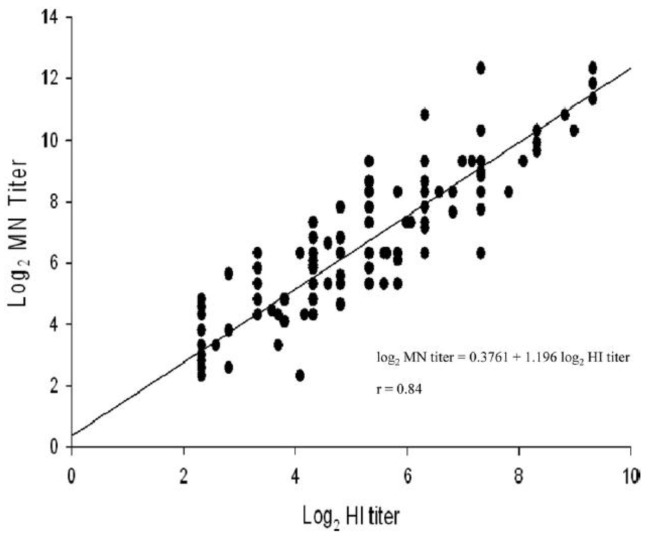
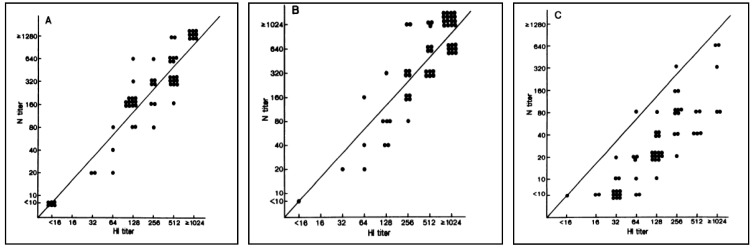
Serological techniques commonly used to quantify influenza-specific antibodies include the Haemagglutination Inhibition (HI), Single Radial Haemolysis (SRH) and Virus Neutralization (VN) assays. HI and SRH are established and reproducible techniques, whereas VN is more demanding. Every new influenza vaccine needs to fulfil the strict criteria issued by the European Medicines Agency (EMA) in order to be licensed. These criteria currently apply exclusively to SRH and HI assays and refer to two different target groups-healthy adults and the elderly, but other vaccine recipient age groups have not been considered (i.e., children). The purpose of this timely review is to highlight the current scenario on correlates of protection concerning influenza vaccines and underline the need to revise the criteria and assays currently in use. In addition to SRH and HI assays, the technical advantages provided by other techniques such as the VN assay, pseudotype-based neutralization assay, neuraminidase and cell-mediated immunity assays need to be considered and regulated via EMA criteria, considering the many significant advantages that they could offer for the development of effective vaccines.
Keywords: EMA criteria; antibody titres; correlates of protection.
Figures


References
-
- Centers for Disease Control and Prevention (CDC) Prevention and control of Influenza. Recommendations of the Advisory Committee on Immunization Practices (ACIP) [(accessed on 04 November 2013)]; Available online: http://www.cdc.gov/mmwr/preview/mmwrhtml/rr5208a1.htm. - PubMed
Publication types
LinkOut - more resources
Full Text Sources
Other Literature Sources
Research Materials
Miscellaneous
