


Pexophagy and peroxisomal protein turnover in plants
- PMID: 26348128
- PMCID: PMC4779433
- DOI: 10.1016/j.bbamcr.2015.09.005
Pexophagy and peroxisomal protein turnover in plants
Abstract
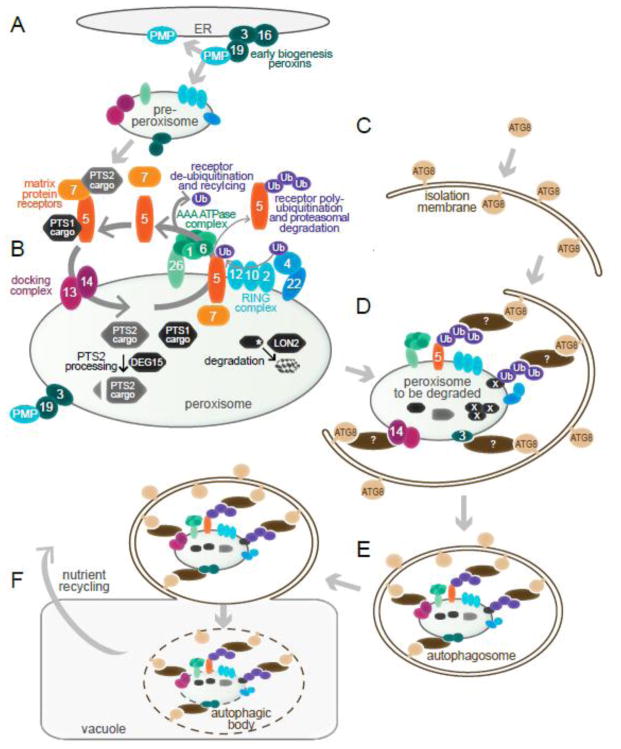
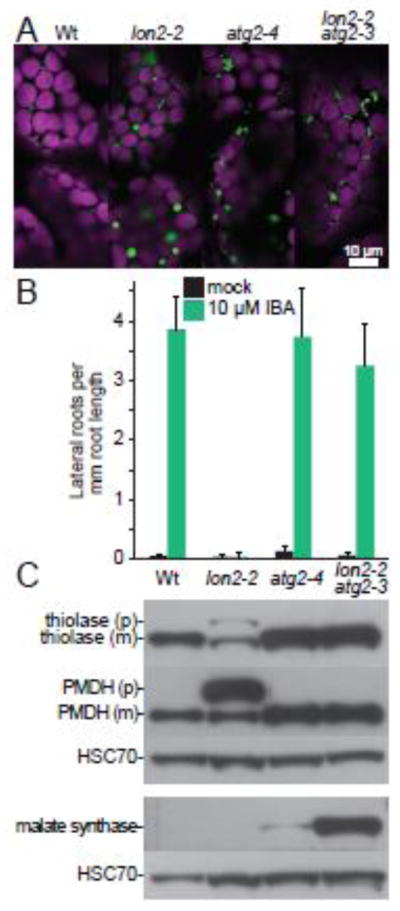
Peroxisomes are dynamic, vital organelles that sequester a variety of oxidative reactions and their toxic byproducts from the remainder of the cell. The oxidative nature of peroxisomal metabolism predisposes the organelle to self-inflicted damage, highlighting the need for a mechanism to dispose of damaged peroxisomes. In addition, the metabolic requirements of plant peroxisomes change during development, and obsolete peroxisomal proteins are degraded. Although pexophagy, the selective autophagy of peroxisomes, is an obvious mechanism for executing such degradation, pexophagy has only recently been described in plants. Several recent studies in the reference plant Arabidopsis thaliana implicate pexophagy in the turnover of peroxisomal proteins, both for quality control and during functional transitions of peroxisomal content. In this review, we describe our current understanding of the occurrence, roles, and mechanisms of pexophagy in plants.
Keywords: Autophagy; LON protease; Organelle quality control; Peroxisome; Pexophagy; Protein degradation.
Copyright © 2015 Elsevier B.V. All rights reserved.
Figures
References
-
- Graham IA. Seed storage oil mobilization. Annu Rev Plant Biol. 2008;59:115–142. - PubMed
-
- Bartel B, Burkhart S, Fleming W. Protein transport in and out of plant peroxisomes. In: Brocard C, Hartig A, editors. Molecular Machines Involved in Peroxisome Biogenesis and Maintenance. Springer; Vienna: 2014. pp. 325–345.
-
- Cross LL, Ebeed HT, Baker A. Peroxisome biogenesis, protein targeting mechanisms and PEX gene functions in plants. BBA - Molecular Cell Research. 2015 this issue. - PubMed
Publication types
MeSH terms
Substances
Grants and funding
LinkOut - more resources
Full Text Sources
Other Literature Sources
