. 2015 Nov 1;593(21):4747-64.
doi: 10.1113/JP271006. Epub 2015 Oct 7.

Perivascular tissue inhibits rho-kinase-dependent smooth muscle Ca(2+) sensitivity and endothelium-dependent H2 S signalling in rat coronary arteries

Affiliations

Perivascular tissue inhibits rho-kinase-dependent smooth muscle Ca(2+) sensitivity and endothelium-dependent H2 S signalling in rat coronary arteries

Filip Aalbaek et al. J Physiol. .

Abstract

Interactions between perivascular tissue (PVT) and the vascular wall modify artery tone and contribute to local blood flow regulation. Using isometric myography, fluorescence microscopy, membrane potential recordings and phosphospecific immunoblotting, we investigated the cellular mechanisms by which PVT affects constriction and relaxation of rat coronary septal arteries. PVT inhibited vasoconstriction to thromboxane, serotonin and α1 -adrenergic stimulation but not to depolarization with elevated extracellular [K(+) ]. When PVT was wrapped around isolated arteries or placed at the bottom of the myograph chamber, a smaller yet significant inhibition of vasoconstriction was observed. Resting membrane potential, depolarization to serotonin or thromboxane stimulation, and resting and serotonin-stimulated vascular smooth muscle [Ca(2+) ]-levels were unaffected by PVT. Serotonin-induced vasoconstriction was almost abolished by rho-kinase inhibitor Y-27632 and modestly reduced by protein kinase C inhibitor bisindolylmaleimide X. PVT reduced phosphorylation of myosin phosphatase targeting subunit (MYPT) at Thr850 by ∼40% in serotonin-stimulated arteries but had no effect on MYPT-phosphorylation in arteries depolarized with elevated extracellular [K(+) ]. The net anti-contractile effect of PVT was accentuated after endothelial denudation. PVT also impaired vasorelaxation and endothelial Ca(2+) responses to cholinergic stimulation. Methacholine-induced vasorelaxation was mediated by NO and H2 S, and particularly the H2 S-dependent (dl-propargylglycine- and XE991-sensitive) component was attenuated by PVT. Vasorelaxation to NO- and H2 S-donors was maintained in arteries with PVT. In conclusion, cardiomyocyte-rich PVT surrounding coronary arteries releases diffusible factors that reduce rho-kinase-dependent smooth muscle Ca(2+) sensitivity and endothelial Ca(2+) responses. These mechanisms inhibit agonist-induced vasoconstriction and endothelium-dependent vasorelaxation and suggest new signalling pathways for metabolic regulation of blood flow.


Figures

Figure 1
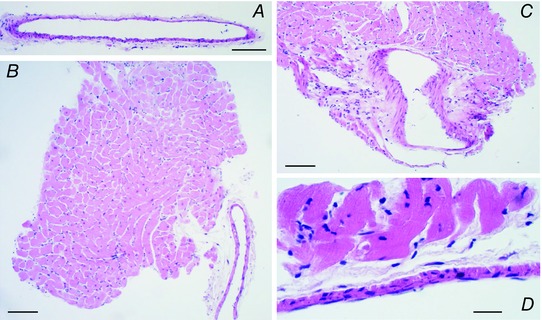
Figure 1. Coronary septal arteries are surrounded by myocardial tissue separated only by a thin layer of perivascular connective tissue
Low magnification micrographs of hematoxylin and eosin stained coronary septal arteries without PVT (A), with PVT around half of the circumference (B) and with PVT around the whole circumference (C). Scale bars in (A), (B) and (C) represent 100 μm. D,higher magnification micrograph of a haematoxylin and eosin stained coronary septal artery showing the close proximity between the arterial wall and the myocardial tissue separated only by a thin layer of connective tissue. Scale bar in (D) represents 20 μm.
Figure 2
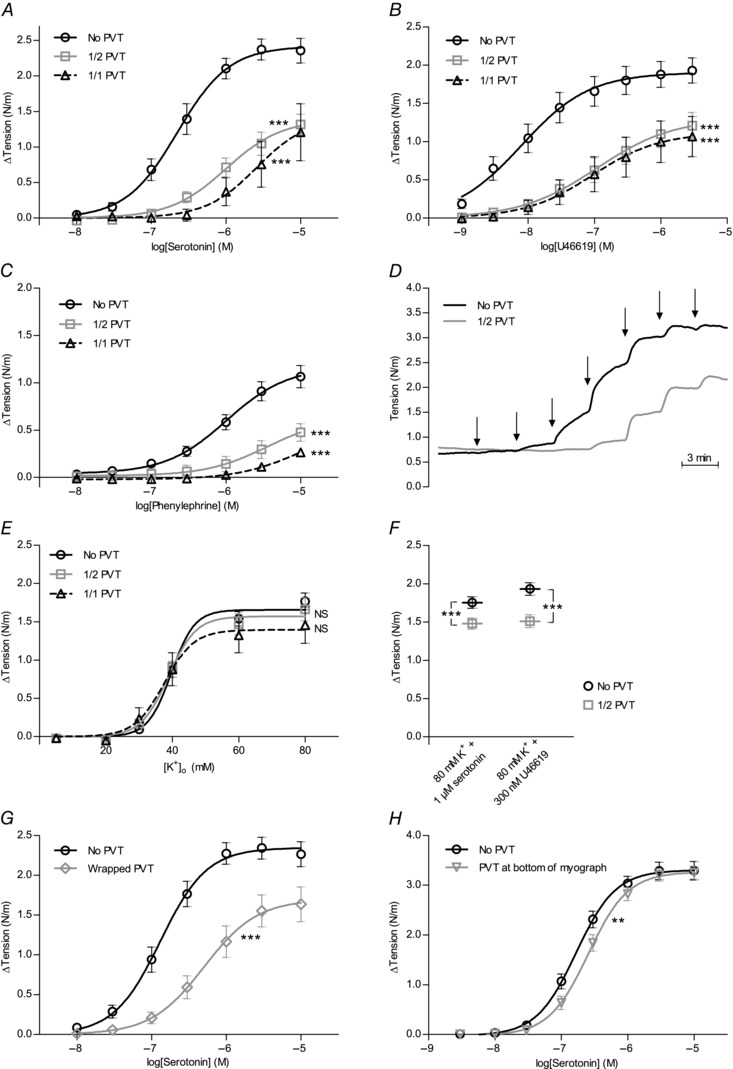
Figure 2. The presence of PVT inhibits active tone development in coronary septal arteries
Average vasocontractile responses to serotonin (A) (n = 4–15), thromboxane analogue U46619 (B) (n = 6–17) and α1‐adrenergic agonist phenylephrine (C) (n = 4–10) were attenuated by the presence of PVT, whether left around the whole (1/1 PVT) or half (1/2 PVT) of the arterial circumference. Resting tension prior to the addition of agonist: (A) 0.62 ± 0.05 N/m (No PVT), 0.67 ± 0.05 N/m (1/2 PVT) and 0.78 ± 0.22 N/m (1/1 PVT); (B) 0.49 ± 0.04 N/m (No PVT), 0.43 ± 0.05 N/m (1/2 PVT) and 0.40 ± 0.10 N/m (1/1 PVT); and (C) 0.48 ± 0.04 N/m (No PVT), 0.42 ± 0.06 N/m (1/2 PVT) and 0.35 ± 0.05 N/m (1/1 PVT). Active tension developed in response to 80 mm K+ combined with 1 μm serotonin or 300 nm U46619 for the arteries: (A) 1.95 ± 0.21 N/m (No PVT) and 1.36 ± 0.17 N/m (1/2 PVT); (B) 1.54 ± 0.14 N/m (No PVT) and 1.40 ± 0.13 N/m (1/2 PVT); and (C) 1.45 ± 0.21 N/m (No PVT) and 1.40 ± 0.17 N/m (1/2 PVT). Summarized values for all arteries tested are provided in (F). D,original traces of contractile responses to cumulative application of serotonin. At each arrow, the concentration of serotonin was increased by a half‐log step (between 10 nm and 10 μm). E,average vasocontractile responses to depolarization induced by elevated extracellular [K+] were not affected by the presence of PVT (n = 6–14). Resting tension at 4 mm extracellular K+ was 0.47 ± 0.04 N/m (No PVT), 0.38 ± 0.06 N/m (1/2 PVT) and 0.35 ± 0.08 N/m (1/1 PVT). F,tension development to 80 mm extracellular K+ combined with 1 μm serotonin (n = 68) or 300 nm U46619 (n = 42) was moderately reduced by the presence of PVT. For arteries stimulated by 80 mm K+ and 1 μm serotonin, resting tension was 0.73 ± 0.03 N/m (No PVT) and 0.88 ± 0.04 N/m (1/2 PVT). For arteries stimulated with 80 mm K+ and 300 nm U46619, resting tension was 0.65 ± 0.02 N/m (No PVT) and 0.74 ± 0.03 N/m (1/2 PVT). G and H, reduced sensitivity to serotonin with respect to force production was also observed when loose PVT was wrapped around arteries (G) (n = 14) or placed at the bottom of the myograph chamber (H) (n = 4 rats). From each rat, two artery segments were tested both with and without PVT in the chamber and the order of the experiment was alternated to eliminate any potential effects of time. Resting tension prior to the addition of agonist: (G) 0.63 ± 0.03 N/m (No PVT) and 0.68 ± 0.04 N/m (Wrapped PVT) and (H) 0.63 ± 0.07 N/m (No PVT) and 0.54 ± 0.12 N/m (PVT at bottom). The data in (A, B, C, E, G and H) were fitted to sigmoidal curve fits and compared using extra sum‐of‐squares F tests. The data in (F) were compared using a paired two‐tailed Student's t test. **P < 0.01, ***P < 0.001. NS, not significantly different vs. arteries without PVT.
Figure 3
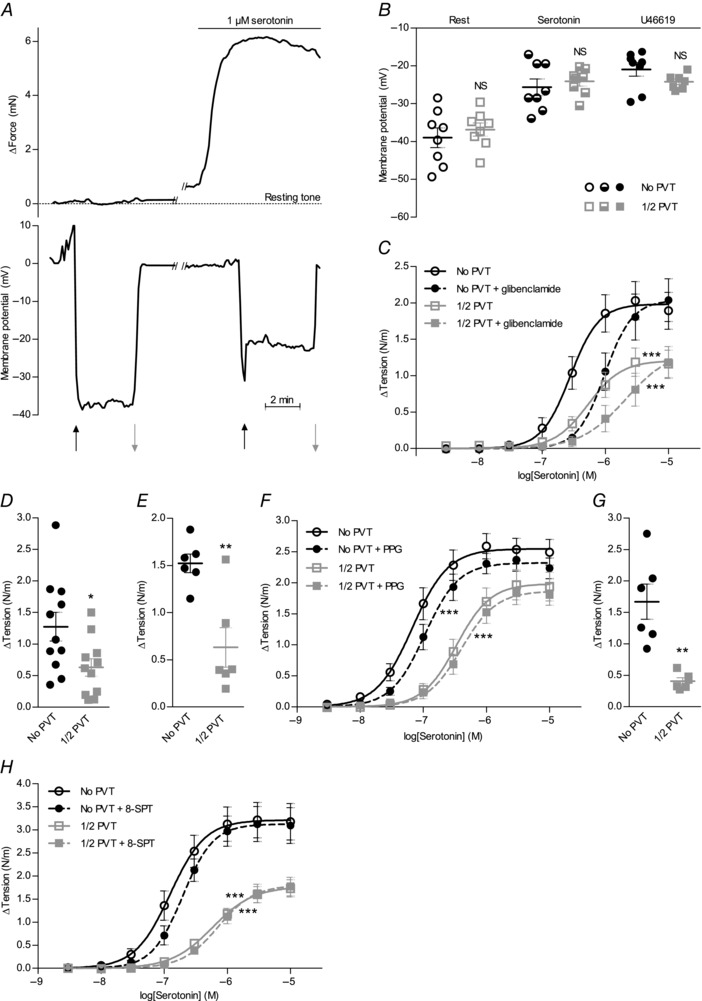
Figure 3. The VSMC membrane potential is unaffected by PVT, and the anti‐contractile effect of PVT persists after inhibition of K+ channels, H2S and NO synthesis and adenosine receptors
A,original traces of matched VSMC membrane potential and arterial force development during serotonin stimulation. B,VSMC membrane potentials at rest and during stimulation with 1 μm serotonin or 1 μm U46619 did not differ between coronary septal arteries with and without PVT (n = 7–8). C,the anti‐contractile effect of PVT around coronary septal arteries (n = 8) persists in the presence of 10 μm KATP channel inhibitor glibenclamide. Resting tension prior to the addition of serotonin was 0.80 ± 0.09 N/m (No PVT) and 0.72 ± 0.09 N/m (1/2 PVT) in the presence of glibenclamide compared to 0.81 ± 0.09 N/m (No PVT) and 0.84 ± 0.10 N/m (1/2 PVT) without glibenclamide. D and E,the increase in basal arterial tension following the addition of 10 μm Kv7 channel inhibitor XE991 (D) (n = 11) or 1 μm BK channel inhibitor paxillin (E) (n = 6) was reduced in arteries with PVT compared to arteries without PVT. No further basal tone development was seen if the concentration of paxillin was increased to 10 μm (data not shown). Resting tension was 0.60 ± 0.04 N/m (No PVT) and 0.61 ± 0.07 N/m (1/2 PVT) prior to the addition of XE991, and 0.57 ± 0.06 N/m (No PVT) and 0.74 ± 0.04 N/m (1/2 PVT) prior to addition of paxillin. F,the vasocontractile responses to serotonin were unaffected by 10 mm CSE inhibitor PPG in coronary septal arteries with and without PVT (n = 8). The slight rightward shifts of the concentration–response curves were similar to effects observed in time control experiments without addition of drug. Resting tension prior to the addition of serotonin was 0.81 ± 0.12 N/m (No PVT) and 0.61 ± 0.04 N/m (1/2 PVT) in the presence of PPG compared to 0.67 ± 0.04 N/m (No PVT) and 0.64 ± 0.04 N/m (1/2 PVT) without PPG. G,the increase in basal arterial tension following the addition of 100 μM NO‐synthase inhibitor l‐NAME was reduced in arteries with PVT compared to arteries without PVT (n = 6). Resting tension prior to addition of l‐NAME was 0.74 ± 0.11 N/m (No PVT) and 0.73 ± 0.08 N/m (1/2 PVT). H,vasocontractile responses to serotonin were unaffected by 100 μm adenosine receptor antagonist 8‐SPT in coronary septal arteries with and without PVT (n = 5). Resting tension prior to the addition of serotonin was 0.62 ± 0.02 N/m (No PVT) and 0.36 ± 0.03 N/m (1/2 PVT) in the presence of 8‐SPT compared to 0.65 ± 0.03 N/m (No PVT) and 0.53 ± 0.02 N/m (1/2 PVT) without 8‐SPT. The data were compared by a paired two‐tailed Student's t test (B, D, E and G) or fitted to sigmoidal curve fits and compared using extra sum‐of‐squares F tests (C, F and H). **P < 0.01, ***P < 0.001. NS, not significantly different vs. arteries without PVT.
Figure 4
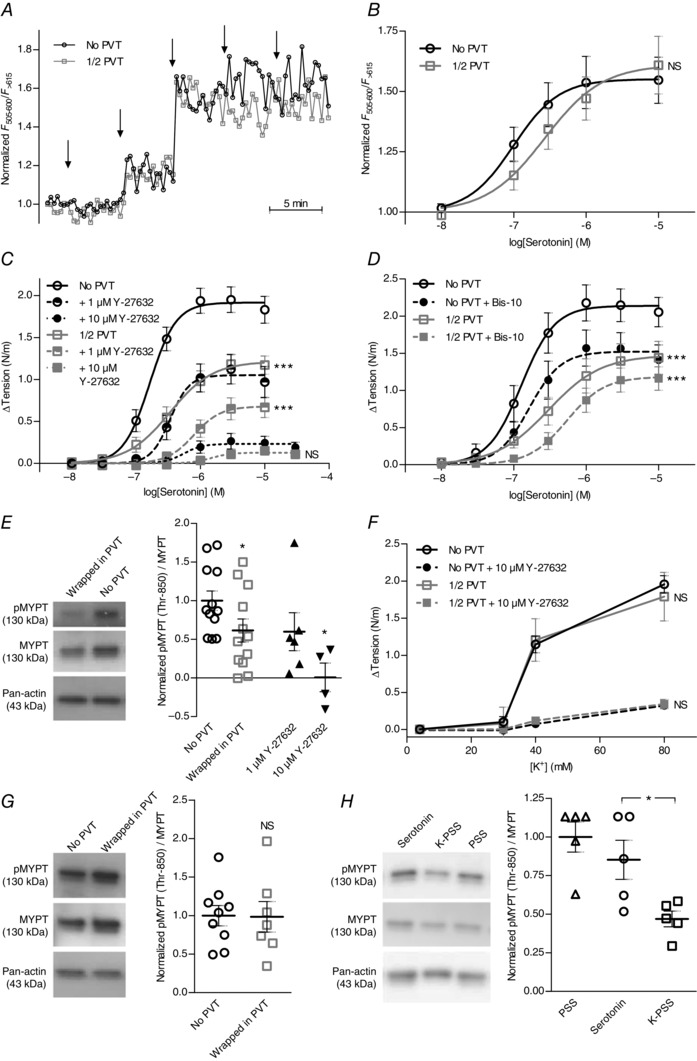
Figure 4. Coronary septal arteries with PVT show reduced rho‐kinase‐dependent VSMC Ca2+ sensitivity
A,original traces of the relative changes in Ca2+‐dependent fluorescence in VSMCs of arteries with and without PVT during cumulative addition of serotonin. At the arrows, the concentration of serotonin was increased stepwise to 10 nm, 100 nm, 300 nm, 1 μm and 10 μm, respectively. B,average VSMC Ca2+ responses to serotonin were not significantly affected by PVT (n = 7). C,vasoconstriction to serotonin was concentration‐dependently abolished by rho‐kinase inhibitor Y‐27632 (n = 7–8) in arteries with and without PVT (P < 0.001). Resting tension prior to addition of serotonin was 0.64 ± 0.05 N/m (No PVT) and 0.68 ± 0.07 N/m (1/2 PVT) without Y‐27632, 0.60 ± 0.06 N/m (No PVT) and 0.47 ± 0.05 N/m (1/2 PVT) with 1 μm Y‐27632 and 0.58 ± 0.05 N/m (No PVT) and 0.49 ± 0.06 N/m (1/2 PVT) with 10 μm Y‐27632. D,vasoconstriction to serotonin was partly inhibited by 1 μm PKC‐inhibitor Bis‐10 (No PVT: P < 0.001, 1/2 PVT: P < 0.01) but the relative difference between arteries with and without PVT persisted following PKC inhibition (n = 8). Resting tension prior to addition of serotonin was 0.60 ± 0.03 N/m (No PVT) and 0.49 ± 0.03 N/m (1/2 PVT) in the presence of Bis‐10 compared to 0.65 ± 0.03 N/m (No PVT) and 0.66 ± 0.03 N/m (1/2 PVT) without Bis‐10. E,representative immunoblots and average relative levels of MYPT phosphorylation at Thr850 in arteries stimulated with a concentration of serotonin giving half‐maximal tension development in arteries without PVT (n = 12). The level of MYPT phosphorylation was reduced by ∼40% in arteries wrapped in PVT (n = 12) and concentration‐dependently abolished by Y‐27632 (n = 4–6). Levels of phosphorylation are expressed relative to serotonin‐stimulated arteries without PVT. F,vasocontractile responses to depolarization induced by elevated extracellular [K+] were unaffected by PVT but strongly attenuated by 10 μm rho‐kinase inhibitor Y‐27632 (n = 4). Resting tension at 4 mm extracellular K+ was 0.47 ± 0.06 N/m (No PVT) and 0.47 ± 0.05 N/m (1/2 PVT) in the presence of Y‐27632 compared to 0.54 ± 0.05 N/m (No PVT) and 0.77 ± 0.05 N/m (1/2 PVT) without Y‐27632. G,representative immunoblots and relative levels of MYPT phosphorylation at Thr850 in arteries stimulated with 40 mm extracellular K+ (n = 7–9). Phosphorylation was not significantly different between arteries without PVT and arteries wrapped in PVT. Levels of phosphorylation are expressed relative to arteries without PVT stimulated with K‐PSS. H,representative immunoblots and relative levels of MYPT phosphorylation at Thr850 in arteries without PVT (n = 5) under basal conditions (PSS), during stimulation with 1 μm serotonin and after activation with 40 mm extracellular K+ (K‐PSS). MYPT phosphorylation was high under resting conditions and serotonin stimulation but decreased markedly upon K+‐induced activation. Levels of phosphorylation are expressed relative to resting arteries without PVT. Data were compared by paired or unpaired two‐tailed Student's t tests (E and G), repeated measures one‐way ANOVA followed by Bonferroni post hoc tests (H) or fitted to sigmoidal curve fits and compared using extra sum‐of‐squares F tests (B, C, D and F). *P < 0.05, ***P < 0.001. NS, not significantly different vs. arteries without PVT under the same experimental conditions or as indicated.
Figure 5
Figure 5. Endothelial denudation accentuates the net anti‐contractile effect of PVT
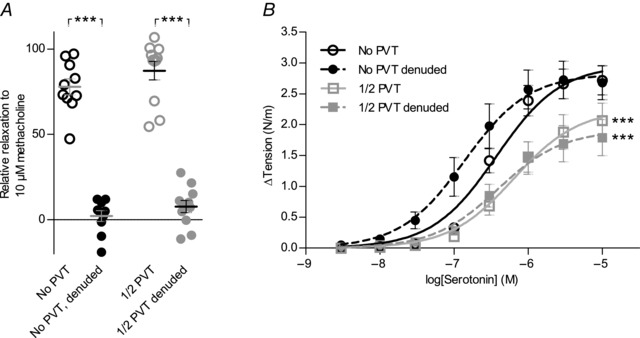
A,vasorelaxant responses to 10 μm methacholine before and after endothelial denudation (n = 10–11). The data were compared by a paired two‐tailed Student's t test. B,the net anti‐contractile effect of PVT was increased after endothelial denudation of coronary septal arteries (n = 10–11). Resting tension prior to addition of serotonin was 0.76 ± 0.09 N/m (No PVT) and 0.67 ± 0.08 N/m (1/2 PVT) in endothelium‐denuded arteries compared to 0.67 ± 0.06 N/m (No PVT) and 0.64 ± 0.06 N/m (1/2 PVT) in control arteries. The data were fitted to sigmoidal curve fits and compared using extra sum‐of‐squares F tests.
Figure 6
Figure 6. Vasorelaxation to cholinergic stimulation is attenuated in arteries with PVT due to abolished H2S production
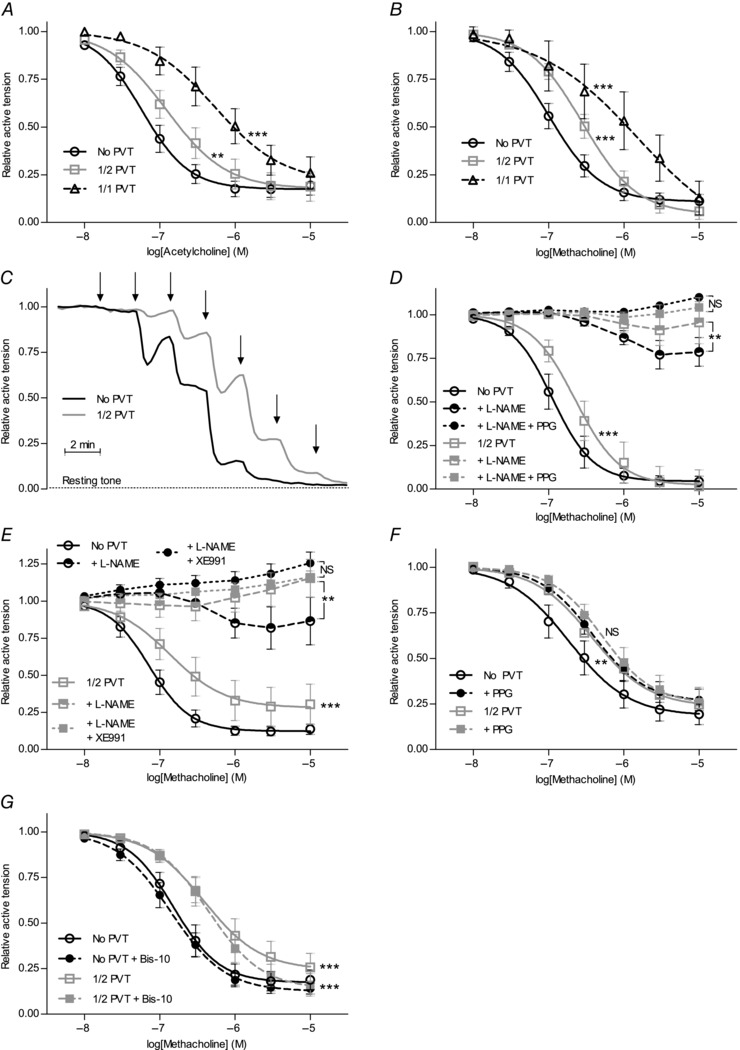
Vasorelaxant responses to ACh (A) (n = 6–13) and methacholine (B) (n = 5–17) were attenuated in U46619‐preconstricted arteries with PVT around the whole (1/1) or half (1/2) of the arterial circumference compared to arteries without PVT. C,original traces of vasorelaxant responses to cumulative application of methacholine in U46619‐preconstricted coronary septal arteries with and without PVT. At each arrow, the concentration of methacholine was increased by a half‐log step (between 10 nm and 10 μm). D and E,in the presence of 100 μm NO‐synthase inhibitor l‐NAME, the vasorelaxant response to methacholine was still significantly smaller in U46619‐preconstricted arteries with PVT compared to arteries without PVT. The l‐NAME‐insensitive vasorelaxant response to methacholine was sensitive to 10 mm CSE inhibitor PPG (D) (n = 6–8) and 10 μm Kv7 channel inhibitor XE991 (E) (n = 7–8). F,incubation with 10 mm CSE inhibitor PPG alone significantly attenuated the difference in vasorelaxation to methacholine stimulation between arteries with and without PVT (n = 14). G,vasorelaxation to methacholine in the presence of 1 μm PKC inhibitor Bis‐10 was persistently reduced in U46619‐preconstricted arteries with PVT compared to arteries without PVT (n = 8). Data were fitted to sigmoidal curve fits and compared using extra sum‐of‐squares F tests. Effects of pharmacological inhibitors on the methacholine responses were evaluated by comparing areas under the curves. **P < 0.01, ***P < 0.001. NS, not significantly different vs. arteries without PVT under the same conditions.
Figure 7
Figure 7. Vasorelaxation to NO‐ and H2S‐donors are unaffected by PVT
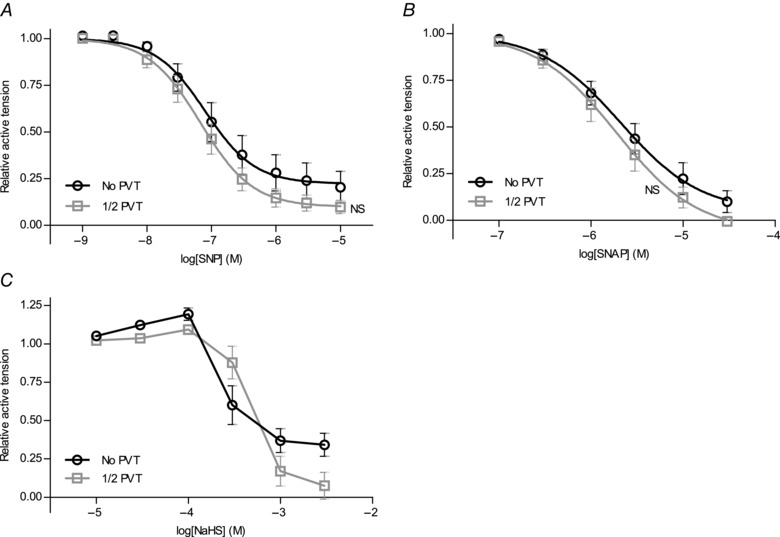
Vasomotor responses of preconstricted arteries with or without PVT to cumulative application of the NO‐donors SNP (A) (n = 6–13) or SNAP (B) (n = 7–11) or the H2S‐donor NaHS (C) (n = 12). Data were fitted to sigmoidal curve fits and compared using extra sum‐of‐squares F tests. NS, not significantly different vs. arteries without PVT.
Figure 8
Figure 8. Vasorelaxation to cholinergic stimulation is reduced in arteries with PVT because of lower endothelial Ca2+ responses
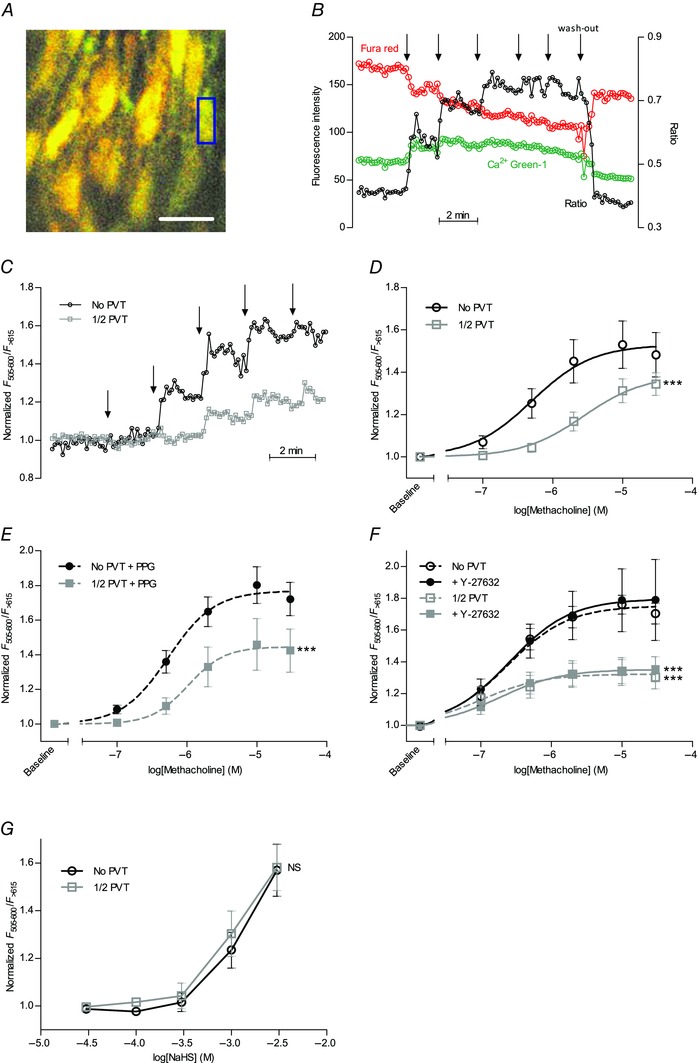
A,image of ECs in an isolated coronary septal artery loaded with Calcium Green‐1 and Fura Red. Individual ECs were marked up as regions of interest (exemplified by the blue rectangle), analysed for changes in Ca2+‐dependent fluorescence and averaged for each experiment. Scale bar represents 20 μm. B and C,original traces of relative changes in Ca2+‐dependent fluorescence ratio (between Calcium Green‐1 and Fura Red emissions) during cumulative addition of methacholine to arteries with and without PVT. At the arrows, the concentration of methacholine was increased stepwise to 100 nm, 500 nm, 2 μm, 10 μm and 30 μm, respectively. DF,the increase in Ca2+‐dependent fluorescence upon methacholine stimulation under control conditions (D) (n = 6–7) in presence of 10 mm CSE inhibitor PPG (E) (n = 5) or with 10 μm rho‐kinase inhibitor Y‐27632 (F) (n = 6–8) was reduced in arteries with PVT compared to arteries without PVT. G,the increase in Ca2+‐dependent fluorescence upon application of the H2S‐donor NaHS was not affected in arteries with PVT (n = 5) compared to arteries without PVT (n = 6). Data were fitted to sigmoidal curve fits and compared using extra sum‐of‐squares F tests. **P < 0.01, ***P < 0.001. NS, not significantly different vs. arteries without PVT.

References

    1. Aghamohammadzadeh R, Greenstein AS, Yadav R, Jeziorska M, Hama S, Soltani F, Pemberton PW, Ammori B, Malik RA, Soran H & Heagerty AM (2013). Effects of bariatric surgery on human small artery function: evidence for reduction in perivascular adipocyte inflammation, and the restoration of normal anticontractile activity despite persistent obesity.J Am Coll Cardiol 62, 128–135. - PMC - PubMed
    1. Ali MY, Ping CY, Mok YY, Ling L, Whiteman M, Bhatia M & Moore PK (2006). Regulation of vascular nitric oxide in vitro and in vivo; a new role for endogenous hydrogen sulphide? Br J Pharmacol 149, 625–634. - PMC - PubMed
    1. Bell RM & Yellon DM (2012). Conditioning the whole heart – not just the cardiomyocyte. J Mol Cell Cardiol 53, 24–32. - PubMed
    1. Bhattacharya I, Dragert K, Albert V, Contassot E, Damjanovic M, Hagiwara A, Zimmerli L, Humar R, Hall MN, Battegay EJ & Haas E (2013). Rictor in perivascular adipose tissue controls vascular function by regulating inflammatory molecule expression. Arterioscler Thromb Vasc Biol 33, 2105–2111. - PubMed
    1. Boedtkjer E, Kim S & Aalkjaer C (2013). Endothelial alkalinisation inhibits gap junction communication and endothelium‐derived hyperpolarisations in mouse mesenteric arteries. J Physiol 591, 1447–1461. - PMC - PubMed

Publication types

MeSH terms

LinkOut - more resources