


Review
doi: 10.1155/2015/316235.
Epub 2015 Aug 18.
Curbing Inflammation in Skin Wound Healing: A Review
Affiliations
- PMID: 26356299
- PMCID: PMC4556061
- DOI: 10.1155/2015/316235
Item in Clipboard
Review
Curbing Inflammation in Skin Wound Healing: A Review
Int J Inflam.
2015.
Abstract
Wound healing is a complex regulated process that results in skin scar formation in postnatal mammals. Chronic wounds are major medical problems that can confer devastating consequences. Currently, there are no treatments to prevent scarring. In the early fetus wounds heal without scarring and the healing process is characterized by relatively less inflammation compared to adults; therefore, research aimed at reducing the inflammatory process related to wound healing might speed healing and improve the final scar appearance.
Figures
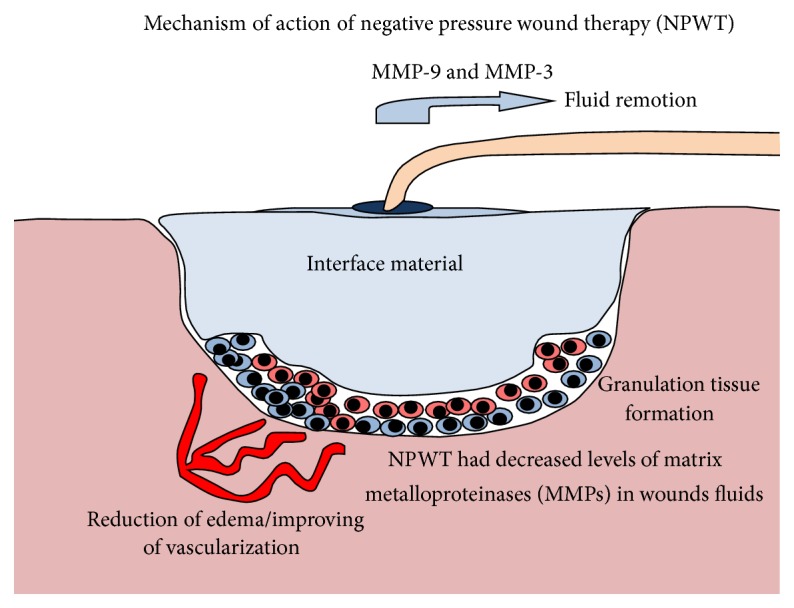
Demonstration of the principal mechanisms of action attributed to NPWT.
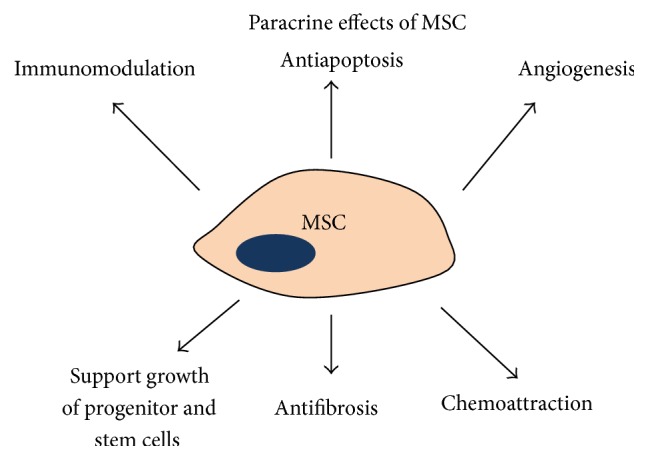
Paracrine effects of cultured mesenchymal stem cells (MSCs). It is now believed that the secretion of a wide variety of bioactive molecules may be the major mechanism by which CMMs achieve their therapeutic effect. This mechanism can be categorized into these six major actions: immunomodulatory, antiapoptosis, angiogenesis, support of the growth and differentiation of stem cells and progenitor sites, scarring modulation, and chemotaxis [78].
References
-
- Colwell A. S., Phan T.-T., Kong W., Longaker M. T., Lorenz P. H. Hypertrophic scar fibroblasts have increased connective tissue growth factor expression after transforming growth factor-β stimulation. Plastic and Reconstructive Surgery. 2005;116(5):1387–1390. doi: 10.1097/01.prs.0000182343.99694.28. - DOI - PubMed
Publication types
LinkOut - more resources
Full Text Sources
Other Literature Sources
