


AT1 receptor blocker losartan protects against mechanical ventilation-induced diaphragmatic dysfunction
- PMID: 26359481
- PMCID: PMC4816409
- DOI: 10.1152/japplphysiol.00237.2015
AT1 receptor blocker losartan protects against mechanical ventilation-induced diaphragmatic dysfunction
Abstract
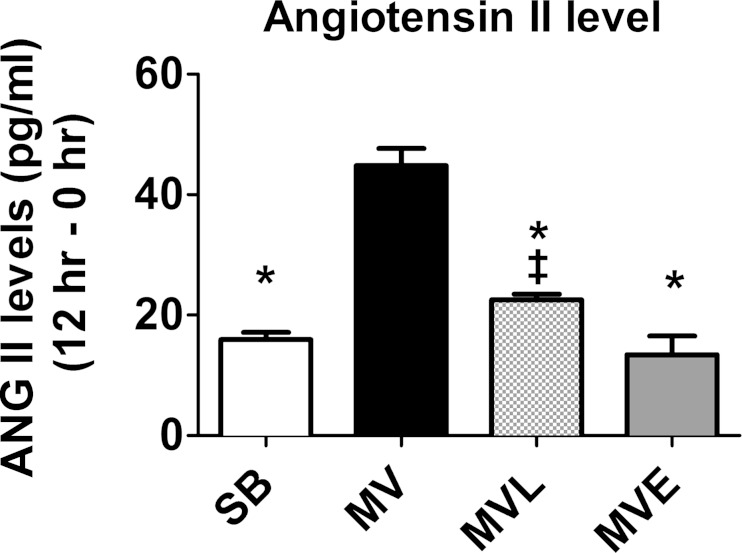
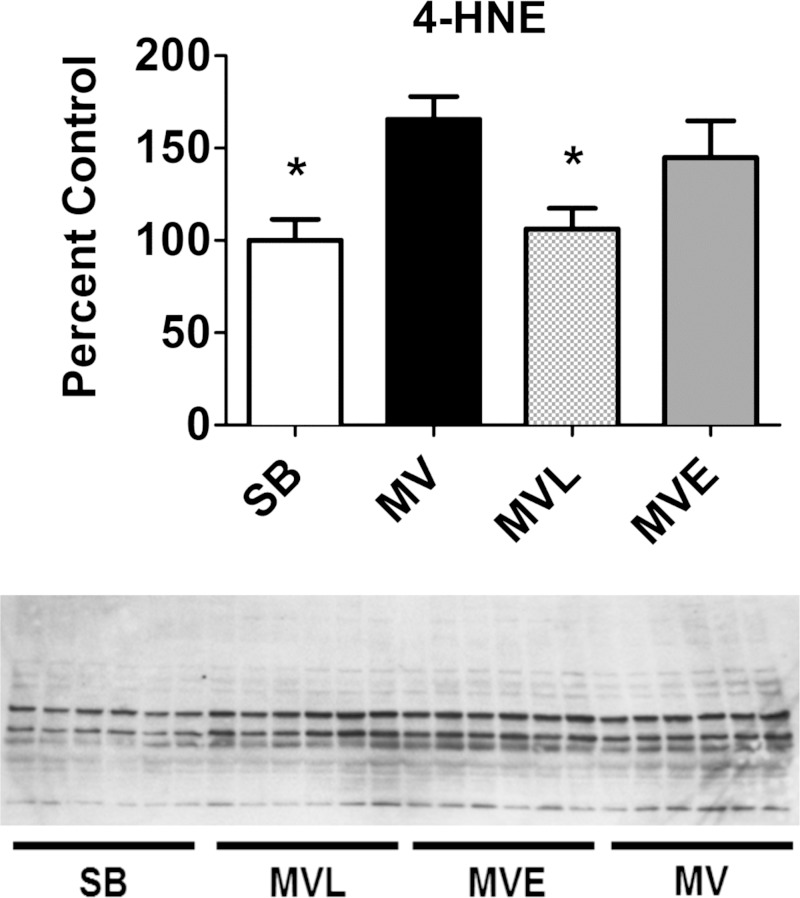
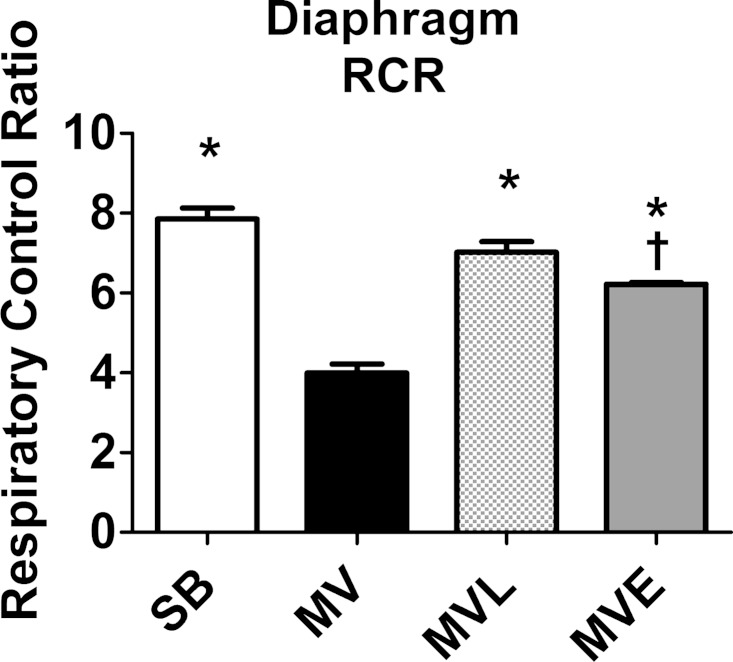
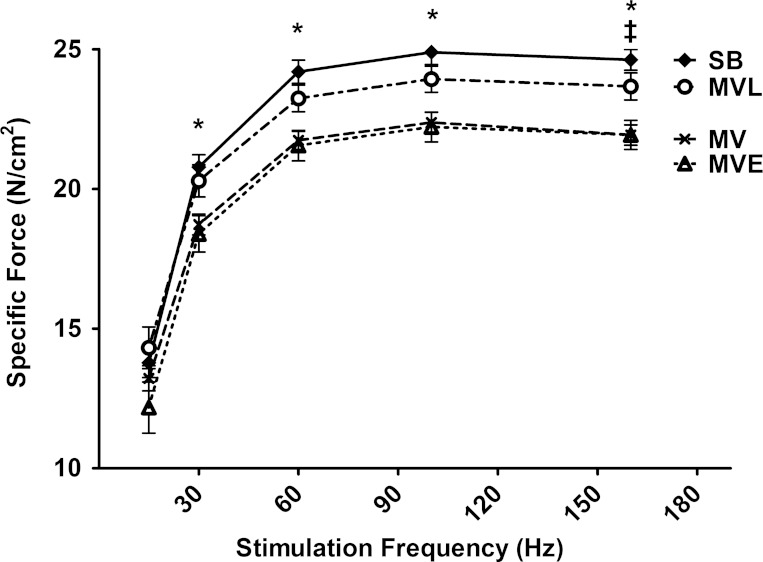
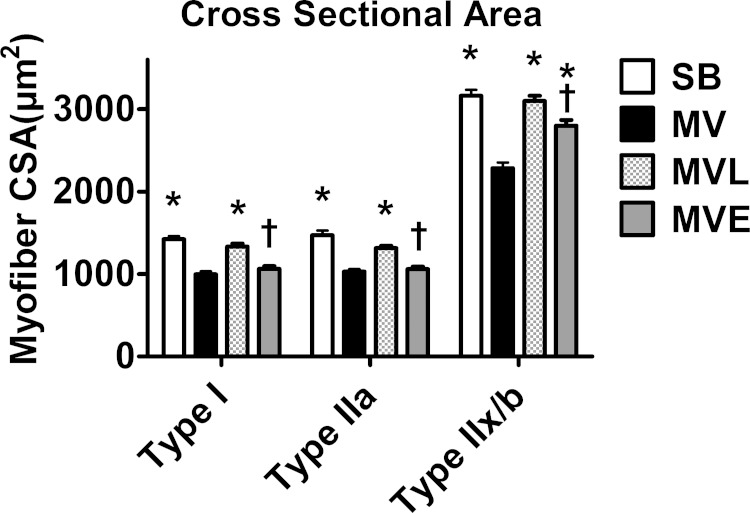
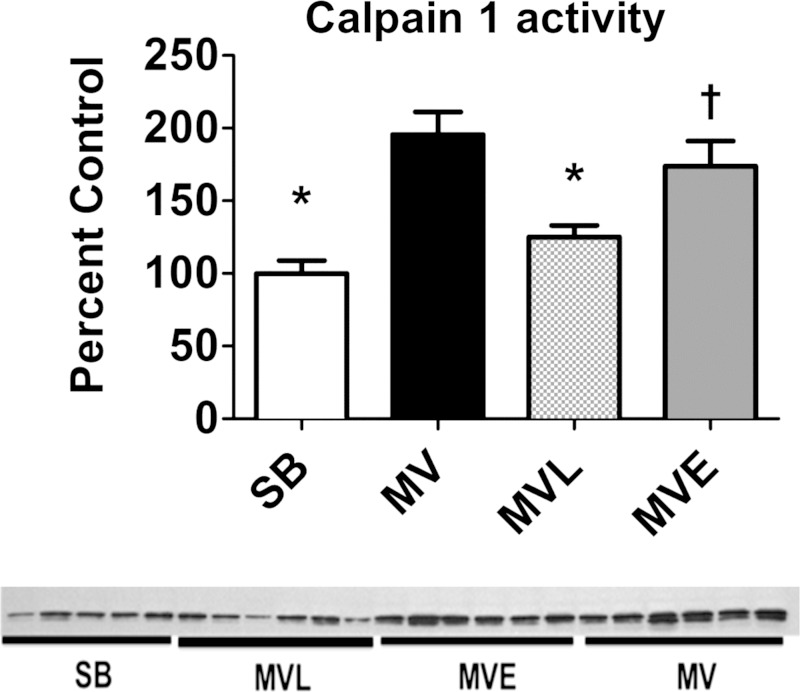
Mechanical ventilation is a life-saving intervention for patients in respiratory failure. Unfortunately, prolonged ventilator support results in diaphragmatic atrophy and contractile dysfunction leading to diaphragm weakness, which is predicted to contribute to problems in weaning patients from the ventilator. While it is established that ventilator-induced oxidative stress is required for the development of ventilator-induced diaphragm weakness, the signaling pathway(s) that trigger oxidant production remain unknown. However, recent evidence reveals that increased plasma levels of angiotensin II (ANG II) result in oxidative stress and atrophy in limb skeletal muscles. Using a well-established animal model of mechanical ventilation, we tested the hypothesis that increased circulating levels of ANG II are required for both ventilator-induced diaphragmatic oxidative stress and diaphragm weakness. Cause and effect was determined by administering an angiotensin-converting enzyme inhibitor (enalapril) to prevent ventilator-induced increases in plasma ANG II levels, and the ANG II type 1 receptor antagonist (losartan) was provided to prevent the activation of ANG II type 1 receptors. Enalapril prevented the increase in plasma ANG II levels but did not protect against ventilator-induced diaphragmatic oxidative stress or diaphragm weakness. In contrast, losartan attenuated both ventilator-induced oxidative stress and diaphragm weakness. These findings indicate that circulating ANG II is not essential for the development of ventilator-induced diaphragm weakness but that activation of ANG II type 1 receptors appears to be a requirement for ventilator-induced diaphragm weakness. Importantly, these experiments provide the first evidence that the Food and Drug Administration-approved drug losartan may have clinical benefits to protect against ventilator-induced diaphragm weakness in humans.
Keywords: muscle atrophy; reactive oxygen species; respiratory muscles; weaning.
Figures
References
-
- Betters JL, Criswell DS, Shanely RA, Van Gammeren D, Falk D, Deruisseau KC, Deering M, Yimlamai T, Powers SK. Trolox attenuates mechanical ventilation-induced diaphragmatic dysfunction and proteolysis. Am J Respir Crit Care Med 170: 1179–1184, 2004. - PubMed
-
- Brink M, Price SR, Chrast J, Bailey JL, Anwar A, Mitch WE, Delafontaine P. Angiotensin II induces skeletal muscle wasting through enhanced protein degradation and down-regulates autocrine insulin-like growth factor I. Endocrinology 142: 1489–1496, 2001. - PubMed
-
- Cabello-Verrugio C, Cordova G, Salas JD. Angiotensin II: role in skeletal muscle atrophy. Curr Protein Pept Sci 13: 560–569, 2012. - PubMed
-
- Cabello-Verrugio C, Morales MG, Rivera JC, Cabrera D, Simon F. Renin-Angiotensin system: an old player with novel functions in skeletal muscle. Med Res Rev 35: 437–463, 2015. - PubMed
Publication types
MeSH terms
Substances
Grants and funding
LinkOut - more resources
Full Text Sources
Other Literature Sources
Research Materials
Miscellaneous
