


A Cross-Species Analysis of Animal Models for the Investigation of Preterm Birth Mechanisms
- PMID: 26377998
- PMCID: PMC5933186
- DOI: 10.1177/1933719115604729
A Cross-Species Analysis of Animal Models for the Investigation of Preterm Birth Mechanisms
Abstract
Background: Spontaneous preterm birth is the leading cause of neonatal morbidity and mortality worldwide. The ability to examine the exact mechanisms underlying this syndrome in humans is limited. Therefore, the study of animal models is critical to unraveling the key physiologic mechanisms that control the timing of birth. The purpose of this review is to facilitate enhanced assimilation of the literature on animal models of preterm birth by a broad range of investigators.
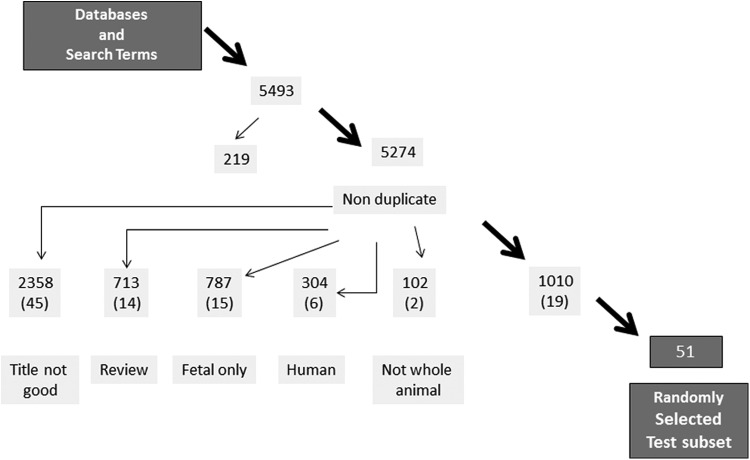
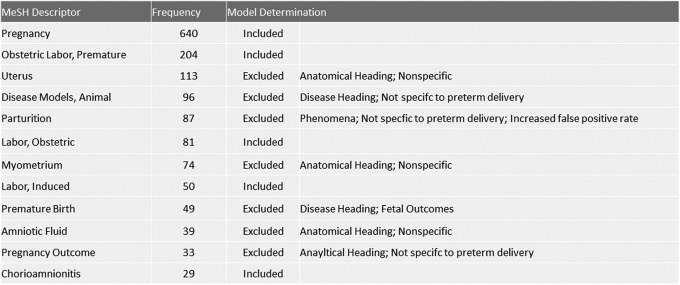
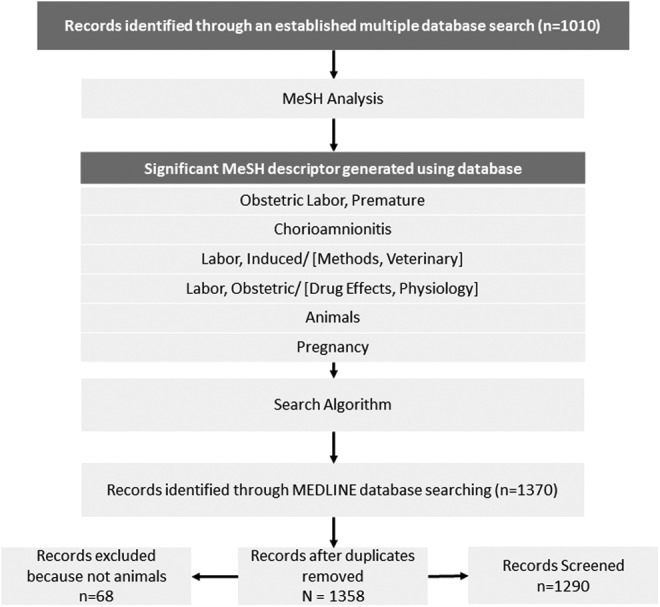
Methods: Using classical systematic and informatics search techniques of the available literature through 2012, a database of intact animal models was generated. Research librarians generated a list of articles using multiple databases. From these articles, a comprehensive list of Medical Subject Headings (MeSH) was created. Using mathematical modeling, significant MeSH descriptors were determined, and a MEDLINE search algorithm was created. The articles were reviewed for mechanism of labor induction categorized by species.
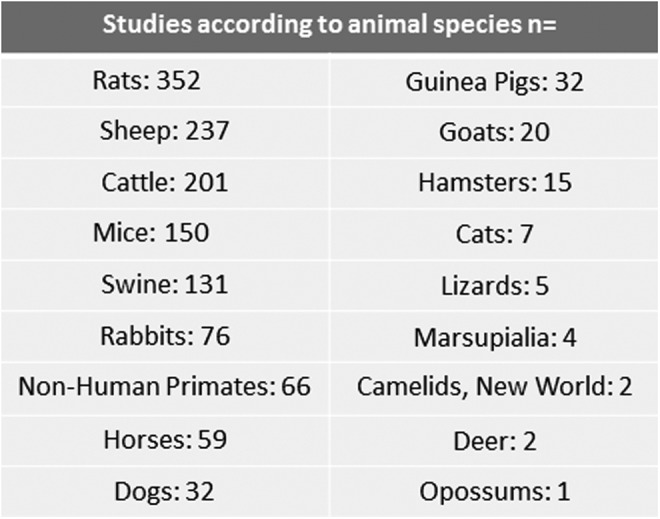
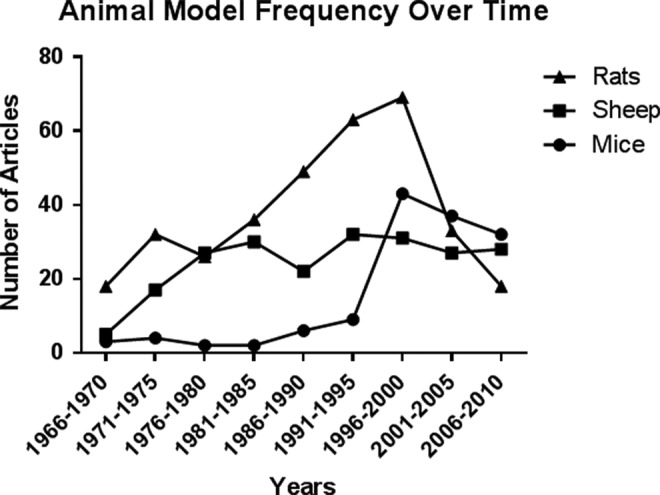
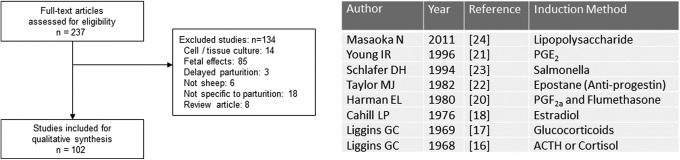
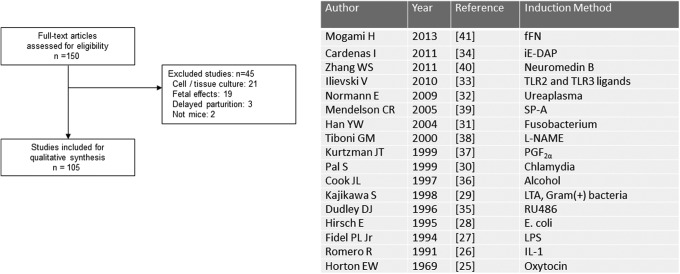
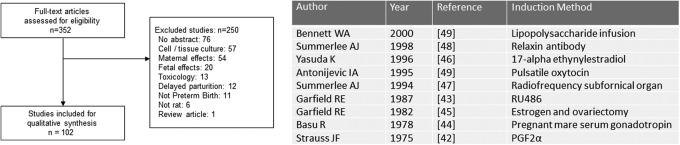
Results: Existing animal models of preterm birth comprise specific interventions to induce preterm birth, as no animal model was identified that exhibits natural spontaneous preterm birth at an incidence comparable to that of the humans. A search algorithm was developed which when used results in a comprehensive list of agents used to induce preterm delivery in a host of animal species. The evolution of 3 specific animal models--sheep, mice, and rats--has demonstrated a clear shift in focus in the literature from endocrine to inflammatory agents of preterm birth induction.
Conclusion: The process of developing a search algorithm to provide efficient access to information on animal models of preterm birth illustrates the need for a more precise organization of the literature to allow the investigator to focus on distinctly maternal versus fetal outcomes.
Keywords: animal models; obstetric labor; preterm birth.
© The Author(s) 2015.
Conflict of interest statement
Figures
References
-
- ACOG practice bulletin no. 127: Management of preterm labor. Obstet Gynecol. 2012;119(6):1308–1317. - PubMed
-
- Martin JA, Ventura SJ, Osterman MJK, Kirmeyer S, Mathews TJ, Wilson EC. Births: final data for 2009. Natl Vital Stat Rep. 2011;60(1):1–71. - PubMed
-
- Hamilton BE, Martin JA, Ventura SJ. Births: preliminary data for 2012. Natl Vital Stat Rep. 2013;62(3):1–20. - PubMed
-
- National Center for Health Statistics, final natality data. 2015; Web site www.marchofdimes.com/peristats.
Publication types
MeSH terms
Grants and funding
LinkOut - more resources
Full Text Sources
Other Literature Sources
