


Plant-derived immunomodulators: an insight on their preclinical evaluation and clinical trials
- PMID: 26379683
- PMCID: PMC4548092
- DOI: 10.3389/fpls.2015.00655
Plant-derived immunomodulators: an insight on their preclinical evaluation and clinical trials
Erratum in
-
Corrigendum: Plant-derived immunomodulators: an insight on their preclinical evaluation and clinical trials.Front Plant Sci. 2018 Aug 13;9:1178. doi: 10.3389/fpls.2018.01178. eCollection 2018. Front Plant Sci. 2018. PMID: 30131822 Free PMC article.
Abstract
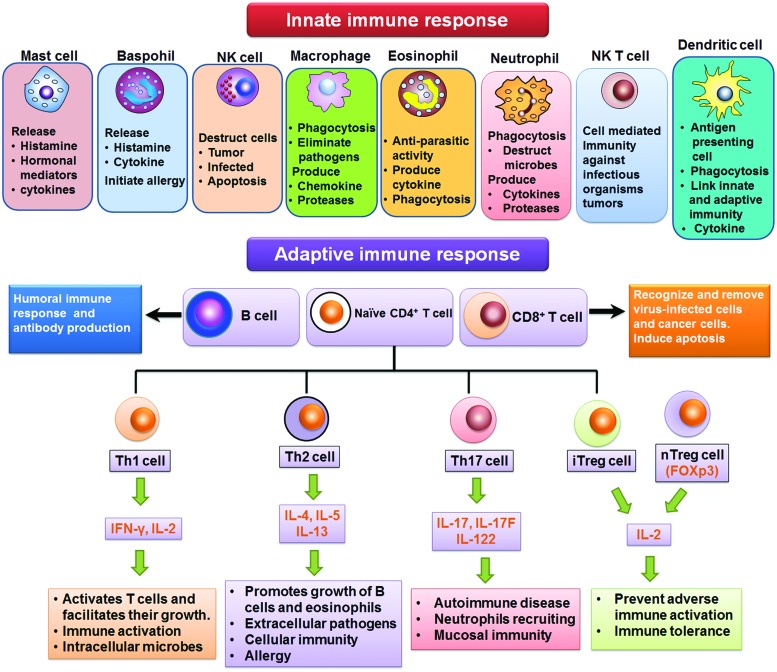
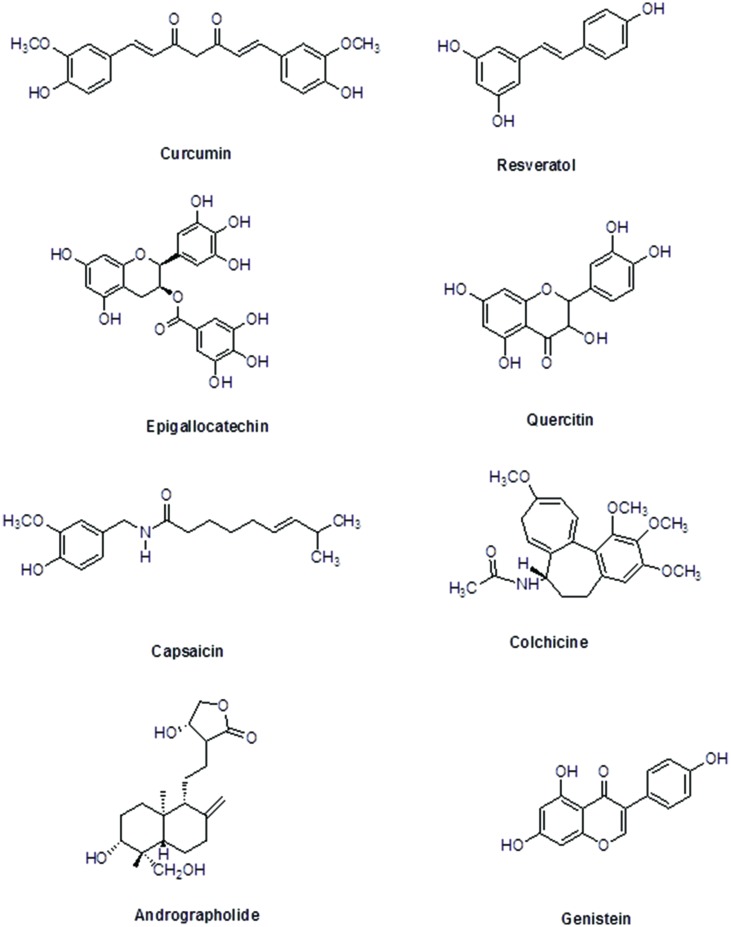
The phagocyte-microbe interactions in the immune system is a defense mechanism but when excessively or inappropriately deployed can harm host tissues and participate in the development of different non-immune and immune chronic inflammatory diseases such as autoimmune problems, allergies, some rheumatoid disorders, cancers and others. Immunodrugs include organic synthetics, biological agents such as cytokines and antibodies acting on single targets or pathways have been used to treat immune-related diseases but with limited success. Most of immunostimulants and immunosuppressants in clinical use are the cytotoxic drugs which possess serious side effects. There is a growing interest to use herbal medicines as multi-component agents to modulate the complex immune system in the prevention of infections rather than treating the immune-related diseases. Many therapeutic effects of plant extracts have been suggested to be due to their wide array of immunomodulatory effects and influence on the immune system of the human body. Phytochemicals such as flavonoids, polysaccharides, lactones, alkaloids, diterpenoids and glycosides, present in several plants, have been reported to be responsible for the plants immunomodulating properties. Thus the search for natural products of plant origin as new leads for development of potent and safe immunosuppressant and immunostimulant agents is gaining much major research interest. The present review will give an overview of widely investigated plant-derived compounds (curcumin, resveratrol, epigallocatechol-3-gallate, quercetin, colchicine, capsaicin, andrographolide, and genistein) which have exhibited potent effects on cellular and humoral immune functions in pre-clinical investigations and will highlight their clinical potential.
Keywords: capsaicin; colchicine; curcumin; epigallocatechol-3-gallate; immunomodulation; quercetin; resveratrol.
Figures
References
-
- Abbey E. L., Rankin J. W. (2011). Effect of quercetin supplementation on repeated-sprint performance, xanthine oxidase activity, and inflammation. Int. J. Sport Nutr. Exerc. Metab. 21 91–96. - PubMed
Publication types
LinkOut - more resources
Full Text Sources
Other Literature Sources
