


Serum Calprotectin: A Potential Biomarker for Neonatal Sepsis
- PMID: 26380313
- PMCID: PMC4563108
- DOI: 10.1155/2015/147973
Serum Calprotectin: A Potential Biomarker for Neonatal Sepsis
Abstract
Introduction: The correct diagnosis of neonatal sepsis is a relevant problem because sepsis is one of the most important causes of neonatal morbidity, mortality, and prolonged hospital stay. Calprotectin is an antimicrobial, calcium and zinc binding heterocomplex protein that could be used as a nonspecific marker for activation of granulocytes and mononuclear phagocytes. Calprotectin has been proposed for the diagnosis of inflammatory conditions. Our aim is to study serum calprotectin as a biomarker for neonatal sepsis diagnosis.
Methods: 41 (20 females, 21 males) infants who underwent blood culture due to suspected sepsis were enrolled in the study. Serum calprotectin was measured by a commercial ELISA assay (Calprest, Eurospital, Trieste, Italy). Statistical analysis was performed using the statistical software package Stata 13.1 (Stata Corporation, College Station, Texas, USA).
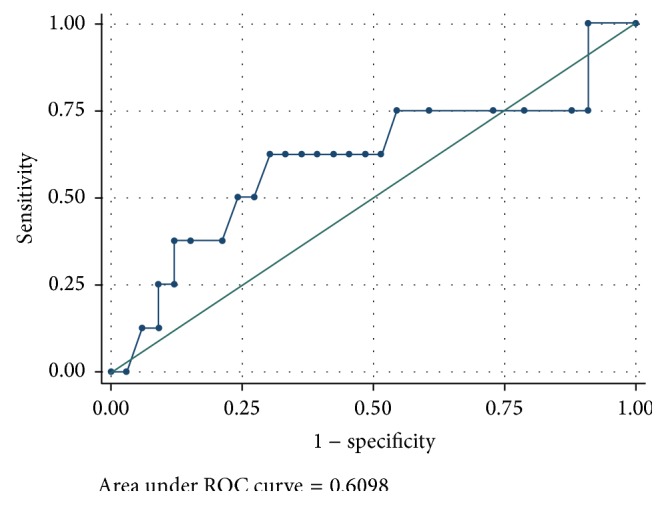
Results: 8 neonates (19.51%) showed sepsis with positive culture and 33 (80.49%) showed suspected sepsis. The optimal cut-off for calprotectin is 2.2 μg/mL with a sensitivity of 62.5% and a specificity of 69.7%.
Conclusions: Calprotectin may be considered a promising early, sensitive, specific marker of sepsis thanks to the importance of calprotectin in defense mechanisms and physiological functions of the immune system.
References
-
- Fagerhol M. K., Dale I., Andersson T. Release and quantitation of a leucocyte derived protein (L1) Scandinavian Journal of Haematology. 1980;24(5):393–398.
MeSH terms
Substances
LinkOut - more resources
Full Text Sources
Other Literature Sources
Medical
