New developments in the use of positive airway pressure for obstructive sleep apnea
- PMID: 26380760
- PMCID: PMC4561253
- DOI: 10.3978/j.issn.2072-1439.2015.07.30
New developments in the use of positive airway pressure for obstructive sleep apnea
Abstract
Obstructive sleep apnea (OSA) is a disorder which afflicts a large number of individuals around the world. OSA causes sleepiness and is a major cardiovascular risk factor. Since its inception in the early 1980's, continuous positive airway pressure (CPAP) has emerged as the major treatment of OSA, and it has been shown to improve sleepiness, hypertension, and a number of cardiovascular indices. Despite its successes, adherence with treatment remains a major limitation. Herein we will review the evidence behind the use of positive airway pressure (PAP) therapy, its various modes, and the methods employed to improve adherence. We will also discuss the future of PAP therapy in OSA and personalization of care.
Keywords: Obstructive sleep apnea (OSA); positive airway pressure (PAP); treatment adherence.
Conflict of interest statement
Figures
References
-
- Strohl KP, Redline S. Recognition of obstructive sleep apnea. Am J Respir Crit Care Med 1996;154:279-89. - PubMed
-
- Sullivan CE, Issa FG, Berthon-Jones M, et al. Reversal of obstructive sleep apnoea by continuous positive airway pressure applied through the nares. Lancet 1981;1:862-5. - PubMed
-
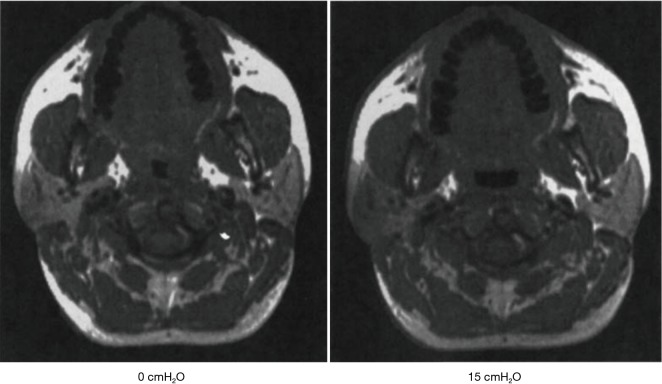
- Schwab RJ, Pack AI, Gupta KB, et al. Upper airway and soft tissue structural changes induced by CPAP in normal subjects. Am J Respir Crit Care Med 1996;154:1106-16. - PubMed
Publication types
Grants and funding
LinkOut - more resources
Full Text Sources
Medical
Research Materials