


Frequency of Pathogenic Paediatric Bacterial Meningitis in Mozambique: The Critical Role of Multiplex Real-Time Polymerase Chain Reaction to Estimate the Burden of Disease
- PMID: 26393933
- PMCID: PMC4578858
- DOI: 10.1371/journal.pone.0138249
Frequency of Pathogenic Paediatric Bacterial Meningitis in Mozambique: The Critical Role of Multiplex Real-Time Polymerase Chain Reaction to Estimate the Burden of Disease
Abstract
Background: In Sub-Saharan Africa, including Mozambique, acute bacterial meningitis (ABM) represents a main cause of childhood mortality. The burden of ABM is seriously underestimated because of the poor performance of culture sampling, the primary method of ABM surveillance in the region. Low quality cerebrospinal fluid (CSF) samples and frequent consumption of antibiotics prior to sample collection lead to a high rate of false-negative results. To our knowledge, this study is the first to determine the frequency of ABM in Mozambique using real-time polymerase chain reaction (qPCR) and to compare results to those of culture sampling.
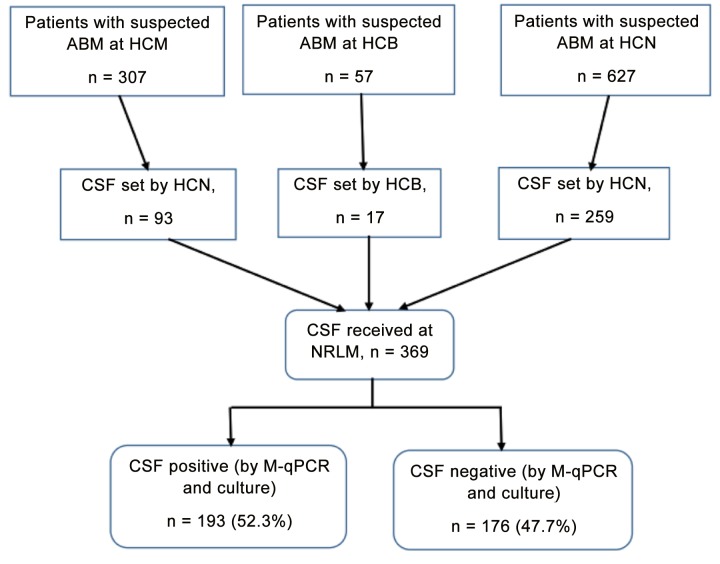
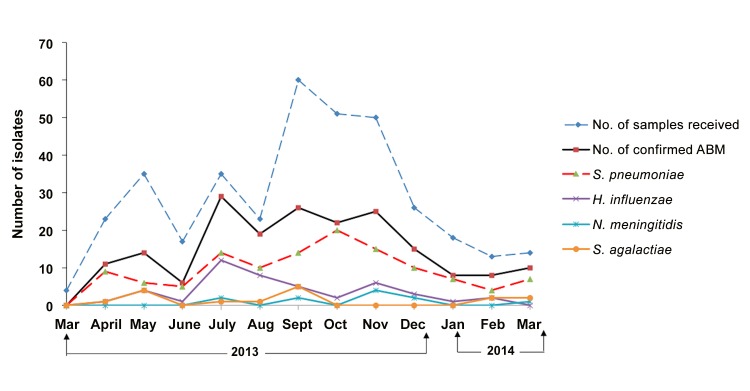
Method: Between March 2013 and March 2014, CSF samples were collected at 3 regional hospitals from patients under 5 years of age, who met World Health Organization case definition criteria for ABM. Macroscopic examination, cytochemical study, culture, and qPCR were performed on all samples.
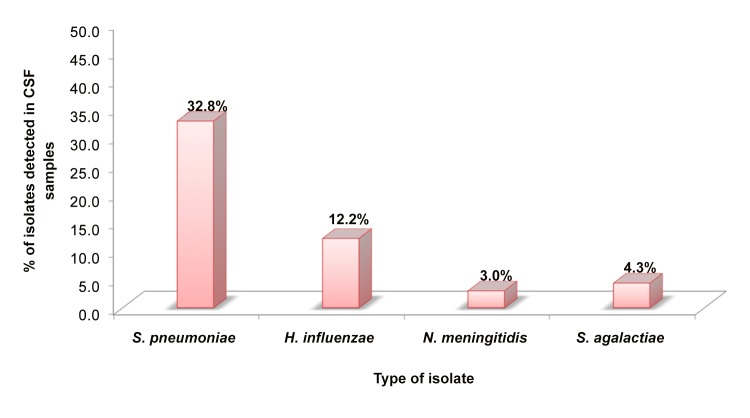
Results: A total of 369 CSF samples were collected from children clinically suspected of ABM. qPCR showed a significantly higher detection rate of ABM-causing pathogens when compared to culture (52.3% [193/369] versus 7.3% [27/369], p = 0.000). The frequency of Streptococcus pneumoniae, Haemophilus influenzae, group B Streptococci, and Neisseria meningitidis were 32.8% (121⁄369), 12.2%, (45⁄369), 3.0% (16⁄369) and 4.3% (11⁄369), respectively, significantly higher compared to that obtained on culture (p < 0.001 for each).
Conclusion: Our findings demonstrate that culture is less effective for the diagnosis of ABM than qPCR. The common use of culture rather than qPCR to identify ABM results in serious underestimation of the burden of the disease, and our findings strongly suggest that qPCR should be incorporated into surveillance activities for ABM. In addition, our data showed that S. pneumoniae represents the most common cause of ABM in children under 5 years of age.
Conflict of interest statement
Figures
References
-
- Peltola H. Burden of meningitis and other severe bacterial infections of children in africa: implications for prevention. Clin Infect Dis. 2001; 32: 64–75. - PubMed
-
- Sigauque B, Roca A, Sanz S, Oliveiras I, Martinez M, Mandomando I, et al. Acute bacterial meningitis among children, in Manhica, a rural area in Southern Mozambique. Acta Trop. 2008; 105: 21–27. - PubMed
Publication types
MeSH terms
Substances
LinkOut - more resources
Full Text Sources
Other Literature Sources
Molecular Biology Databases
Miscellaneous
