. 2015 Nov;17 Suppl 6(Suppl 6):vi1-26.
doi: 10.1093/neuonc/nov169.

CNS Anticancer Drug Discovery and Development Conference White Paper

Affiliations

CNS Anticancer Drug Discovery and Development Conference White Paper

Victor A Levin et al. Neuro Oncol. 2015 Nov.

Abstract

Following the first CNS Anticancer Drug Discovery and Development Conference, the speakers from the first 4 sessions and organizers of the conference created this White Paper hoping to stimulate more and better CNS anticancer drug discovery and development. The first part of the White Paper reviews, comments, and, in some cases, expands on the 4 session areas critical to new drug development: pharmacological challenges, recent drug approaches, drug targets and discovery, and clinical paths. Following this concise review of the science and clinical aspects of new CNS anticancer drug discovery and development, we discuss, under the rubric "Accelerating Drug Discovery and Development for Brain Tumors," further reasons why the pharmaceutical industry and academia have failed to develop new anticancer drugs for CNS malignancies and what it will take to change the current status quo and develop the drugs so desperately needed by our patients with malignant CNS tumors. While this White Paper is not a formal roadmap to that end, it should be an educational guide to clinicians and scientists to help move a stagnant field forward.

Keywords: brain metastasis; chemotherapy; glioma; medulloblastoma; pharmacokinetics; pharmacology.


Figures

Fig. 1.
Fig. 1.
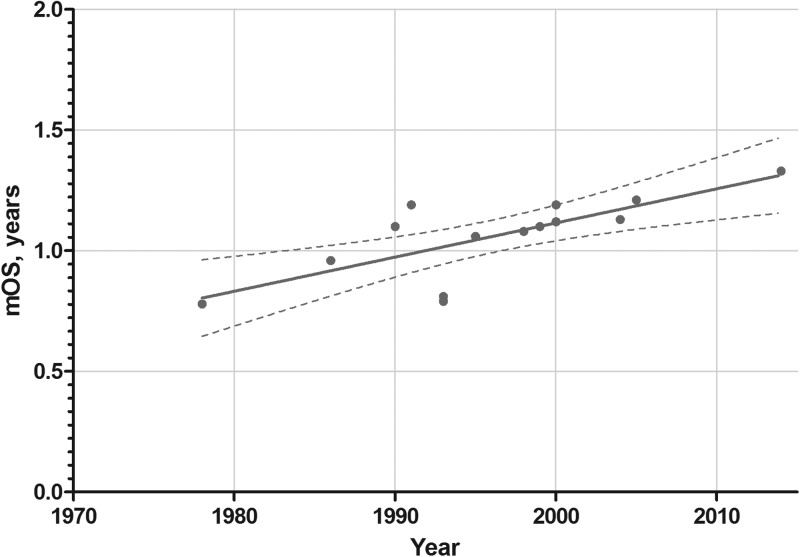
Plot of median overall survival (mOS) for patients treated with adjuvant chemotherapy in phase III clinical trials for GBM over the years 1978–2014.,–
Fig. 2.
Fig. 2.
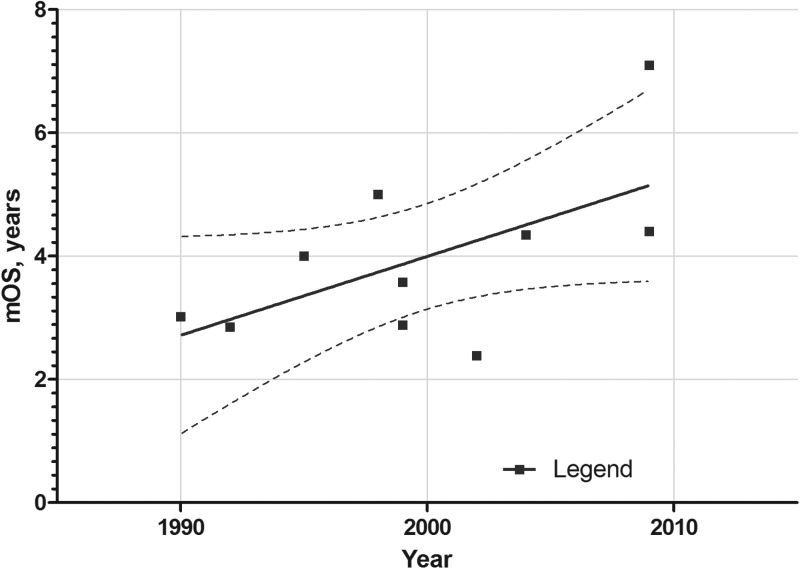
Plot of median overall survival (mOS) for patients with anaplastic astrocytoma (and a small number of patients with anaplastic oligoastrocytoma) treated with adjuvant chemotherapy in clinical trials during the years 1990–2009.,,,–
Fig. 3.
Fig. 3.
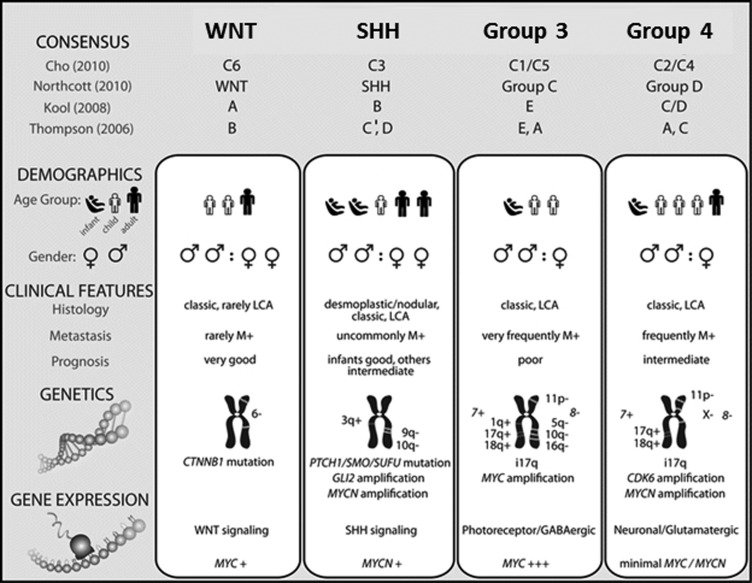
Comparison of the subgroups of medulloblastoma and their association with published papers on molecular subgrouping.,– SHH, Sonic hedgehog. Reprinted with permission from Michael Taylor.
Fig. 4.
Fig. 4.
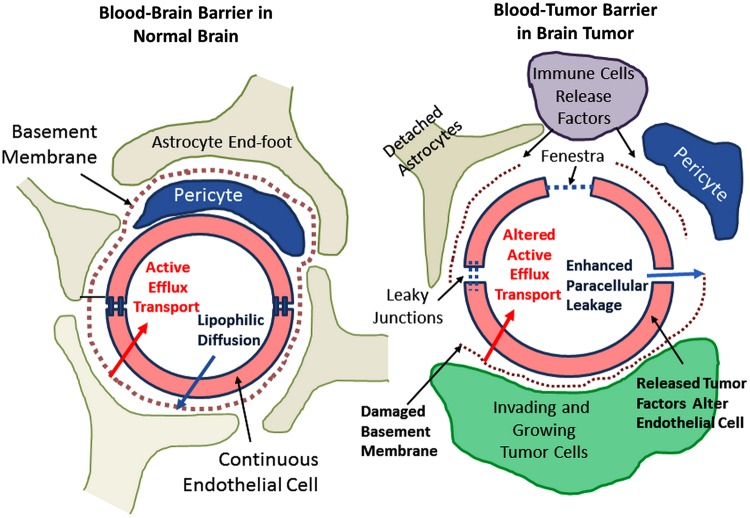
These illustrations compare and contrast the differences between the BBB and the more leaky BTB “barrier.”
Fig. 5.
Fig. 5.
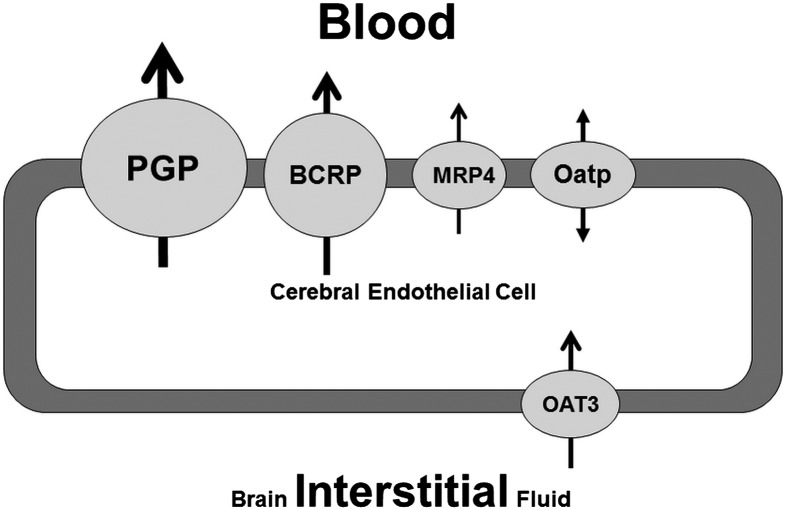
Depiction of some of the efflux pumps responsible for endothelial brain barrier phenomena. The size of the circle is a relative approximation of efflux pump activity in brain endothelia. Abbreviations: PGP, P-gp; OATP, organic anion-transporting polypeptide; OAT3, organic anion transporter.
Fig. 6.
Fig. 6.
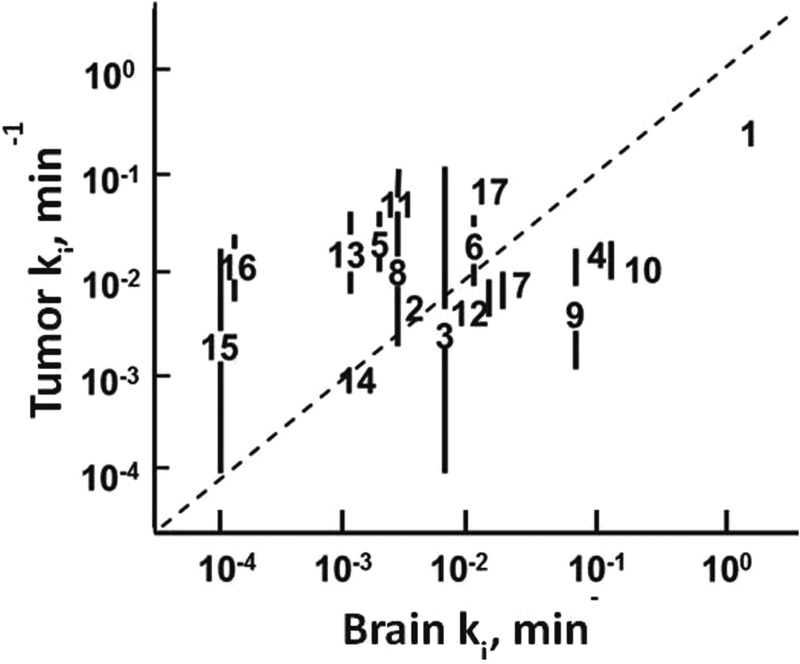
This plot depicts the the relationship of the transfer constant ki, permeability × surface area, for i.c. rat 9 L tumor vs normal mouse brain, and temozolomide from a human study. The dashed line has slope of unity and is not fit of that data. 1, 3HOH; 2, NaCl; 3, urea; 4, glycerol; 5, creatinine; 6, 5-fluorouracil; 7, dianhydrogalactitol; 8, galactitol; 9, misonidazole; 10, procarbazine; 11, α-difluoromethylornithine; 12, dibromodulcitol; 13, sucrose; 14, epipodophyllotoxin; 15, bleomycin; 16, inulin; and 17, temozolomide.
Fig. 7.
Fig. 7.
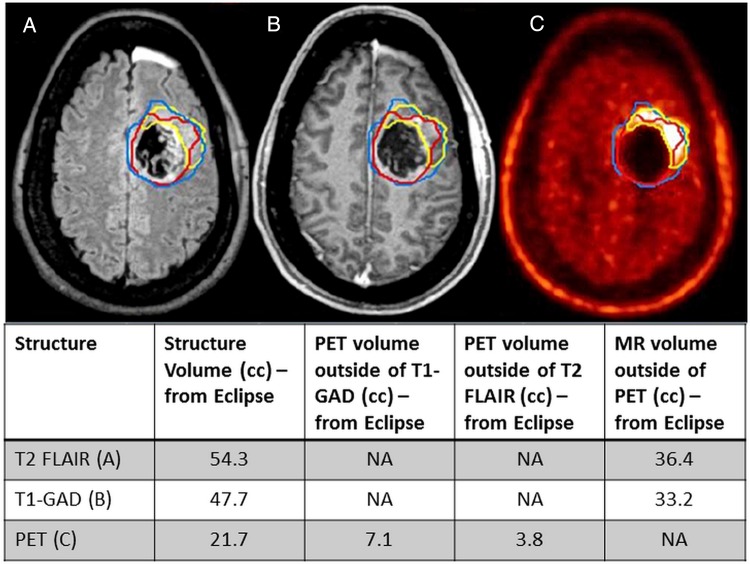
Current diagnostic imaging modalities fail to adequately describe entire tumor location. (A) T2-FLAIR image of GBM patient with tumor area outlined in blue. (B) T1-gadolinium (GAD) image of the same patient tumor (outlined in red). Contour includes postoperative cavity (not just enhancement). (C) PET image from the same patient with active tumor outlined in yellow. Tumor volume comparison of T1-GAD, T2-FLAIR, and PET indicates a large volume of active tumor (PET) outside of the area where the BBB is leaky (T1-GAD). (From Parrish et al).
Fig. 8.
Fig. 8.
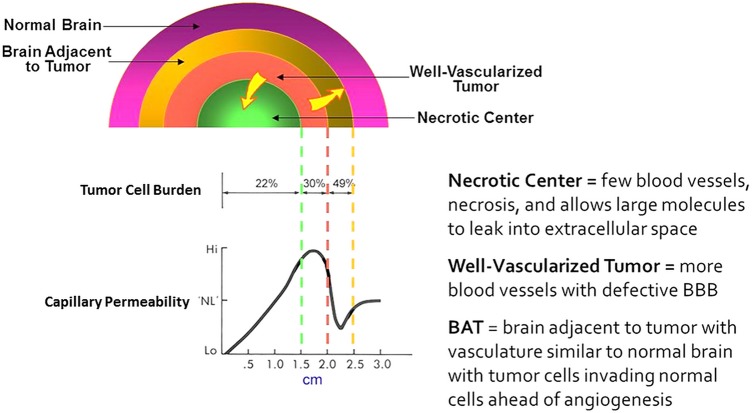
Depiction of the relationship of tumor cell burden to capillary permeability based on physiological and pathological observations.,
Fig. 9.
Fig. 9.
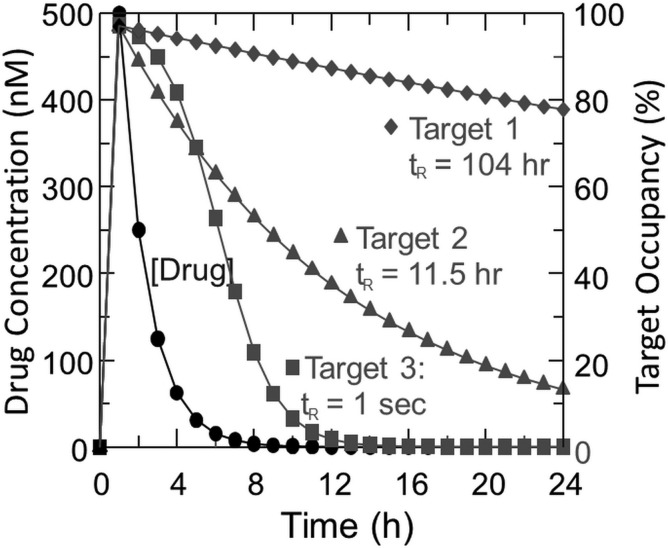
Variation in drug-target occupancy as a function of time for three targets. It is assumed that drug concentration (Cmax) is 500 nM after dosing and clears with t1/2 of 1 h and that drug binds to 3 different targets with the same Kd (14 nM). Target occupancy (%) is calculated for targets 1 and 2 assuming no rebinding and residence times (tR = 1/koff) of 104 and 11.5 h, respectively. For target 3, Kd is used to calculate occupancy, that is, kon and koff are fast relative to the change in [drug]: here tR = 1 s based on diffusion-controlled kon.
Fig. 10.
Fig. 10.
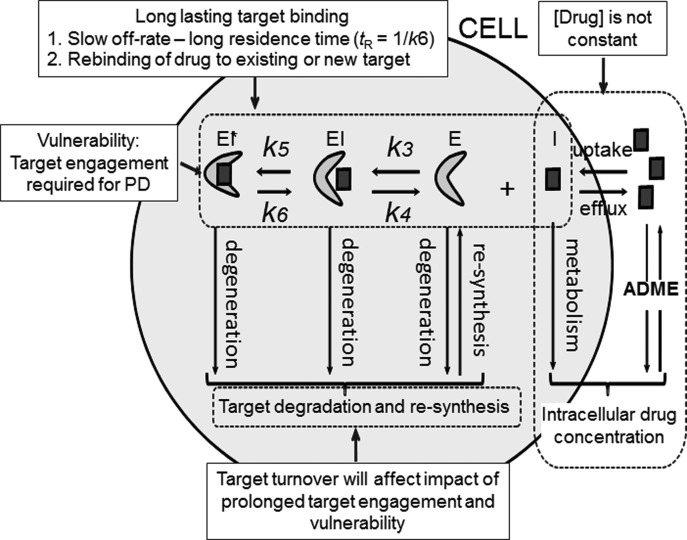
Some factors that affect target engagement. Many time-dependent inhibitors bind through an induced-fit 2-step mechanism where interconversion between an initial (EI) and final (EI*) enzyme inhibitor complex is slow. Here koff ≈ k6 so tR = 1/k6.
Fig. 11.
Fig. 11.
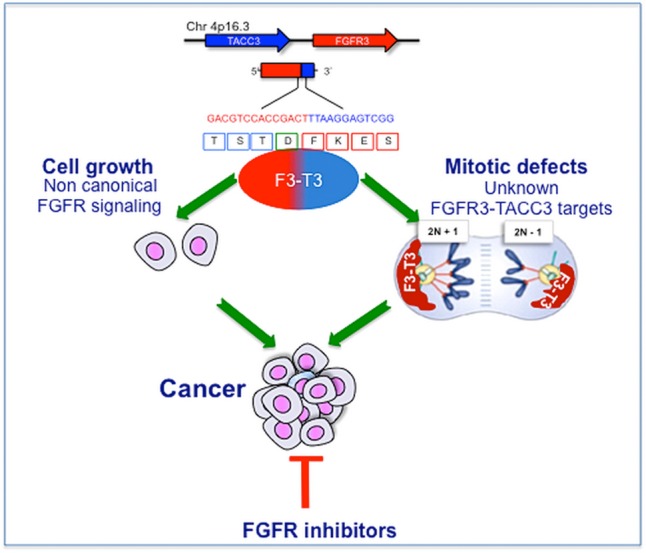
The mechanism of action of FGFR-TACC fusions in glioblastoma.
Fig. 12.
Fig. 12.
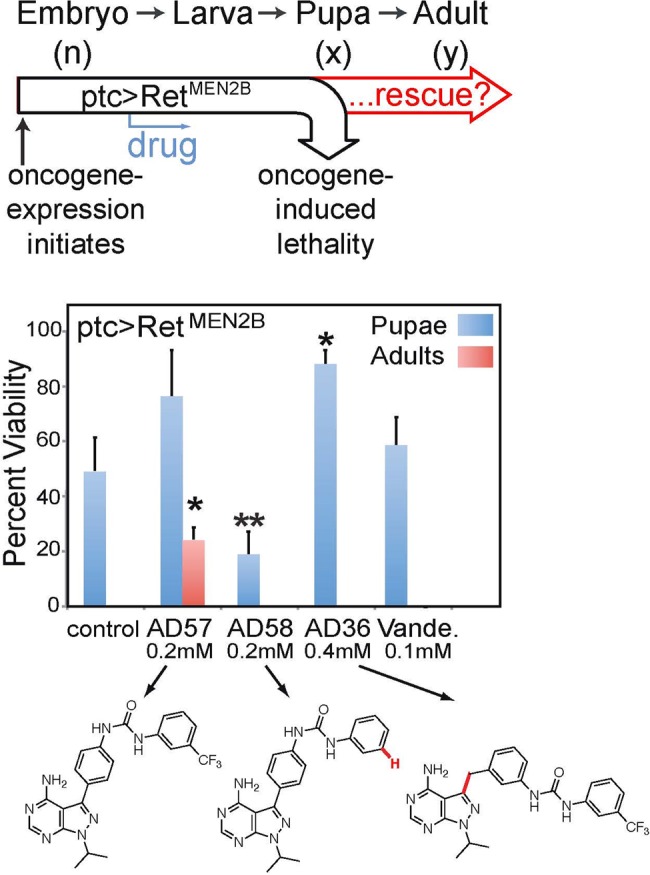
Drosophila whole body assays are extremely sensitive to small changes in chemical structure. (Top) An oncogenic mutant of Ret kinase (RetMEN2B) was expressed under the patched (ptc) promoter in the fly, leading to early lethality. (Middle) Compounds were assayed for pharmacological rescue from Ret-induced lethality. Pupae and fully enclosed adults were counted (n = 200, 75, 98, 54). Vande. = Vandetinib. (Bottom) AD57, AD58, and AD36 are chemically similar yet produced vastly different biological responses. Cross comparison of these compounds led to the discovery of mechanistic basis of efficacy (targets) and dose-limiting toxicity (anti-targets). This figure is modified from Dar et al.
Fig. 13.
Fig. 13.
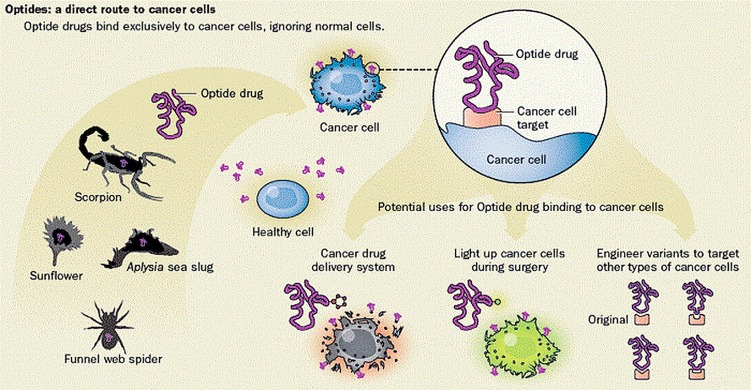
Multiple sources of optide starting scaffolds exist in nature, from the venom of spiders and scorpions to plants and flowers. Some of these have been found to bind to cancer cells, and mutations can be made to enhance their specificity. This allows them to be used as targeting agents for fluorescent surgical aids or cytotoxic warheads.
Fig. 14.
Fig. 14.
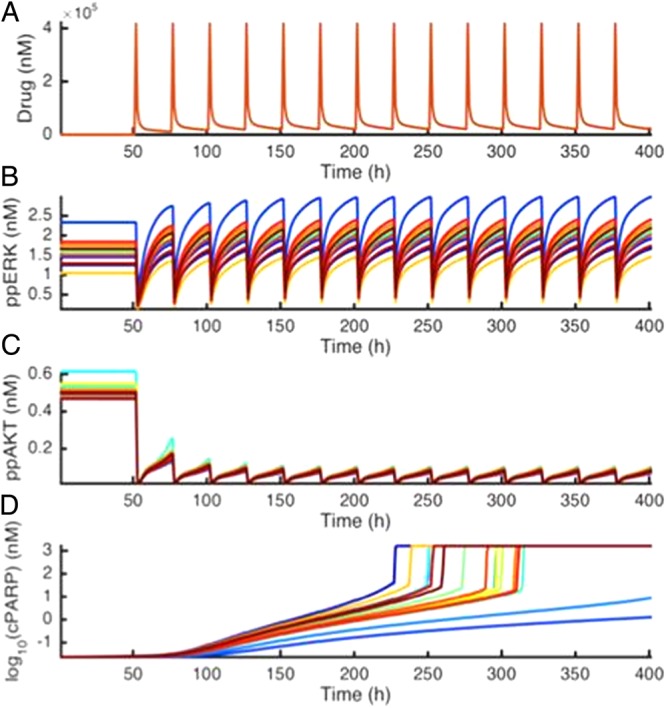
Simulation results from The Cancer Genome Atlas (TCGA) patient-tailored GBM cell signaling model. The mRNA expression for 16 patients from TCGA was used to set initial protein concentrations. Response to an investigational drug, ON123300, with multiple cellular targets mTOR, FGFR, platelet derived growth factor receptor, cyclin-dependent kinase 4 was simulated. (A) Drug concentration in plasma over time. (B) Phosphorylated pancreatic (pp)ERK levels over time. Each color represents a different patient. (C) ppAkt levels over time. (D) Cleaved PARP levels over time. Note the log scale.

References

    1. Ostrom QT, Gittleman H, Farah P, et al. CBTRUS Statistical Report: primary brain and central nervous system tumors diagnosed in the United States in 2006–2010. Neuro Oncol. 2013;15(suppl 2):ii1–ii56. - PMC - PubMed
    1. Patchell RA. The management of brain metastases. Cancer Treat Rev. 2003;29(6):533–540. - PubMed
    1. Hutter A, Schwetye KE, Bierhals AJ, McKinstry RC. Brain neoplasms: epidemiology, diagnosis, and prospects for cost-effective imaging. Neuroimaging Clin N Am. 2003;13(2):237–250, x-xi. - PubMed
    1. Mehta M, Vogelbaum MA, Chang S, et al. Neoplasms of the central nervous system. In: DeVita VTJ, Lawrence TS, Rosenberg SA, eds. Cancer: Principles and Practice of Oncology. 9th ed. Philadelphia, PA: Lippincott Williams & Wilkins; 2011:1700–1749.
    1. Kleihues P, Burger PC, Scheithauer BW. The new WHO classification of brain tumours. Brain Pathol. 1993;3(3):255–268. - PubMed

Publication types

Substances