


Functional classification of memory CD8(+) T cells by CX3CR1 expression
- PMID: 26404698
- PMCID: PMC4667439
- DOI: 10.1038/ncomms9306
Functional classification of memory CD8(+) T cells by CX3CR1 expression
Abstract
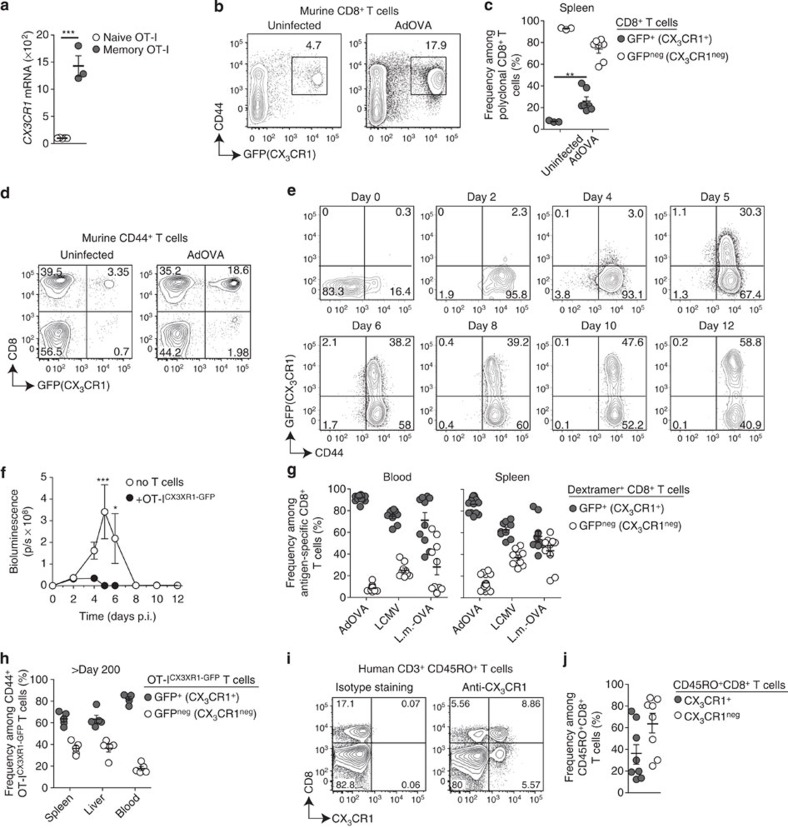
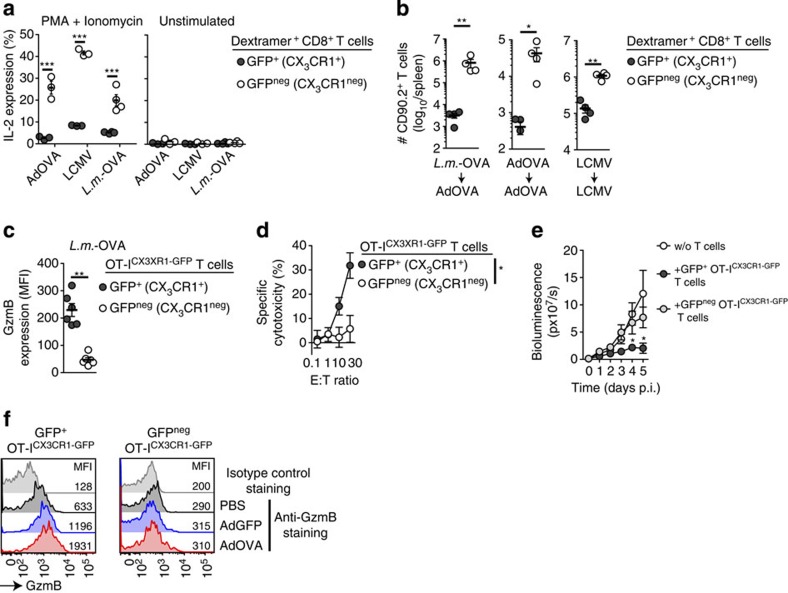
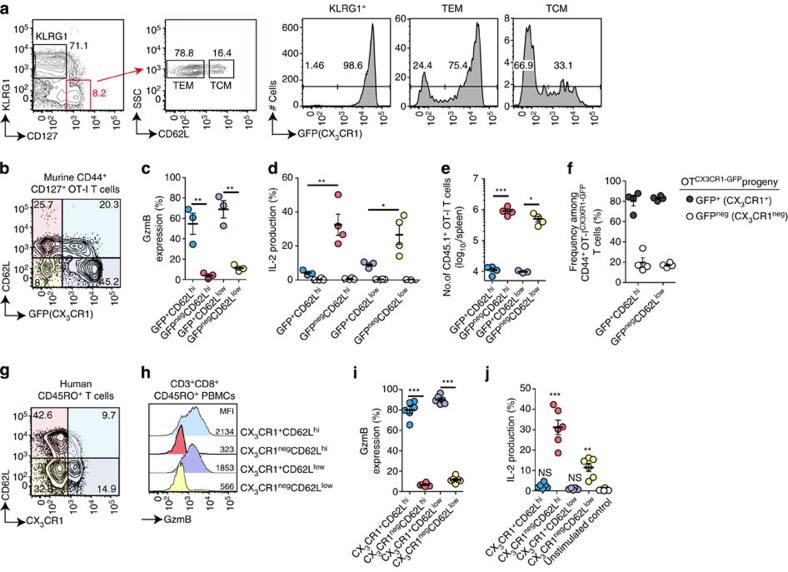
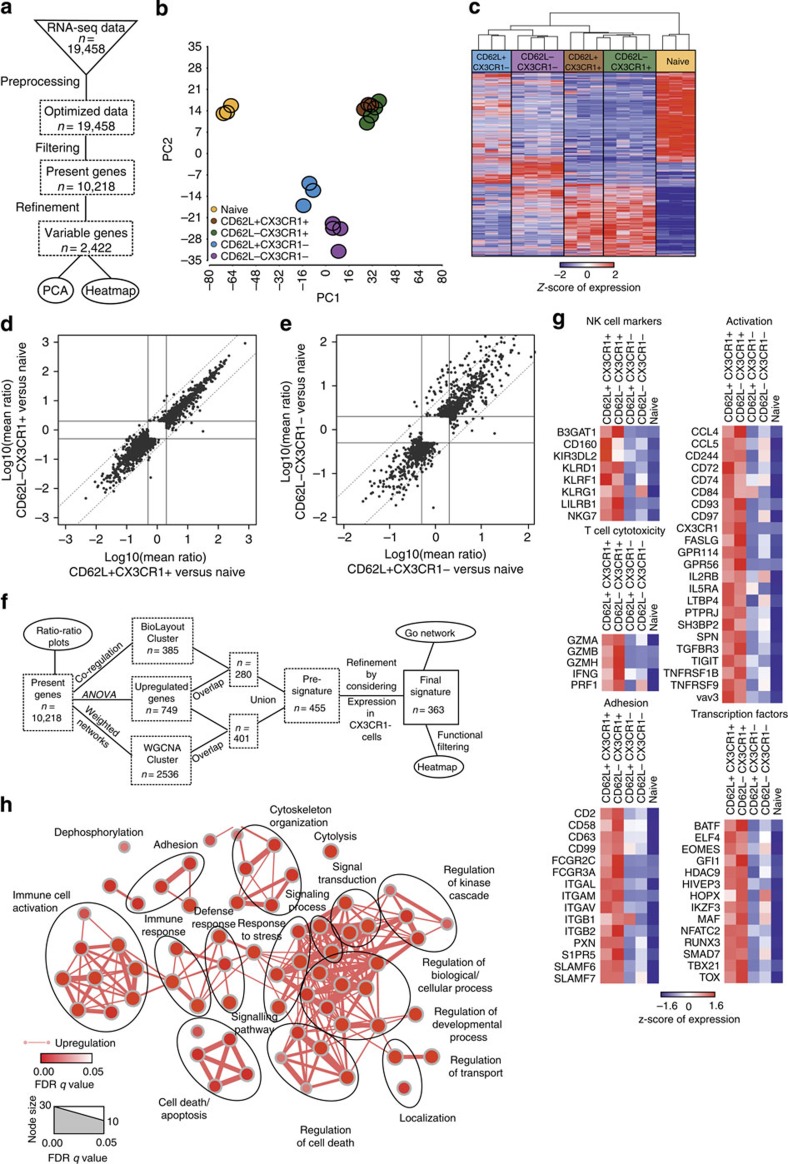
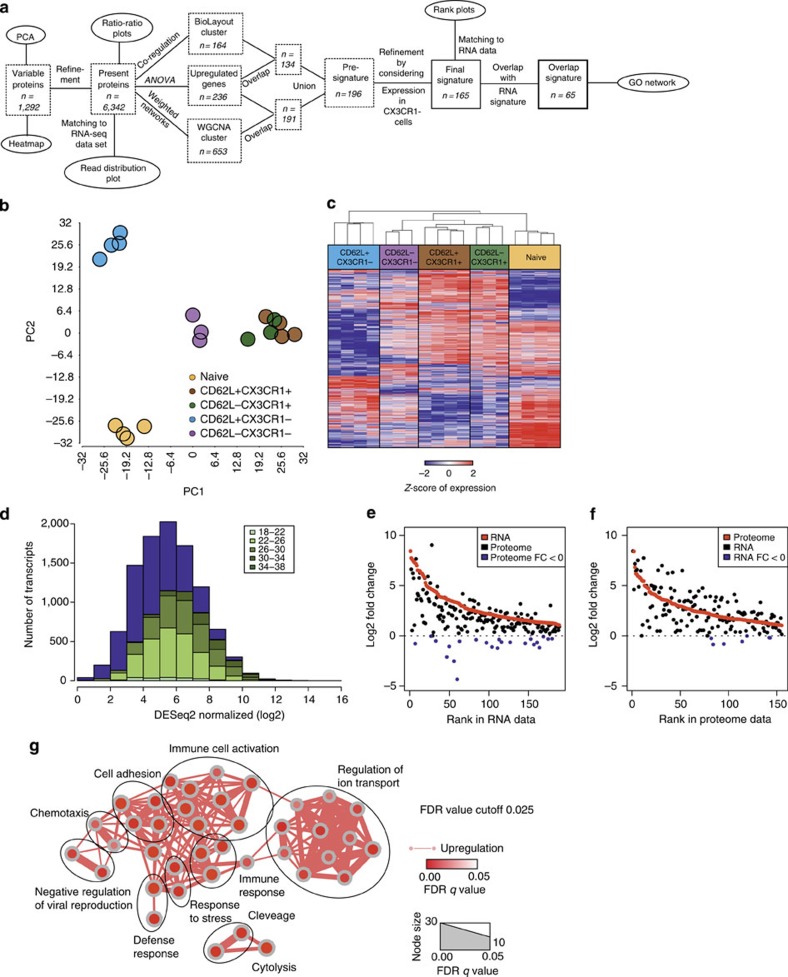
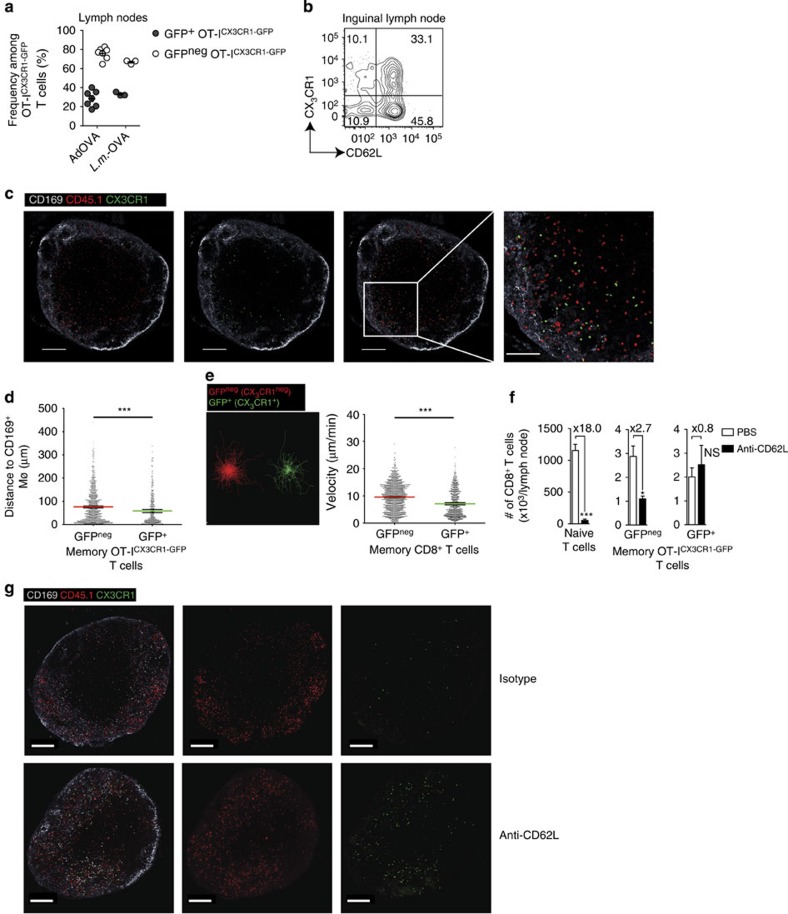
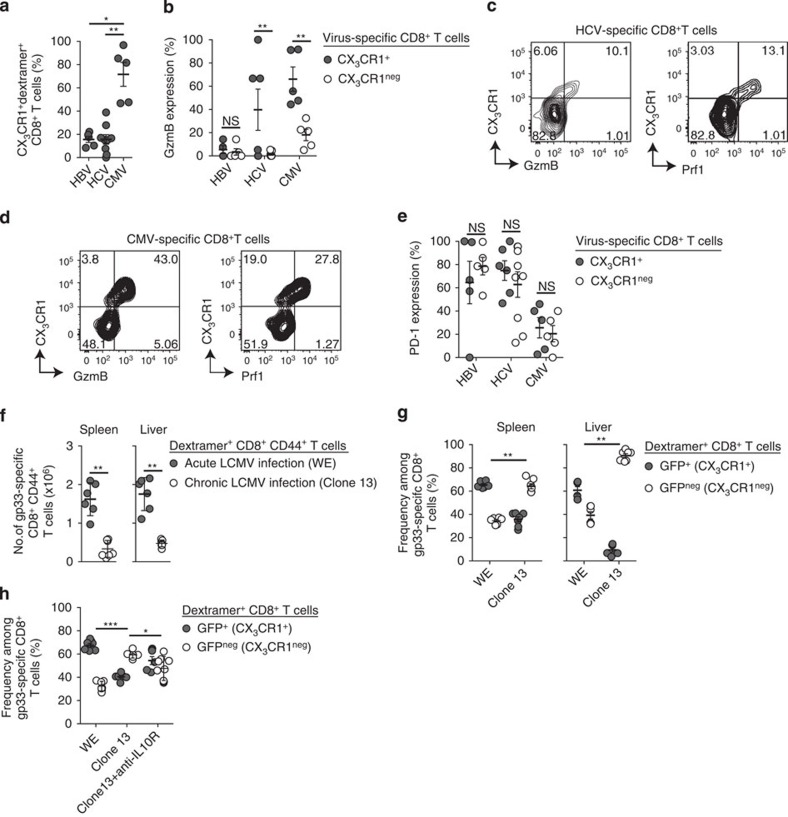
Localization of memory CD8(+) T cells to lymphoid or peripheral tissues is believed to correlate with proliferative capacity or effector function. Here we demonstrate that the fractalkine-receptor/CX3CR1 distinguishes memory CD8(+) T cells with cytotoxic effector function from those with proliferative capacity, independent of tissue-homing properties. CX3CR1-based transcriptome and proteome-profiling defines a core signature of memory CD8(+) T cells with effector function. We find CD62L(hi)CX3CR1(+) memory T cells that reside within lymph nodes. This population shows distinct migration patterns and positioning in proximity to pathogen entry sites. Virus-specific CX3CR1(+) memory CD8(+) T cells are scarce during chronic infection in humans and mice but increase when infection is controlled spontaneously or by therapeutic intervention. This CX3CR1-based functional classification will help to resolve the principles of protective CD8(+) T-cell memory.
Figures
References
-
- Harty J. T., Tvinnereim A. R. & White D. W. CD8+ T cell effector mechanisms in resistance to infection. Annu. Rev. Immunol. 18, 275–308 (2000) . - PubMed
-
- Welsh R. M., Selin L. K. & Szomolanyi-Tsuda E. Immunological memory to viral infections. Annu. Rev. Immunol. 22, 711–743 (2004) . - PubMed
-
- Utzschneider D. T. et al. T cells maintain an exhausted phenotype after antigen withdrawal and population reexpansion. Nat. Immunol. 14, 603–610 (2013) . - PubMed
-
- Sallusto F., Lenig D., Forster R., Lipp M. & Lanzavecchia A. Two subsets of memory T lymphocytes with distinct homing potentials and effector functions. Nature 401, 708–712 (1999) . - PubMed
Publication types
MeSH terms
Substances
Associated data
- Actions
LinkOut - more resources
Full Text Sources
Other Literature Sources
Molecular Biology Databases
Research Materials
