


Staging presymptomatic type 1 diabetes: a scientific statement of JDRF, the Endocrine Society, and the American Diabetes Association
- PMID: 26404926
- PMCID: PMC5321245
- DOI: 10.2337/dc15-1419
Staging presymptomatic type 1 diabetes: a scientific statement of JDRF, the Endocrine Society, and the American Diabetes Association
Abstract
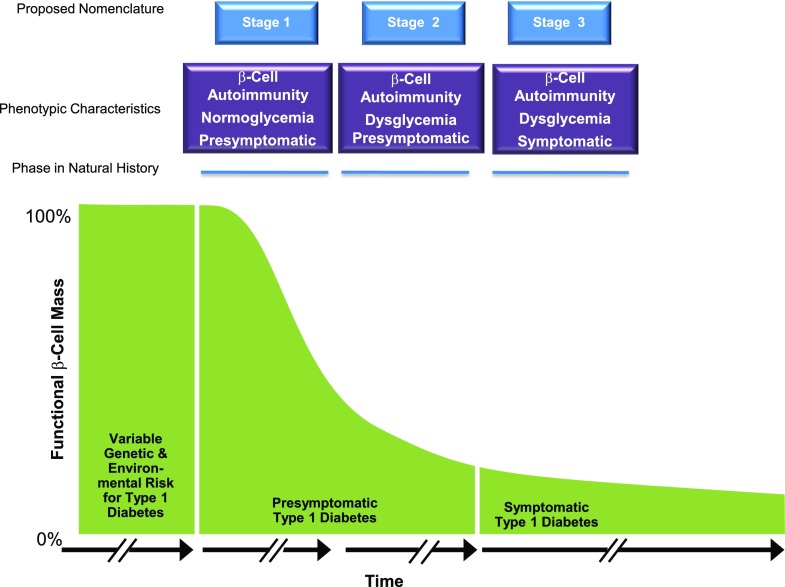
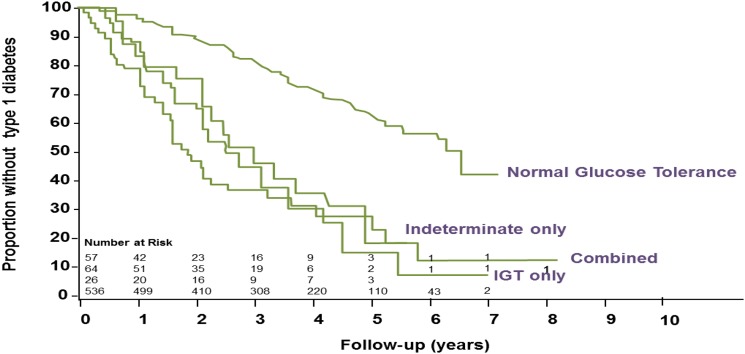
Insights from prospective, longitudinal studies of individuals at risk for developing type 1 diabetes have demonstrated that the disease is a continuum that progresses sequentially at variable but predictable rates through distinct identifiable stages prior to the onset of symptoms. Stage 1 is defined as the presence of β-cell autoimmunity as evidenced by the presence of two or more islet autoantibodies with normoglycemia and is presymptomatic, stage 2 as the presence of β-cell autoimmunity with dysglycemia and is presymptomatic, and stage 3 as onset of symptomatic disease. Adoption of this staging classification provides a standardized taxonomy for type 1 diabetes and will aid the development of therapies and the design of clinical trials to prevent symptomatic disease, promote precision medicine, and provide a framework for an optimized benefit/risk ratio that will impact regulatory approval, reimbursement, and adoption of interventions in the early stages of type 1 diabetes to prevent symptomatic disease.
© 2015 by the American Diabetes Association. Readers may use this article as long as the work is properly cited, the use is educational and not for profit, and the work is not altered.
Figures
References
-
- Eisenbarth GS. Type I diabetes mellitus. A chronic autoimmune disease. N Engl J Med 1986;314:1360–1368 - PubMed
-
- Atkinson MA, Eisenbarth GS. Type 1 diabetes: new perspectives on disease pathogenesis and treatment. Lancet 2001;358:221–229 - PubMed
-
- Diabetes Prevention Trial–Type 1 Diabetes Study Group Effect of insulin in relatives of patients with type 1 diabetes mellitus. N Engl J Med 2002;346:1685–1691 - PubMed
-
- Hagopian WA, Lernmark A, Rewers MJ, et al. . TEDDY—The Environmental Determinants of Diabetes in the Young: an observational clinical trial. Ann N Y Acad Sci 2006;1079:320–326 - PubMed
Publication types
MeSH terms
Substances
Grants and funding
LinkOut - more resources
Full Text Sources
Other Literature Sources
Medical
