


Impaired Synthesis of Stromal Components in Response to Minnelide Improves Vascular Function, Drug Delivery, and Survival in Pancreatic Cancer
- PMID: 26405195
- PMCID: PMC4716007
- DOI: 10.1158/1078-0432.CCR-15-1155
Impaired Synthesis of Stromal Components in Response to Minnelide Improves Vascular Function, Drug Delivery, and Survival in Pancreatic Cancer
Abstract
Purpose: Pancreatic cancer stromal microenvironment is considered to be the major reason for failure of conventional and targeted therapy for this disease. The desmoplastic stroma, comprising mainly collagen and glycosaminoglycans like hyaluronan (HA), is responsible for compression of vasculature in the tumor resulting in impaired drug delivery and poor prognosis. Minnelide, a water-soluble prodrug of triptolide currently in phase I clinical trial, has been very effective in multiple animal models of pancreatic cancer. However, whether Minnelide will have efficacious delivery into the tumor despite the desmoplastic stroma has not been evaluated before.
Experiment design: Patient tumor-derived xenografts (PDX) and spontaneous pancreatic cancer mice were treated with 0.42 and 0.21 mg/kg body weight for 30 days. Stromal components were determined by IHC and ELISA-based assays. Vascular functionality and drug delivery to the tumor were assessed following treatment with Minnelide.
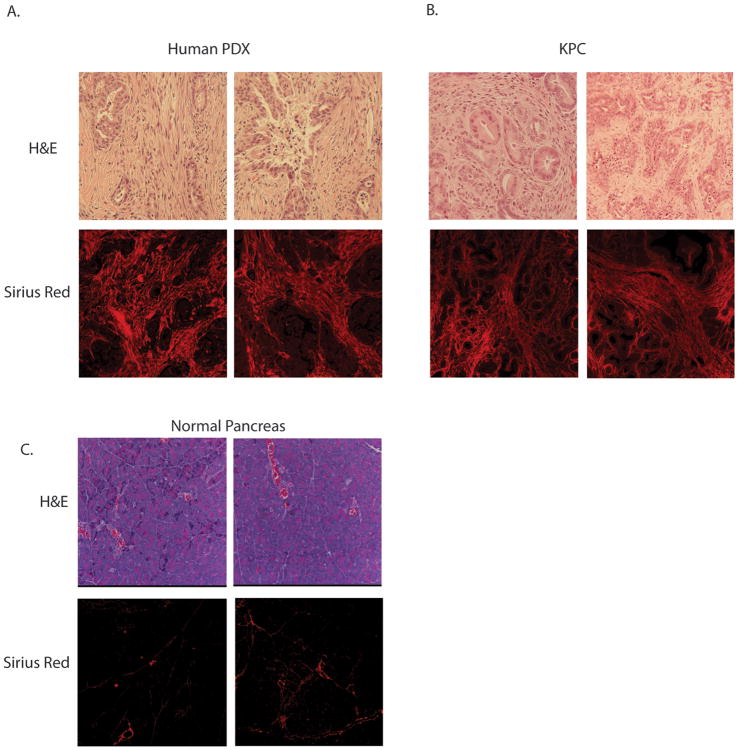
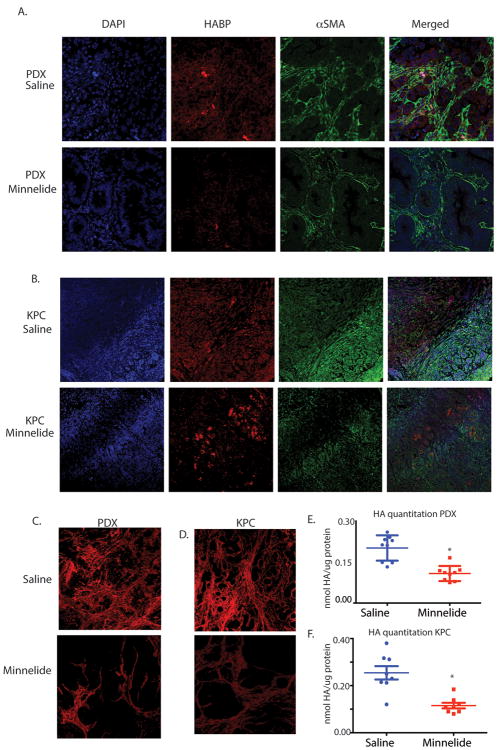
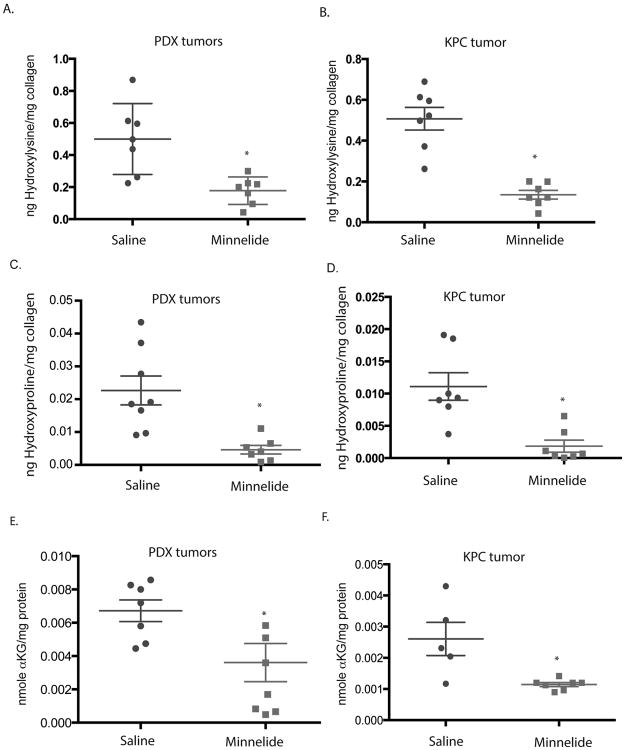
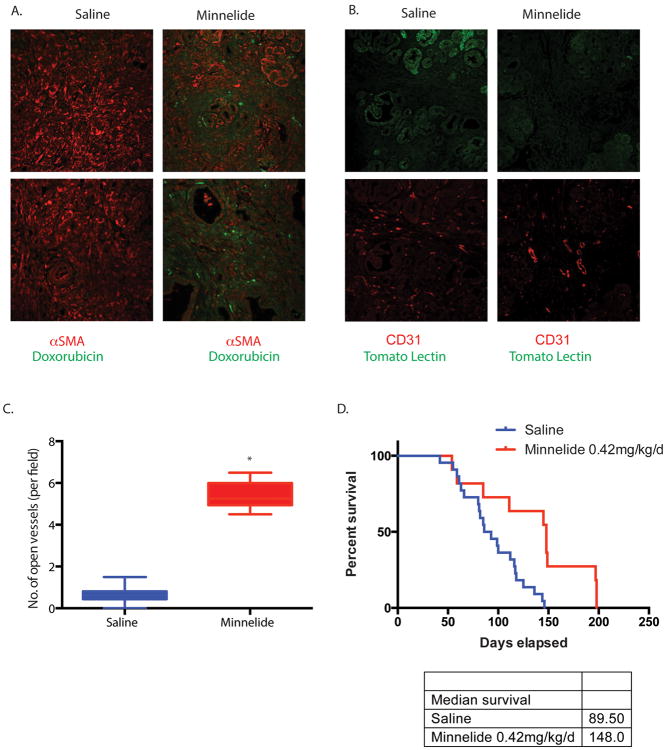
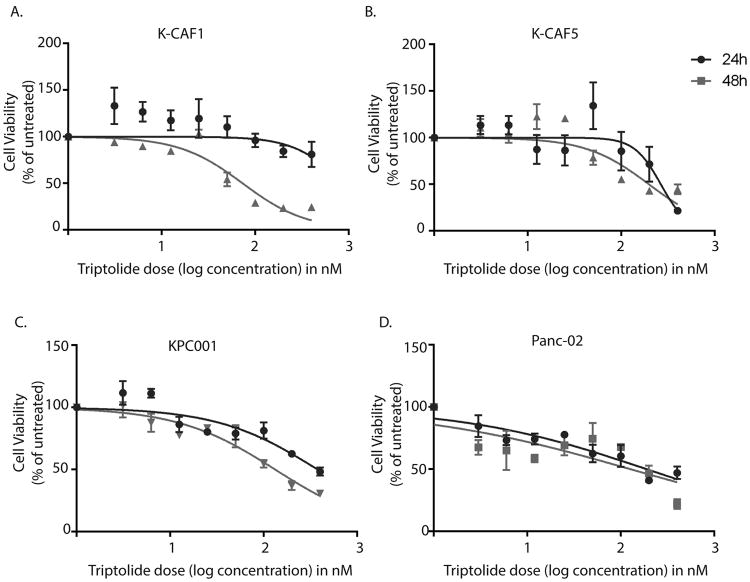
Result: Our current study shows that treatment with Minnelide resulted in reduction of ECM components like HA and collagen in the pancreatic cancer stroma of both the spontaneous KPC mice as well as in patient tumor xenografts. Furthermore, treatment with Minnelide improved functional vasculature in the tumors resulting in four times more functional vessels in the treated animals compared with untreated animals. Consistent with this observation, Minnelide also resulted in increased drug delivery into the tumor compared with untreated animals. Along with this, Minnelide also decreased viability of the stromal cells along with the tumor cells in pancreatic adenocarcinoma.
Conclusions: In conclusion, these results are extremely promising as they indicate that Minnelide, along with having anticancer effects is also able to deplete stroma in pancreatic tumors, which makes it an effective therapy for pancreatic cancer.
©2015 American Association for Cancer Research.
Conflict of interest statement
Figures
References
-
- Jemal A, Bray F, Center MM, Ferlay J, Ward E, Forman D. Global cancer statistics. CA Cancer J Clin. 2011;61:69–90. - PubMed
-
- Jemal A, Siegel R, Xu J, Ward E. Cancer statistics, 2010. CA: a cancer journal for clinicians. 2010;60:277–300. - PubMed
-
- Neesse A, Michl P, Frese KK, Feig C, Cook N, Jacobetz MA, et al. Stromal biology and therapy in pancreatic cancer. Gut. 2011;60:861–8. - PubMed
Publication types
MeSH terms
Substances
Grants and funding
LinkOut - more resources
Full Text Sources
Medical
