


Nanotechnology: A Revolution in Cancer Diagnosis
- PMID: 26405378
- PMCID: PMC4577517
- DOI: 10.1007/s12291-012-0221-z
Nanotechnology: A Revolution in Cancer Diagnosis
Abstract
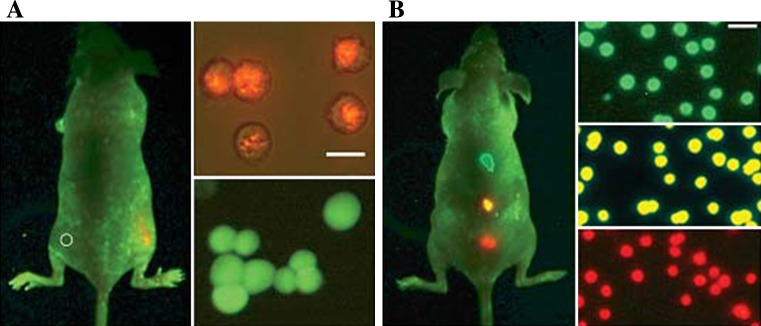
Nanotechnology has brought revolution in cancer detection and treatment. It has capability to detect even a single cancerous cell in vivo and deliver the highly toxic drugs to the cancerous cells. Nanoshells, carbon nanotubes, quantum dots, supermagnetic nanoparticles, nano wires, nanodiamonds, dandrimers, and recently synthesized nanosponges are some of the materials used for cancer detection. Using specific cross linkers, such as specific antibodies against cancer cells individual cancer cells can be located. With the aid of a novel set of lipid-coated, targeted quantum dots a method for quantifying multiple specific biomarkers on the surfaces of individual cancer cells was also developed. This approach to quantitative biomarker detection stands to improve the histopathology methods used to diagnosis pancreatic and other cancers and enable the development of methods to spot cancer cells circulating in the blood stream. Certain nano materials can also deliver cancer drugs at the site so the drug toxicity can also be reduced.
Keywords: Nano-tubes and wires; Nanocensers; Nanoparticles; Nanosponges; Quantum dots.
Figures
References
-
- Ranjita M, Sarbari A, Sanjeeb KS. Cancer nanotechnology: application of nanotechnology in cancer therapy. Drug Discovery Today. 2010;15:19–20. - PubMed
Publication types
LinkOut - more resources
Full Text Sources