


Genetic Diversity in the Lesser Antilles and Its Implications for the Settlement of the Caribbean Basin
- PMID: 26447794
- PMCID: PMC4598113
- DOI: 10.1371/journal.pone.0139192
Genetic Diversity in the Lesser Antilles and Its Implications for the Settlement of the Caribbean Basin
Abstract
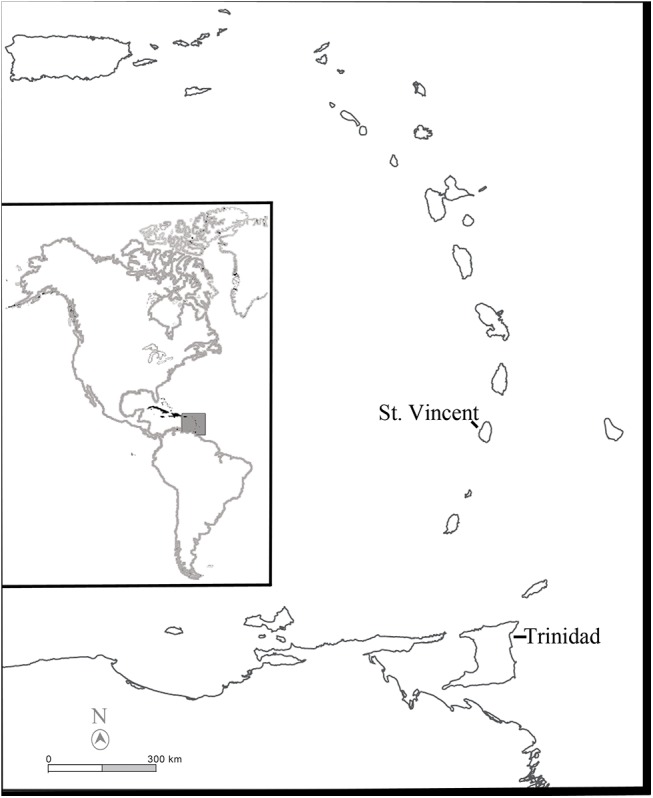
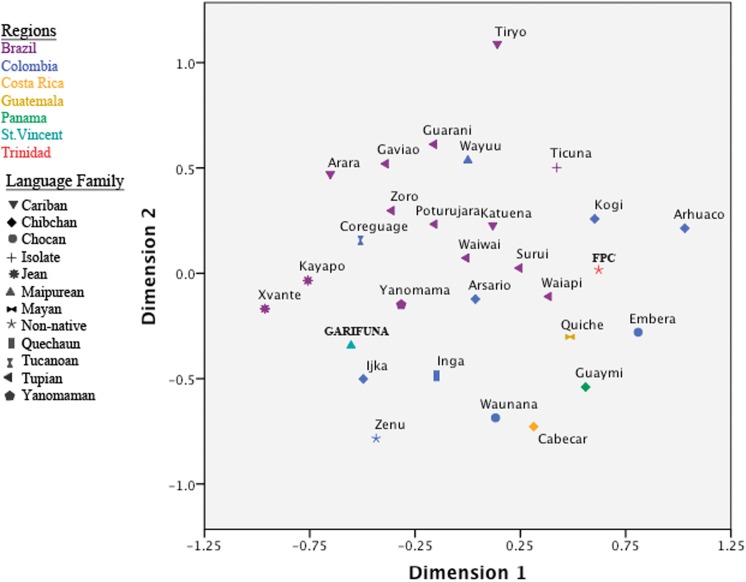
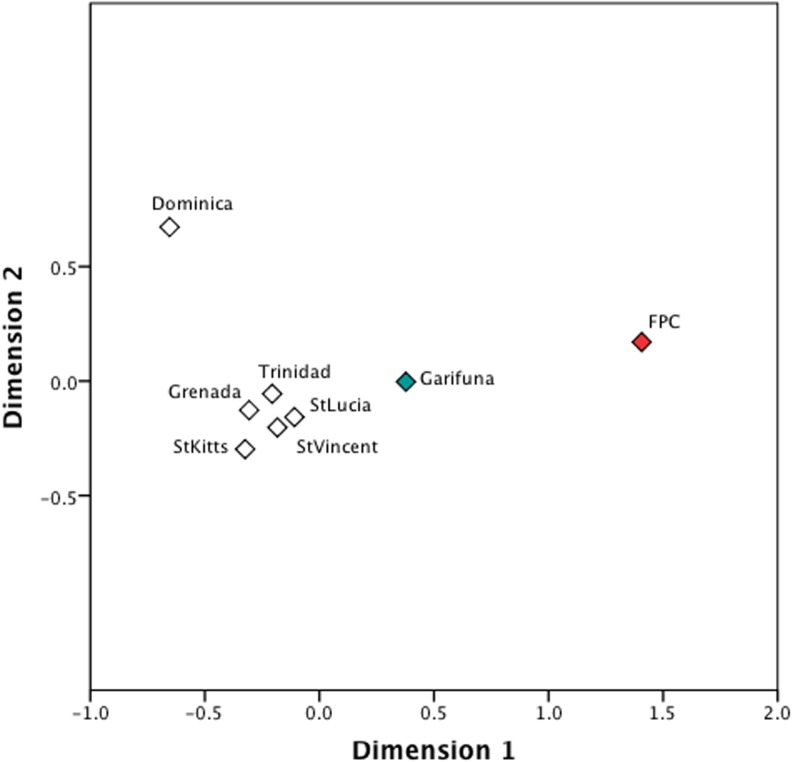
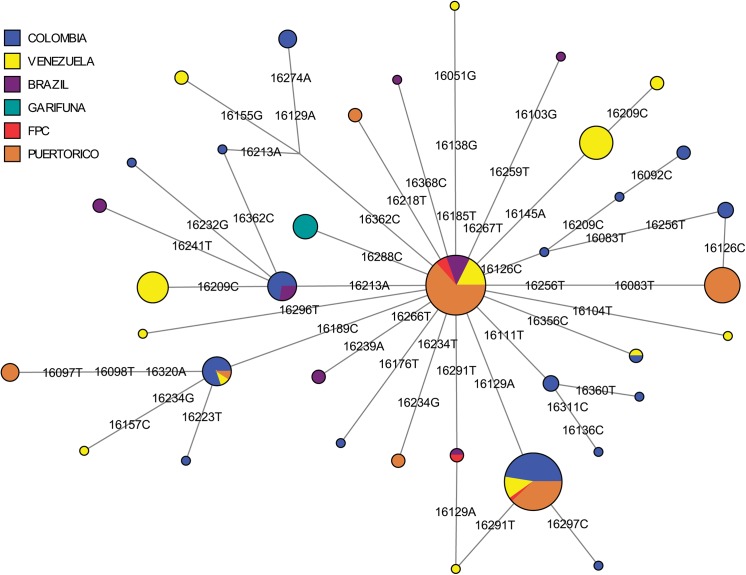
Historical discourses about the Caribbean often chronicle West African and European influence to the general neglect of indigenous people's contributions to the contemporary region. Consequently, demographic histories of Caribbean people prior to and after European contact are not well understood. Although archeological evidence suggests that the Lesser Antilles were populated in a series of northward and eastern migratory waves, many questions remain regarding the relationship of the Caribbean migrants to other indigenous people of South and Central America and changes to the demography of indigenous communities post-European contact. To explore these issues, we analyzed mitochondrial DNA and Y-chromosome diversity in 12 unrelated individuals from the First Peoples Community in Arima, Trinidad, and 43 unrelated Garifuna individuals residing in St. Vincent. In this community-sanctioned research, we detected maternal indigenous ancestry in 42% of the participants, with the remainder having haplotypes indicative of African and South Asian maternal ancestry. Analysis of Y-chromosome variation revealed paternal indigenous American ancestry indicated by the presence of haplogroup Q-M3 in 28% of the male participants from both communities, with the remainder possessing either African or European haplogroups. This finding is the first report of indigenous American paternal ancestry among indigenous populations in this region of the Caribbean. Overall, this study illustrates the role of the region's first peoples in shaping the genetic diversity seen in contemporary Caribbean populations.
Conflict of interest statement
Figures
References
-
- CARICOM SS. CARICOM Statistics, Mid-year population Georgetown, Guyana: Caribbean Community Secretariat; 2011.
-
- Sued-Badillo J, editor. Autochthonous Societies. Paris: UNESCO Publishing/ Macmillan Publishers Ltd; 2003.
-
- Fitzpatrick SM. Verification of an Archaic Age Occupation on Barbados, Southern Lesser Antilles. Radiocarbon. 2011; 53: 595–604.
-
- Willey GR. Prehistoric settlement patterns in the New World: Wenner-Gren Foundation for Anthropological research; 1956.
-
- Hagg WG. A Comparison of Arawak Sites in the Lesser Antilles In: First International Congress for the Study of Pre-Columbian Cultures of the Lesser Antilles, Part II Fort-De-France, Martinique: Société d’histoire de la Martinique; 1964. pp. 9–28.
Publication types
MeSH terms
Substances
LinkOut - more resources
Full Text Sources
Other Literature Sources
