


Galectin-1 Prevents Infection and Damage Induced by Trypanosoma cruzi on Cardiac Cells
- PMID: 26451839
- PMCID: PMC4599936
- DOI: 10.1371/journal.pntd.0004148
Galectin-1 Prevents Infection and Damage Induced by Trypanosoma cruzi on Cardiac Cells
Abstract
Background: Chronic Chagas cardiomyopathy caused by Trypanosoma cruzi is the result of a pathologic process starting during the acute phase of parasite infection. Among different factors, the specific recognition of glycan structures by glycan-binding proteins from the parasite or from the mammalian host cells may play a critical role in the evolution of the infection.
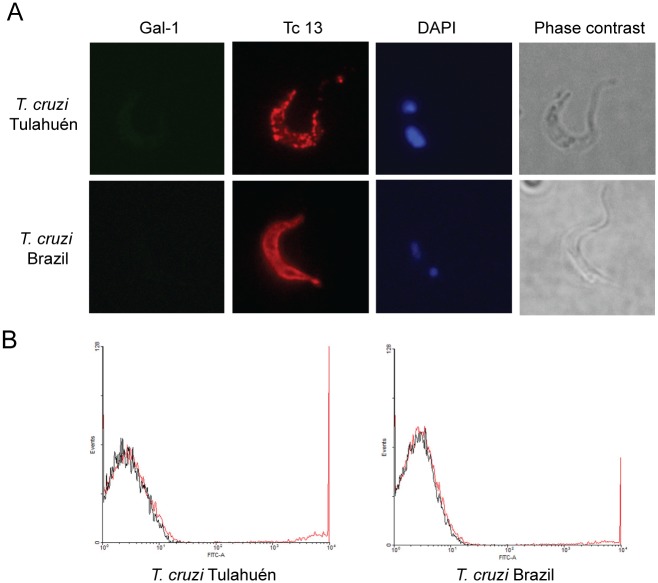
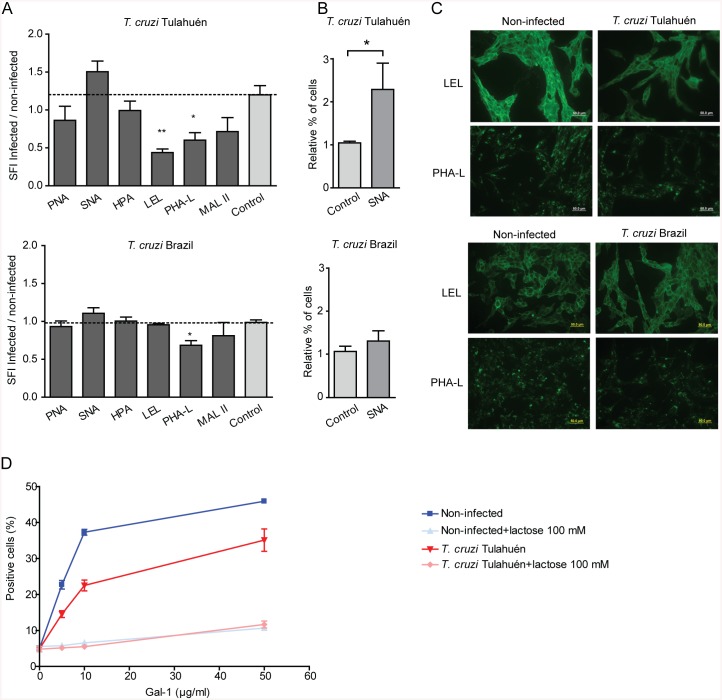
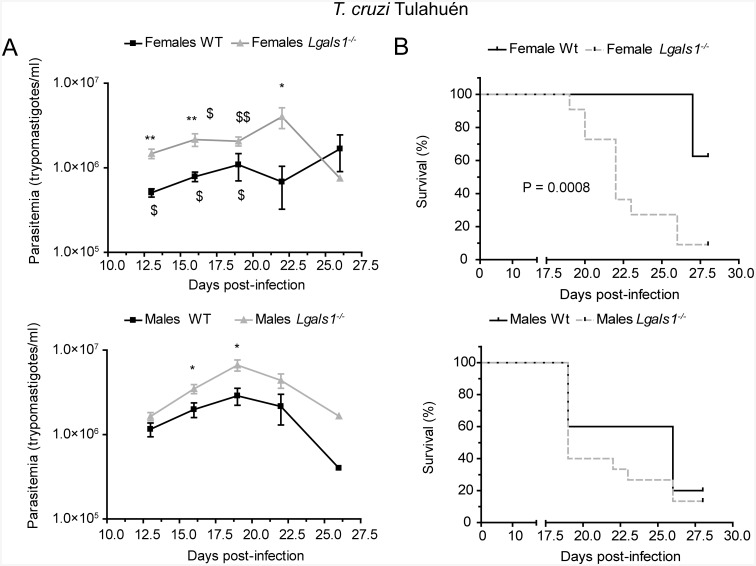
Methodology and principal findings: Here we investigated the contribution of galectin-1 (Gal-1), an endogenous glycan-binding protein abundantly expressed in human and mouse heart, to the pathophysiology of T. cruzi infection, particularly in the context of cardiac pathology. We found that exposure of HL-1 cardiac cells to Gal-1 reduced the percentage of infection by two different T. cruzi strains, Tulahuén (TcVI) and Brazil (TcI). In addition, Gal-1 prevented exposure of phosphatidylserine and early events in the apoptotic program by parasite infection on HL-1 cells. These effects were not mediated by direct interaction with the parasite surface, suggesting that Gal-1 may act through binding to host cells. Moreover, we also observed that T. cruzi infection altered the glycophenotype of cardiac cells, reducing binding of exogenous Gal-1 to the cell surface. Consistent with these data, Gal-1 deficient (Lgals1-/-) mice showed increased parasitemia, reduced signs of inflammation in heart and skeletal muscle tissues, and lower survival rates as compared to wild-type (WT) mice in response to intraperitoneal infection with T. cruzi Tulahuén strain.
Conclusion/significance: Our results indicate that Gal-1 modulates T. cruzi infection of cardiac cells, highlighting the relevance of galectins and their ligands as regulators of host-parasite interactions.
Conflict of interest statement
The authors have declared that no competing interests exist.
Figures




References
-
- Moncayo A, Silveira AC. Current epidemiological trends for Chagas disease in Latin America and future challenges in epidemiology, surveillance and health policy. Mem Inst Oswaldo Cruz. 2009; 104: 17–30. - PubMed
-
- World Health Organization. Chagas disease: control and elimination. UNDP/World Bank/WHO. http://apps.who.int/gb/ebwha/pdf_files/WHA63/A63_17-en.pdf. (Accessed 2011 Nov 9); 2010.
-
- Coura JR, Viñas PA. Chagas disease: a new worldwide challenge. Nature. 2010; 465: 56–57 - PubMed
-
- Alves MJ, Colli W. Trypanosoma cruzi: adhesion to the host cell and intracellular survival. IUBMB Life. 2007; 59: 274–279. - PubMed
Publication types
MeSH terms
Substances
LinkOut - more resources
Full Text Sources
Other Literature Sources
Medical
Research Materials
Miscellaneous
