


Mapping the Ethics of Translational Genomics: Situating Return of Results and Navigating the Research-Clinical Divide
- PMID: 26479558
- PMCID: PMC4620583
- DOI: 10.1111/jlme.12291
Mapping the Ethics of Translational Genomics: Situating Return of Results and Navigating the Research-Clinical Divide
Abstract
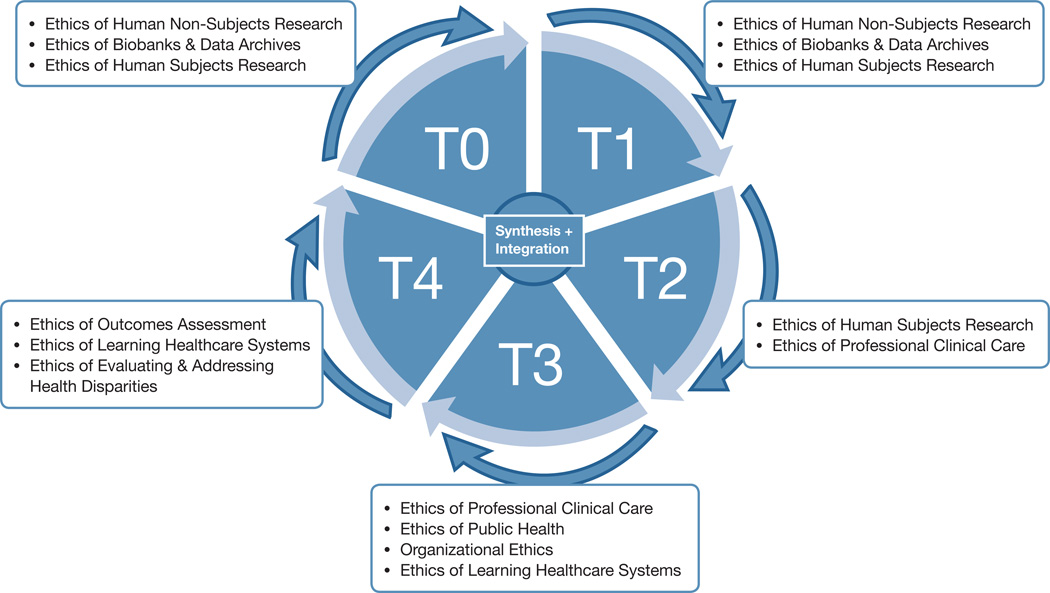
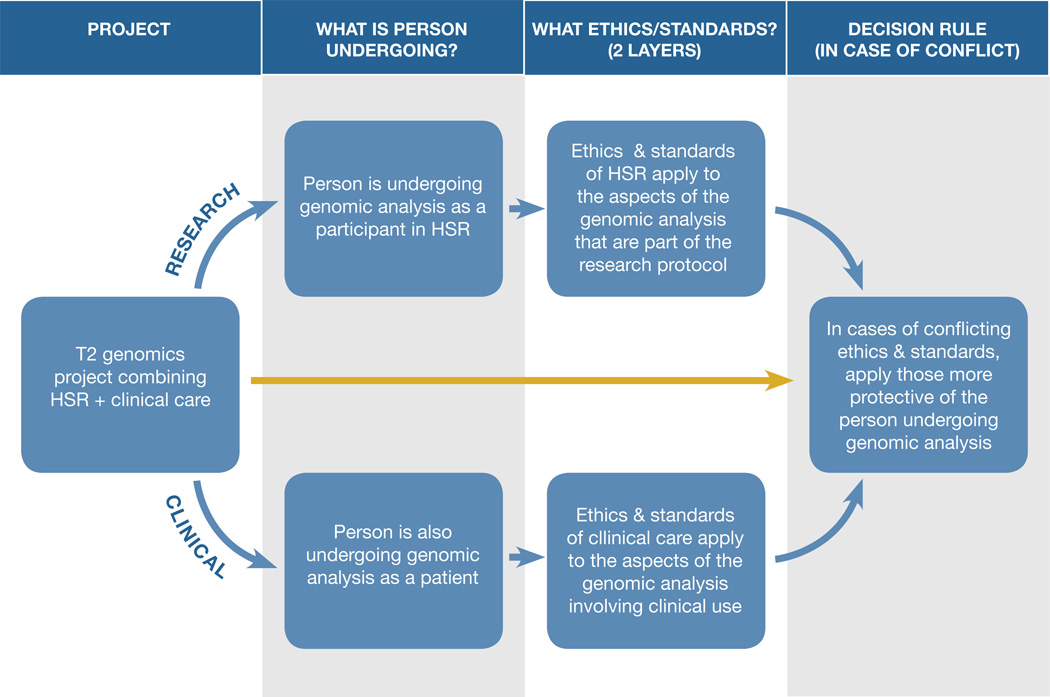
Both bioethics and law have governed human genomics by distinguishing research from clinical practice. Yet the rise of translational genomics now makes this traditional dichotomy inadequate. This paper pioneers a new approach to the ethics of translational genomics. It maps the full range of ethical approaches needed, proposes a "layered" approach to determining the ethics framework for projects combining research and clinical care, and clarifies the key role that return of results can play in advancing translation.
© 2015 American Society of Law, Medicine & Ethics, Inc.
Figures
References
-
-
See Wolf SM, et al. Managing Incidental Findings in Human Subjects Research: Analysis and Recommendations. Journal of Law, Medicine & Ethics. 2008;36(2):219–248.
-
-
- Green RC, et al. ACMG Recommendations for Reporting of Incidental Findings in Clinical Exome and Genome Sequencing. Genetics in Medicine. 2013;15(7):565–574. - PMC - PubMed
- American College of Medical Genetics and Genomics (ACMG) Incidental Findings in Clinical Genomics: A Clarification. Genetics in Medicine. 2013;15(8):664–666. - PubMed
-
-
See, e.g., Burke W, et al. Recommendations for Returning Genomic Incidental Findings? We Need to Talk! Genetics in Medicine. 2013;15(11):854–859. McGuire AL, et al. Ethics and Genomic Incidental Findings. Science. 2013;340(6136):1047–1048. Wolf SM, Annas GJ, Elias S. Patient Autonomy and Incidental Findings in Clinical Genomics. Science. 2013;340(6136):1049–1050.
-
-
- ACMG Board of Directors. ACMG Policy Statement: Updated Recommendations Regarding Analysis and Reporting of Secondary Findings in Clinical Genome-Scale Sequencing. Genetics in Medicine. 2015;17(1):68–69. - PubMed
-
- Anticipate and Communicate: Ethical Management of Incidental and Secondary Findings in the Clinical, Research, and Direct-to-Consumer Contexts. Washington, D.C.: Presidential Commission for the Study of Bioethical Issues; 2013. [last visited January 13, 2015]. Presidential Commission for the Study of Bioethical Issues. at < http://bioethics.gov/node/3169>. - PubMed
Publication types
MeSH terms
Grants and funding
LinkOut - more resources
Full Text Sources