


Diverse and abundant multi-drug resistant E. coli in Matang mangrove estuaries, Malaysia
- PMID: 26483759
- PMCID: PMC4586456
- DOI: 10.3389/fmicb.2015.00977
Diverse and abundant multi-drug resistant E. coli in Matang mangrove estuaries, Malaysia
Abstract
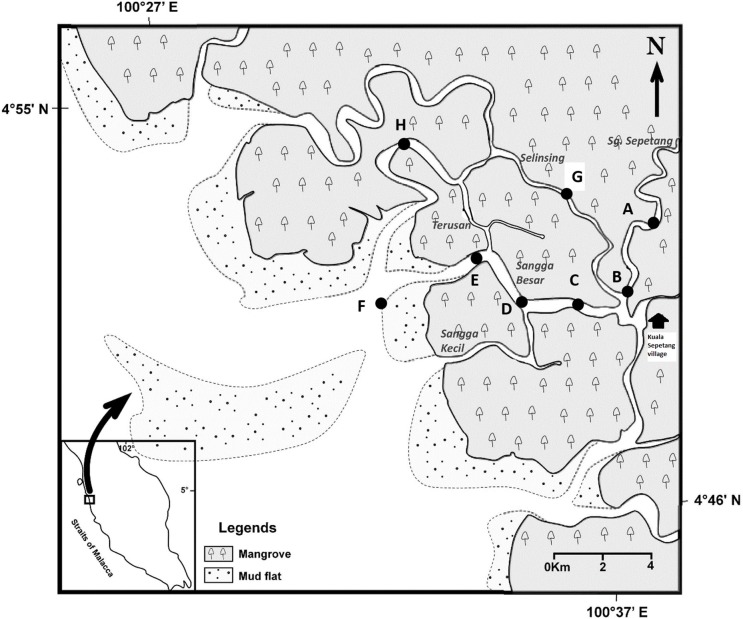
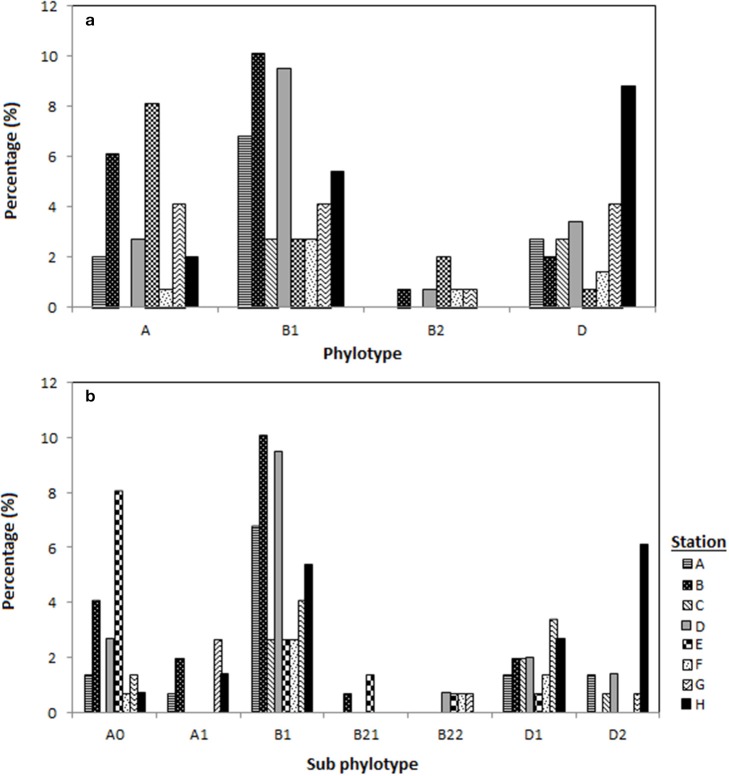
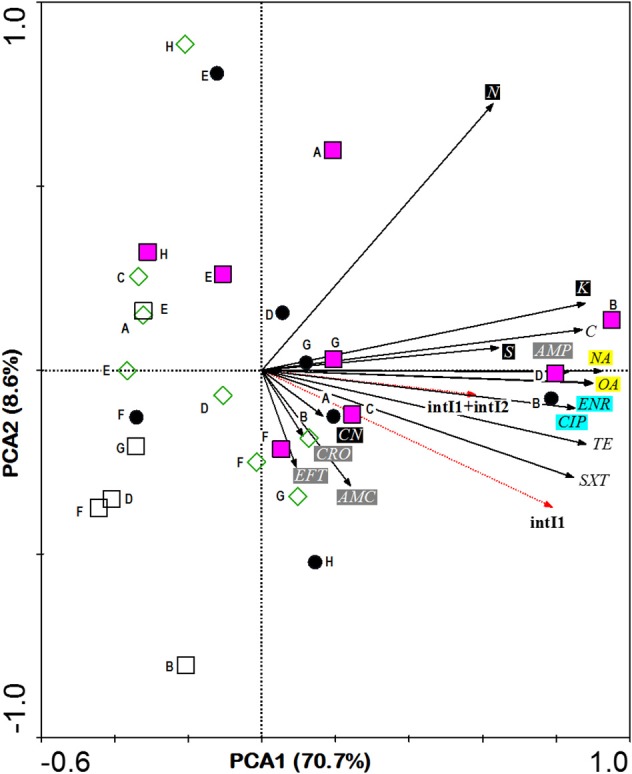
E.coli, an important vector distributing antimicrobial resistance in the environment, was found to be multi-drug resistant, abundant, and genetically diverse in the Matang mangrove estuaries, Malaysia. One-third (34%) of the estuarine E. coli was multi-drug resistant. The highest antibiotic resistance prevalence was observed for aminoglycosides (83%) and beta-lactams (37%). Phylogenetic groups A and B1, being the most predominant E. coli, demonstrated the highest antibiotic resistant level and prevalence of integrons (integron I, 21%; integron II, 3%). Detection of phylogenetic group B23 downstream of fishing villages indicates human fecal contamination as a source of E. coli pollution. Enteroaggregative E. coli (1%) were also detected immediately downstream of the fishing village. The results indicated multi-drug resistance among E. coli circulating in Matang estuaries, which could be reflective of anthropogenic activities and aggravated by bacterial and antibiotic discharges from village lack of a sewerage system, aquaculture farms and upstream animal husbandry.
Keywords: E. coli; Matang mangrove estuaries; antibiotic resistance; phylogenetic groups.
Figures
References
-
- Ariffin R., Nik Mustafa N. M. S. (eds.). (2013). A Working Plan for the Matang Mangrove Forest Reserve, Perak. 6th Revision. Ipoh: Perak State Forestry Department.
-
- Bingen E., Picard B., Brahimi N., Mathy S., Desjardins P., Elion J., et al. . (1998). Phylogenetic analysis of Escherichia coli strains causing neonatal meningitis suggests horizontal genetransfer from a predominant pool of highly virulent B2 group strain. J. Infect. Dis. 177, 642–650. 10.1086/514217 - DOI - PubMed
LinkOut - more resources
Full Text Sources
Other Literature Sources
