


Adjustability and Adaptability Are Critical Characteristics of Pediatric Support Surfaces
- PMID: 26487980
- PMCID: PMC4593893
- DOI: 10.1089/wound.2015.0639
Adjustability and Adaptability Are Critical Characteristics of Pediatric Support Surfaces
Abstract
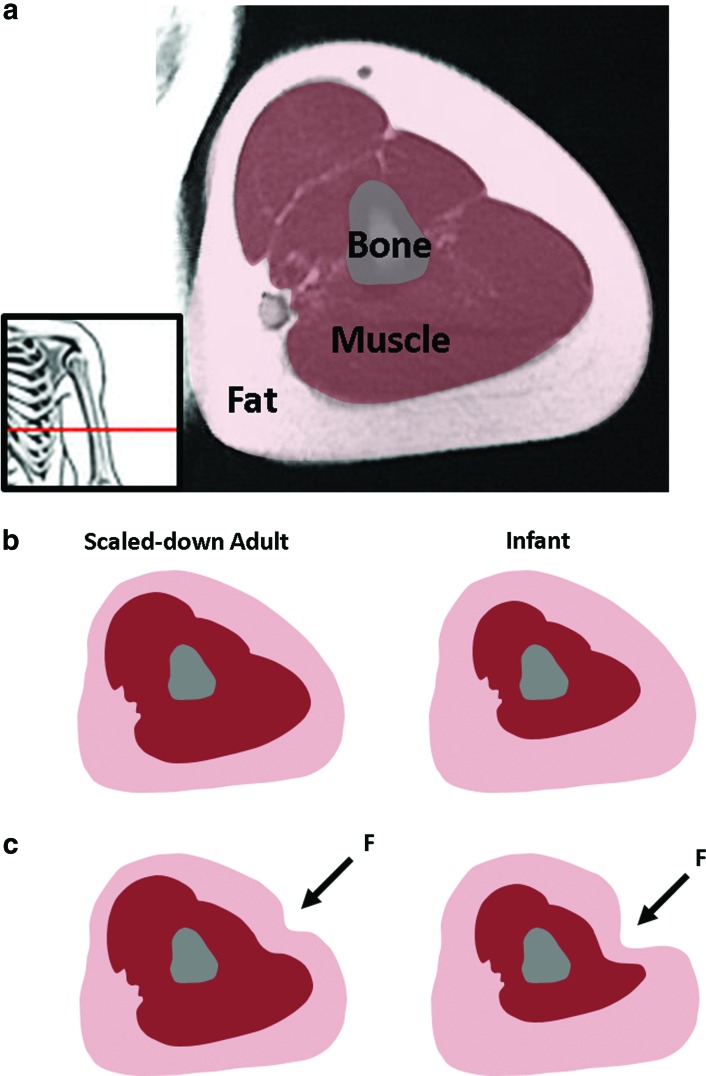
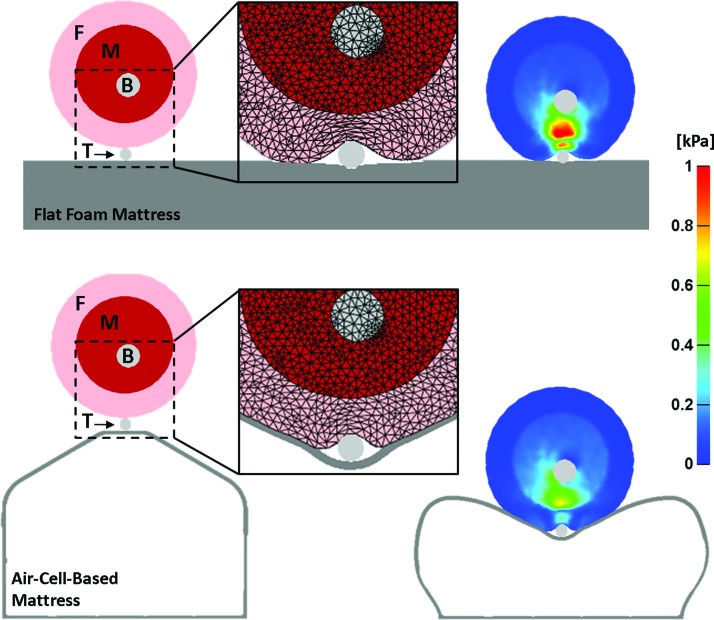
Significance: Pressure ulcers (PUs) in newborns and children are remarkably different from those in adults, both in their possible causal factors and in the etiology and biomechanical pathways for tissue damage. Recent Advances: Pediatric muscle and fat tissue structures are overall softer than those of adults, making newborns and young children more susceptible to deformation-inflicted injuries at their weight-bearing soft tissues. Critical Issues: The unique medical environment of neonatal and pediatric intensive care units, which is overloaded with medical devices, wiring, tubing, electrodes, and so on, is, in fact, an extrinsic risk factor for device-related PUs, since accidently misplaced tubes, wires, or electrodes can become trapped between the skin and the mattress, causing large sustained soft tissue deformations around them. Future Directions: Mattresses that are being used in neonatal and pediatric intensive care units must be able to respond to frequent movements and changing positions and also be able to effectively adapt and conform around such misplaced tubing or wires, which might contact the body and deform soft tissues. We used computer simulations of a tube caught under a preterm neonate's arm in a supine position to illustrate what adaptability of the support surface means in such cases. Our present simulations indicate that an air-cell-based technology provides considerably better protection against PUs in such cases, as the air-cells are able to locally buckle and conform around objects that are stiffer than the pediatric tissues (e.g., wires, tubes, electrodes), which minimizes exposure to tissue deformations.
Figures

References
-
- National Pressure Ulcer Advisory Panel, European Pressure Ulcer Advisory Panel and Pan Pacific Pressure Injury Alliance. In: Haesler Emily, eds. Prevention and Treatment of Pressure Ulcers: Quick Reference Guide. Osborne Park, Western Australia: Cambridge Media, 2014
-
- Coleman S, Gorecki C, Nelson EA, et al. Patient risk factors for pressure ulcer development: systematic review. Int J Nurs Stud 2013;50:974–1003 - PubMed
-
- Baharestani MM, Ratliff CR. Pressure ulcers in neonates and children: an NPUAP white paper. Adv Skin Wound Care 2007;20:208–220 - PubMed
-
- VanGilder C, Macfarlane GD, Meyer S. Results of nine international pressure ulcer prevalence surveys: 1989 to 2005. Ostomy Wound Manage 2008;54:40–54 - PubMed
Publication types
LinkOut - more resources
Full Text Sources
Other Literature Sources
