. 2016 Mar 1;22(5):1161-72.
doi: 10.1158/1078-0432.CCR-15-1516. Epub 2015 Oct 21.

Systemic Tolerance Mediated by Melanoma Brain Tumors Is Reversible by Radiotherapy and Vaccination

Affiliations

Systemic Tolerance Mediated by Melanoma Brain Tumors Is Reversible by Radiotherapy and Vaccination

Christopher M Jackson et al. Clin Cancer Res. .

Abstract

Purpose: Immune responses to antigens originating in the central nervous system (CNS) are generally attenuated, as collateral damage can have devastating consequences. The significance of this finding for the efficacy of tumor-targeted immunotherapies is largely unknown.

Experimental design: The B16 murine melanoma model was used to compare cytotoxic responses against established tumors in the CNS and in the periphery. Cytokine analysis of tissues from brain tumor-bearing mice detected elevated TGFβ secretion from microglia and in the serum and TGFβ signaling blockade reversed tolerance of tumor antigen-directed CD8 T cells. In addition, a treatment regimen using focal radiation therapy and recombinant Listeria monocytogenes was evaluated for immunologic activity and efficacy in this model.

Results: CNS melanomas were more tolerogenic than equivalently progressed tumors outside the CNS as antigen-specific CD8 T cells were deleted and exhibited impaired cytotoxicity. Tumor-bearing mice had elevated serum levels of TGFβ; however, blocking TGFβ signaling with a small-molecule inhibitor or a monoclonal antibody did not improve survival. Conversely, tumor antigen-specific vaccination in combination with focal radiation therapy reversed tolerance and improved survival. This treatment regimen was associated with increased polyfunctionality of CD8 T cells, elevated T effector to T regulatory cell ratios, and decreased TGFβ secretion from microglia.

Conclusions: These data suggest that CNS tumors may impair systemic antitumor immunity and consequently accelerate cancer progression locally as well as outside the CNS, whereas antitumor immunity may be restored by combining vaccination with radiation therapy. These findings are hypothesis-generating and warrant further study in contemporary melanoma models as well as human trials.


Figures

Figure 1
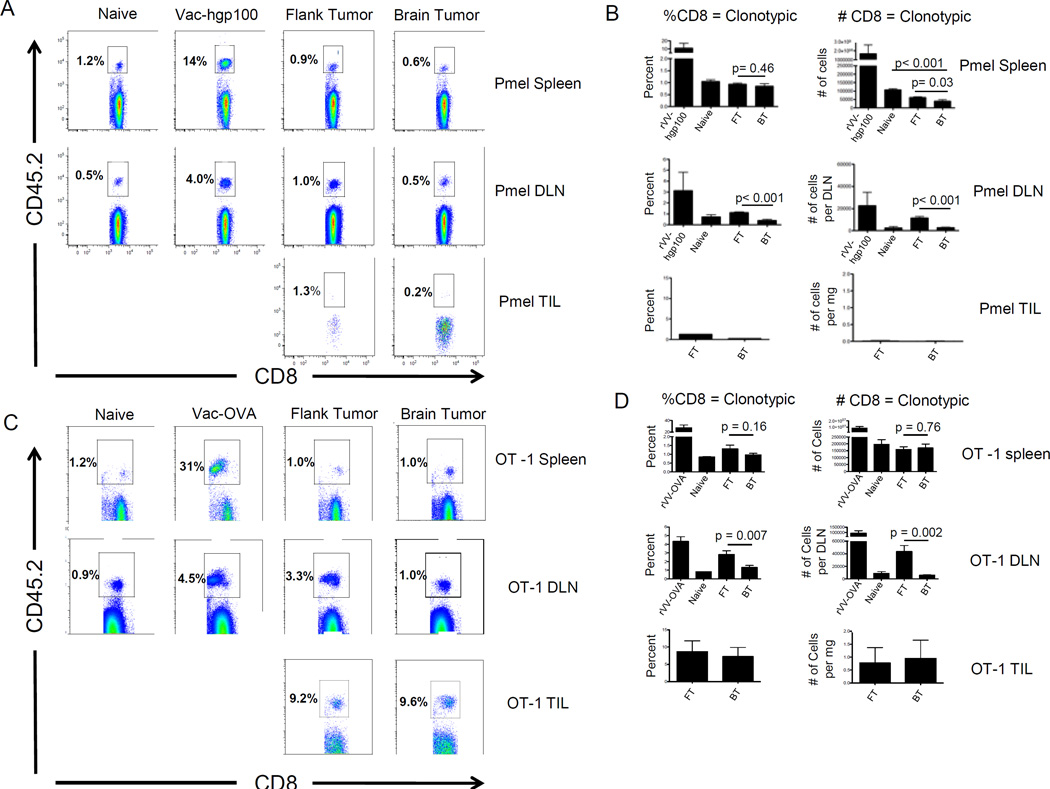
Figure 1. Adoptively transferred tumor antigen-specific CD8 T cells are tolerized by CNS melanoma
(A) Representative FACS plots of Pmel (CD45.2+) CD8 T cells isolated from spleens, brain tumor DLN, and TIL. (B) Summary graphs showing percentages and numbers of Pmel CD8 T cells. C) Representative FACS plots of the percentage of OT-1 (CD45.2+) CD8+ T cells isolated from spleens, brain tumor DLN, and TIL, animals bearing B16-OVA tumors. (D) Summary graphs showing percentages and numbers of CD8 T cells represented by the adoptively transferred OT-1 population. N = 5 mice / group, repeated × 3.
Figure 2
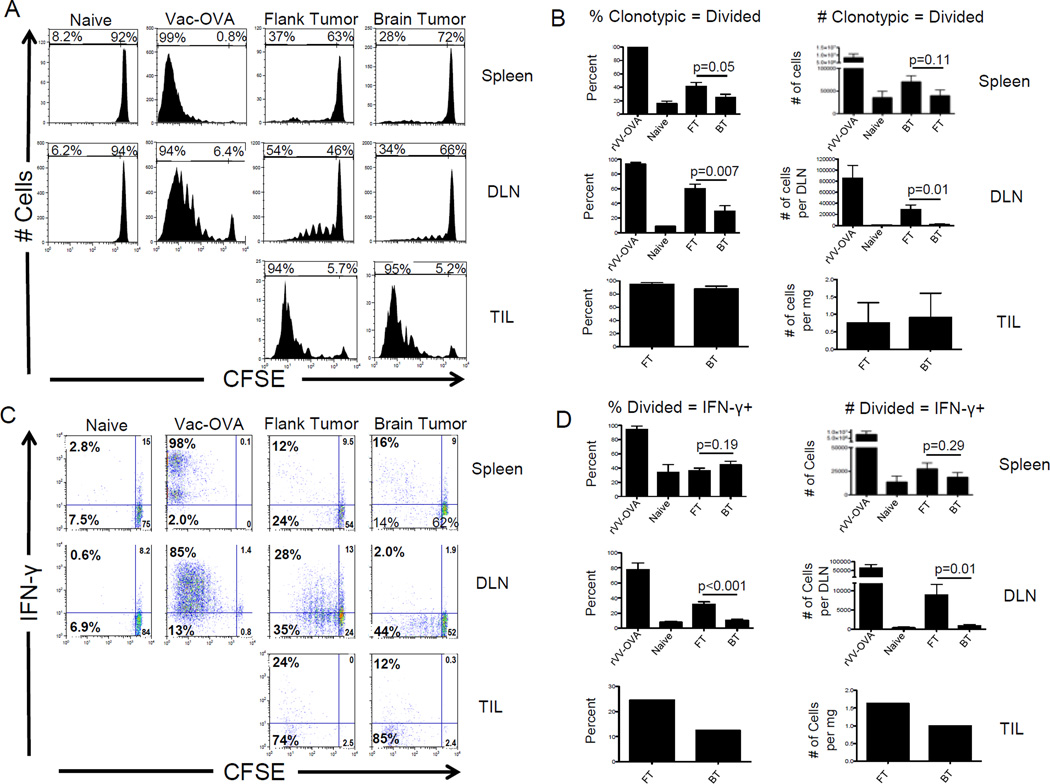
Figure 2. Tumor-specific CD8 T cells undergo fewer divisions and produce less IFN-γ in response to CNS melanoma as compared to equivalent flank tumors
(A) Representative histograms of CFSE in cancer-specific T cells (B) Summary graphs showing percentages and numbers of specifc T cells undergoing ≥ 1 division. (C) Representative FACS plots of division vs. IFN-γ. (D) Summary graphs showing percentages and numbers of divided cells producing IFN-γ. N = 5 mice/group, repeated × 3 with similar results.
Figure 3
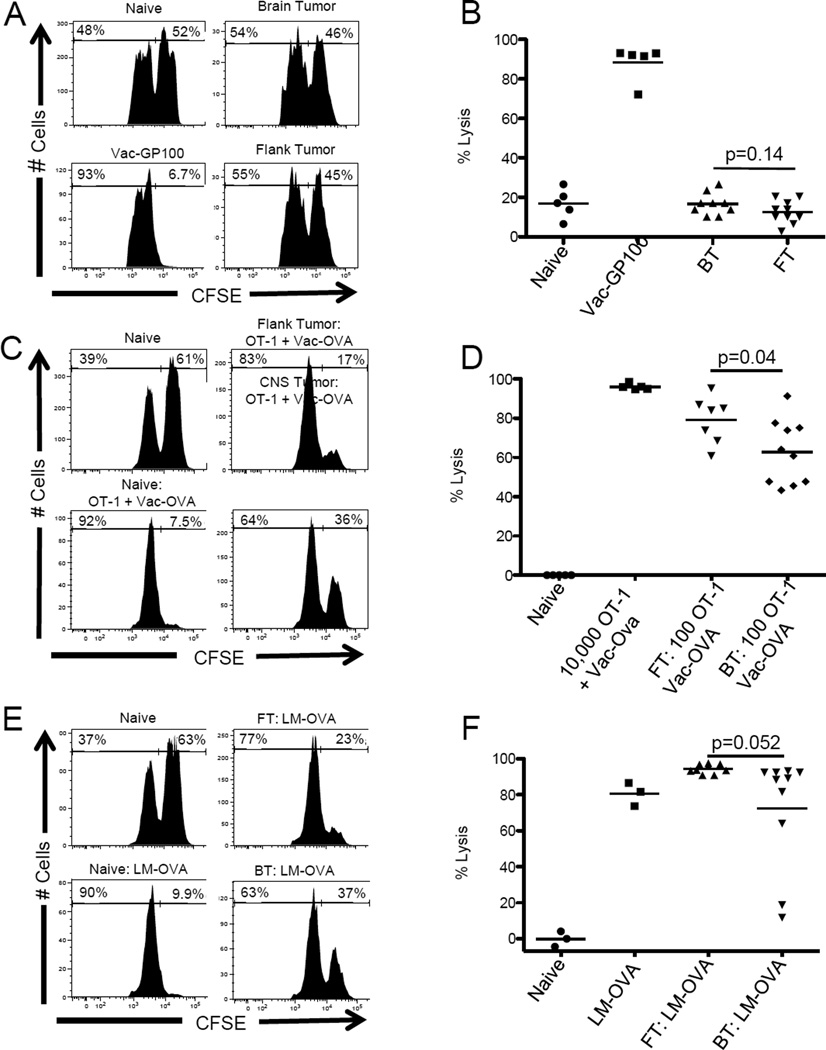
Figure 3. CNS melanoma impairs a systemic tumor-antigen directed lytic response
(A) Representative histograms showing numbers of peptide-pulsed (CSFE-high) and control (CFSE-low) cells recovered from unvaccinated mice bearing B16-OVA brain or flank tumors. (B) Summary graphs showing percent target lysis in unvaccinated mice with brain or flank tumors. Each data point represents one animal. (C) Representative histograms showing OVA-pulsed and control peaks in mice with B16-OVA brain or flank tumors after adoptive transfer of 100 OT-1 cells and vaccination with Vac-OVA. (D) Summary graphs showing percent target lysis in mice receiving adoptive transfer of 100 OT-1 cells and vaccination with Vac-OVA. (E) Representative histograms showing OVA-pulsed and control peaks in mice with B16-OVA brain and flank tumors after vaccination with LM-OVA. (F) Summary graphs showing percent target lysis in mice with B16-OVA brain and flank tumors after vaccination with LM-OVA. Experiments repeated × 2 with similar results. N = 3–10 animals per group.
Figure 4
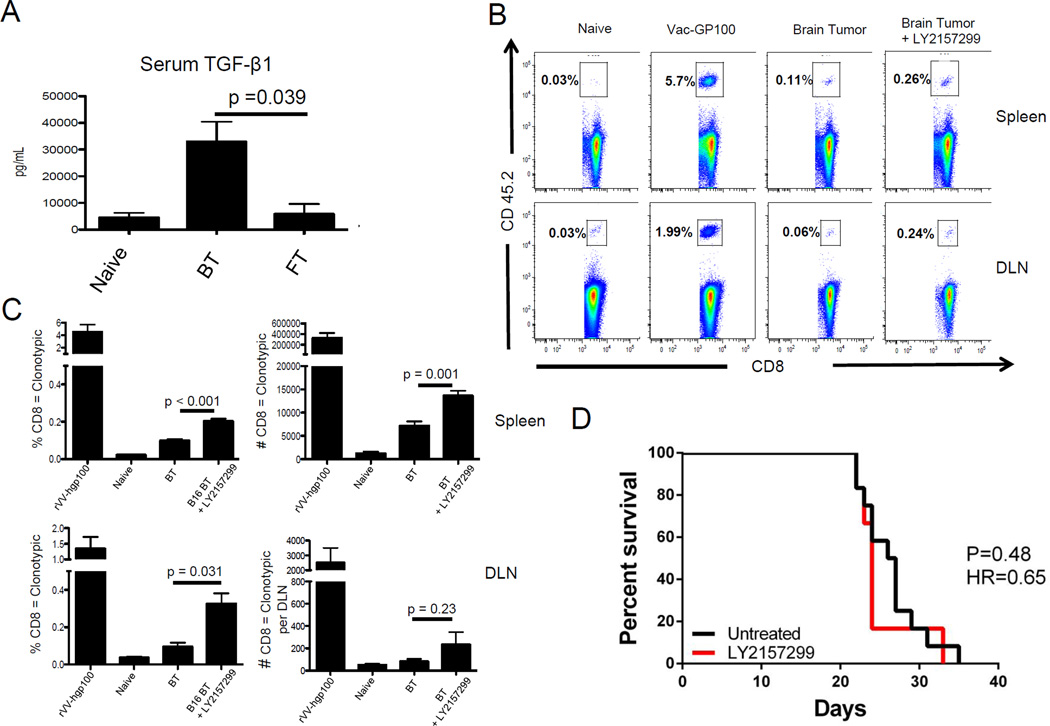
Figure 4. Elevated TGF-β1 is associated with systemic tolerance in animals with CNS melanoma
A) Concentration of TGF-β1 in serum of mice with B16 brain or flank tumors. (B) Representative FACS plots demonstrating the percentage of CD8 T cells represented by the adoptively transferred Pmel population in the spleen and cervical lymph nodes after treatment with LY2157299. (C) Summary graphs showing the percentage and number of adoptively transferred Pmel cells recovered from animals with CNS melanoma after treatment with LY2157299. D) Survival of animals with CNS melanoma treated with the TGF-β signaling inhibitor LY2157299. A–C = 5 animals / group, repeated × 2. D = 10 animals / group, repeated × 1.
Figure 5
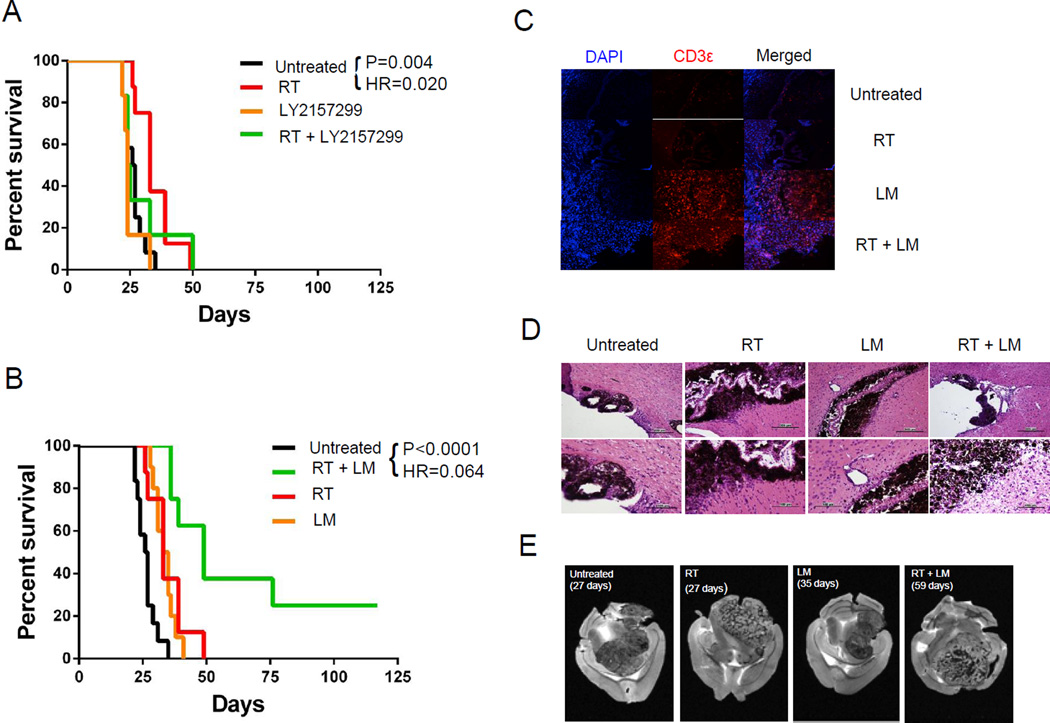
Figure 5. Combining focal RT with vaccination improves survival in mice with established CNS melanoma
(A) Combination treatment with focal RT + TGF-β1 signaling inhibition (B) Combination treatment with focal RT + LM-based vaccine (C) CD3 immunofluorescence in brain sections from treated mice at 20×. (D) Representative H&E micrographs of brain tissue from mice with treated brain tumors at 20× (top row) and 40× (bottom row). (E) Representative ex vivo MRI slices from mice with treated brain tumors. Experiments performed × 3 with 10 mice/group, typical results shown.
Figure 6
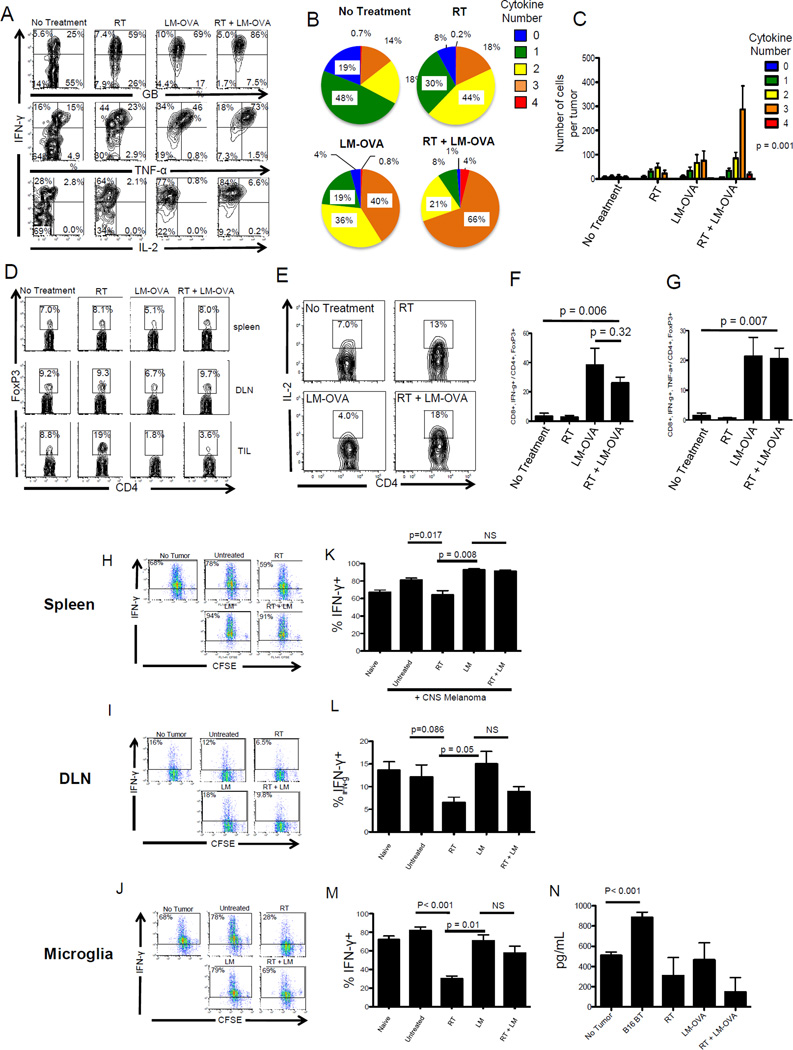
Figure 6. Combination therapy with LM-based vaccination and focal RT is associated with polyfunctional CD8 T cells, an increased Teff to Treg ratio, and improved APC function
(A) FACS plots demonstrating the effects of combination therapy on cytokine production from adoptively transferred, tumor-infiltrating CD8 T cells. (B,C) Percentages and numbers, respectively, of CD8 TIL producing single and multiple cytokines (D) Quantification of Treg (FoxP3+,CD4+) in treated animals E) Quantification of CD4 TIL producing IL-2. (F,G) Teff to Treg ratios in TIL, with effectors defined as IFNγ+, or IFNg TNFα double positive respectively. H-J) CFSE dilution of OT-1 T cells cultured with pulsed APC from Spleen, DLN and microglia (CD11b+ CD45-mid). (K-M) Summary graphs of the percentage of OT-1 responders producing IFN-γ when co-cultured with the indicated APC populations. (N) TGF-β1 concentrations in supernatants from J, M. A-G, N repeated × 2, N = 3–5 animals, group, H-M repeated × 1, N = 10 animals / group.

References

    1. Patchell RA. The management of brain metastases. Cancer Treat Rev. 2003;29:533–540. - PubMed
    1. Jackson CM, Lim M, Drake CG. Immunotherapy for Brain Cancer: Recent Progress and Future Promise. Clinical Cancer Research. 2014;20:3651–3659. - PMC - PubMed
    1. Ellsworth S, Balmanoukian A, Kos F, Nirschl CJ, Nirschl TR, Grossman SA, et al. Sustained CD4(+) T cell-driven lymphopenia without a compensatory IL-7/IL-15 response among high-grade glioma patients treated with radiation and temozolomide. Oncoimmunology. 2014;3:e27357. - PMC - PubMed
    1. Grossman SA, Ye X, Lesser G, Sloan A, Carraway H, Desideri S, et al. Immunosuppression in Patients with High-Grade Gliomas Treated with Radiation and Temozolomide. Clinical Cancer Research. 2011;17:5473–5480. - PMC - PubMed
    1. Ransohoff RM, Kivisäkk P, Kidd G. Three or more routes for leukocyte migration into the central nervous system. Nature Reviews Immunology. 2003;3:569–581. - PubMed

Publication types

MeSH terms

Substances