Appealing to fear: A meta-analysis of fear appeal effectiveness and theories
- PMID: 26501228
- PMCID: PMC5789790
- DOI: 10.1037/a0039729
Appealing to fear: A meta-analysis of fear appeal effectiveness and theories
Abstract
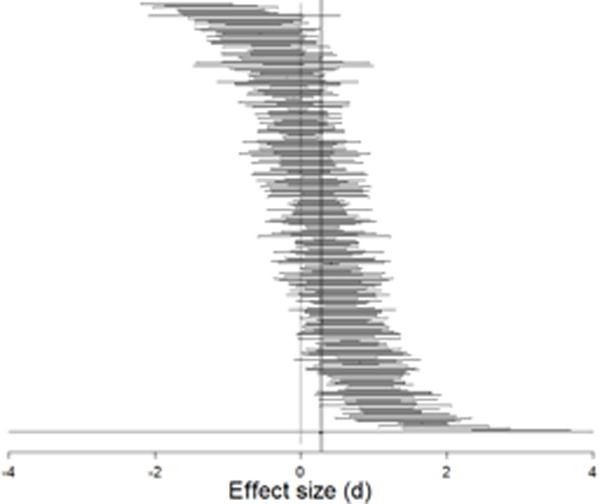
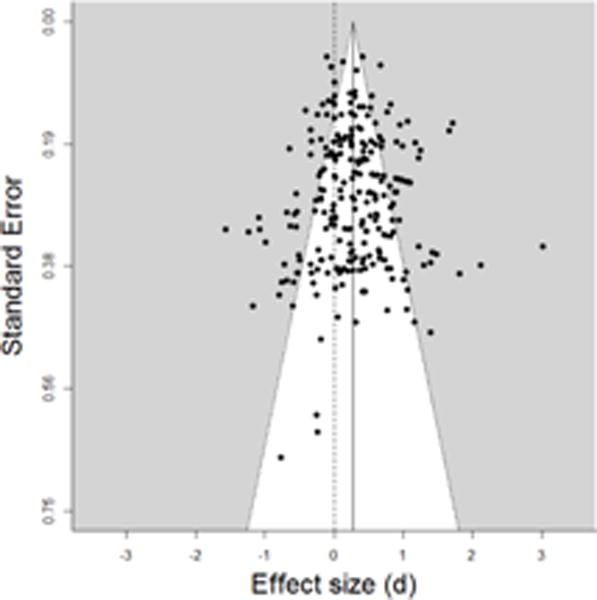
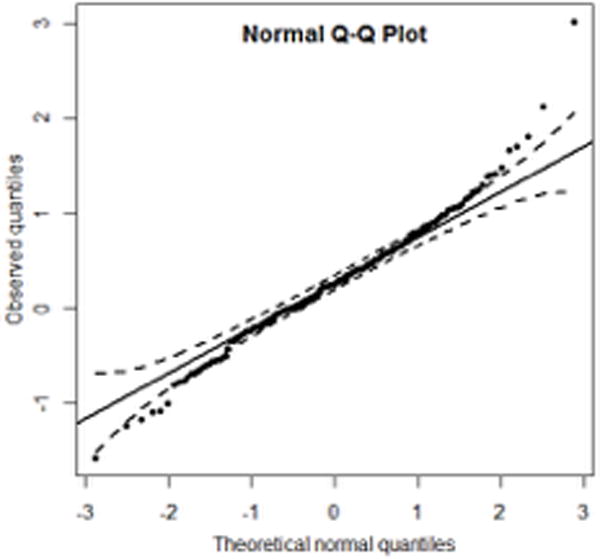
Fear appeals are a polarizing issue, with proponents confident in their efficacy and opponents confident that they backfire. We present the results of a comprehensive meta-analysis investigating fear appeals' effectiveness for influencing attitudes, intentions, and behaviors. We tested predictions from a large number of theories, the majority of which have never been tested meta-analytically until now. Studies were included if they contained a treatment group exposed to a fear appeal, a valid comparison group, a manipulation of depicted fear, a measure of attitudes, intentions, or behaviors concerning the targeted risk or recommended solution, and adequate statistics to calculate effect sizes. The meta-analysis included 127 articles (9% unpublished) yielding 248 independent samples (NTotal = 27,372) collected from diverse populations. Results showed a positive effect of fear appeals on attitudes, intentions, and behaviors, with the average effect on a composite index being random-effects d = 0.29. Moderation analyses based on prominent fear appeal theories showed that the effectiveness of fear appeals increased when the message included efficacy statements, depicted high susceptibility and severity, recommended one-time only (vs. repeated) behaviors, and targeted audiences that included a larger percentage of female message recipients. Overall, we conclude that (a) fear appeals are effective at positively influencing attitude, intentions, and behaviors; (b) there are very few circumstances under which they are not effective; and (c) there are no identified circumstances under which they backfire and lead to undesirable outcomes.
(c) 2015 APA, all rights reserved).
Figures
References
-
- Bagley JG, Low KG. Enhancing flossing compliance in college freshmen. Clinical Preventive Dentistry. 1992;14:25–30. - PubMed
-
- Bang HK. Unpublished doctoral dissertation. Michigan State University; 1993. The effectiveness of the use of fear appeals depicting legal and physical consequences in anti-drunk driving television public service announcements.
-
- Beach RI. The effect of a ‘fear-arousing’ safety film on physiological, attitudinal, and behavioral measures: A pilot study. Research Review. 1966;10:53–56.
-
- Beck KH. The effects of risk probability, outcome severity, efficacy of protection and access to protection on decision making: A further test of protection motivation theory. Social Behavior and Personality. 1984;12:121–125. doi: 10.2224/sbp.1984.12.2.121. - DOI
Publication types
MeSH terms
Grants and funding
LinkOut - more resources
Full Text Sources
Other Literature Sources
Medical