


Fast synthesis of platinum nanopetals and nanospheres for highly-sensitive non-enzymatic detection of glucose and selective sensing of ions
- PMID: 26515434
- PMCID: PMC4626773
- DOI: 10.1038/srep15277
Fast synthesis of platinum nanopetals and nanospheres for highly-sensitive non-enzymatic detection of glucose and selective sensing of ions
Abstract
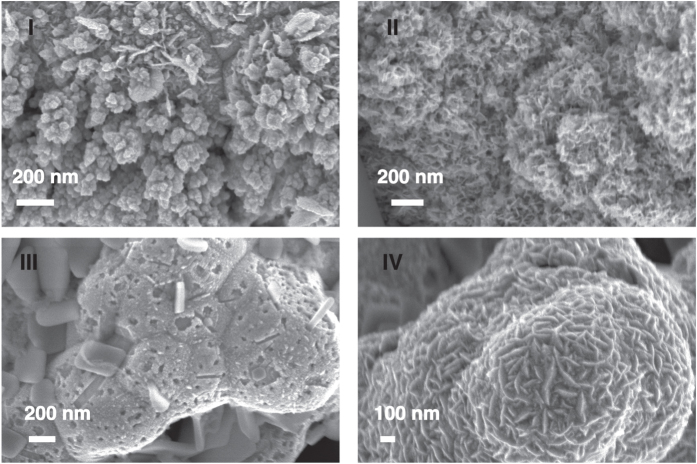
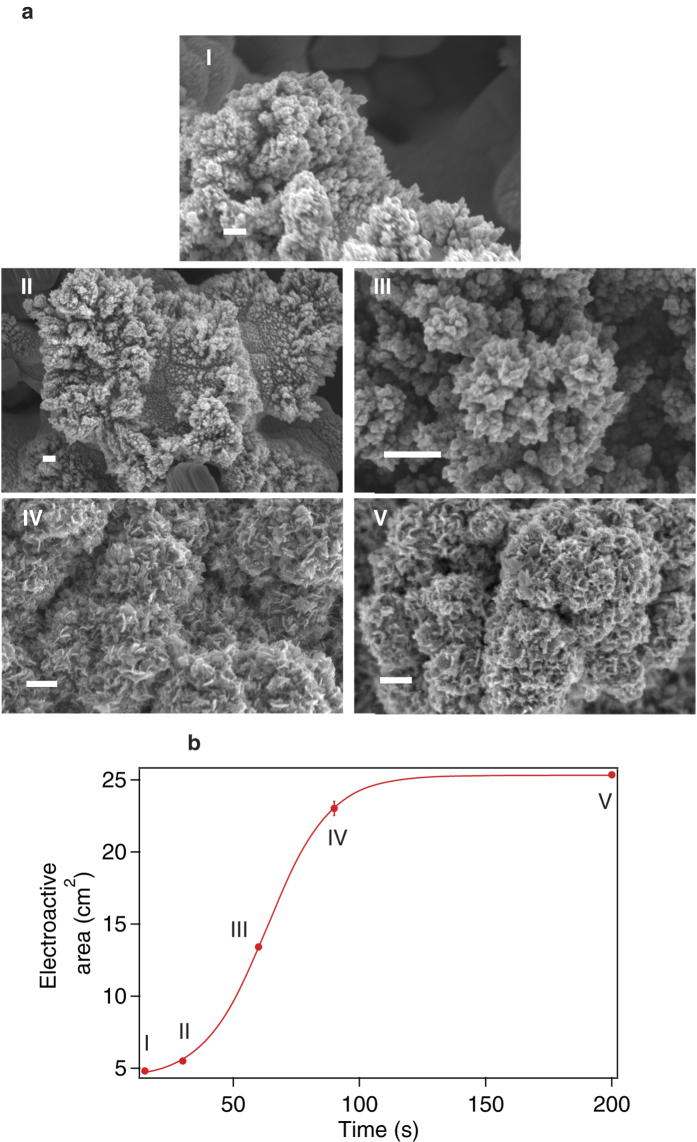
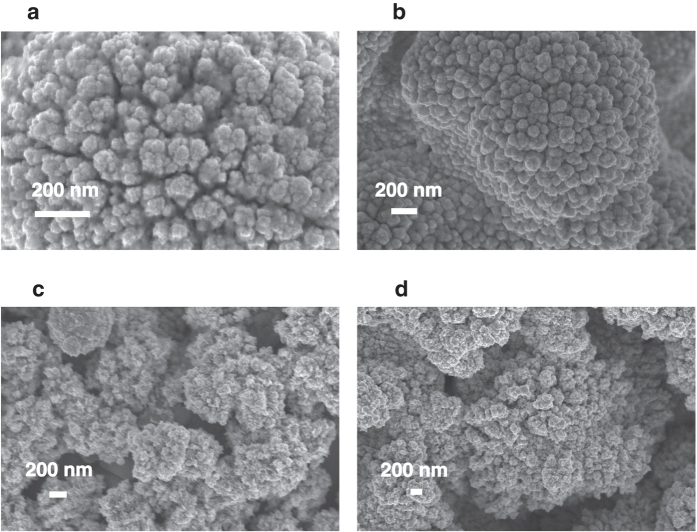
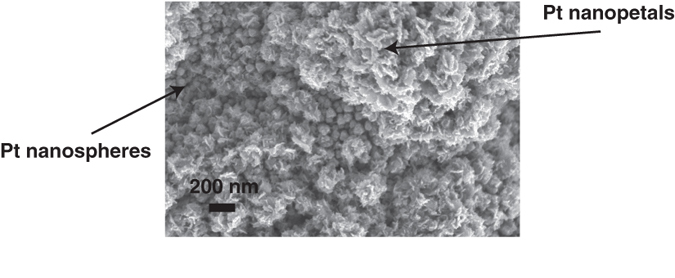
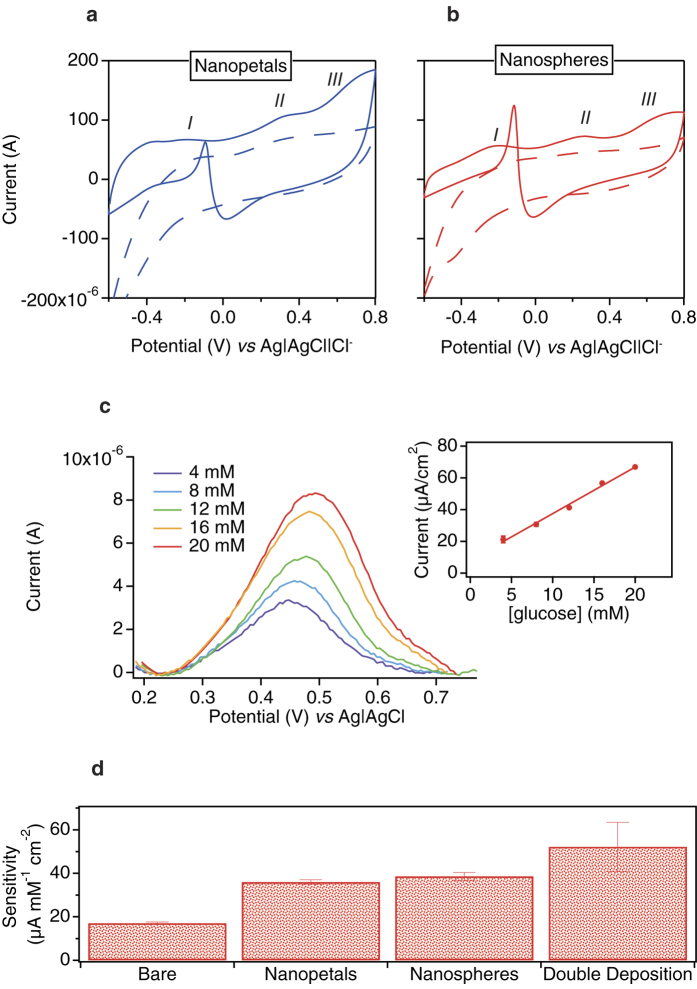
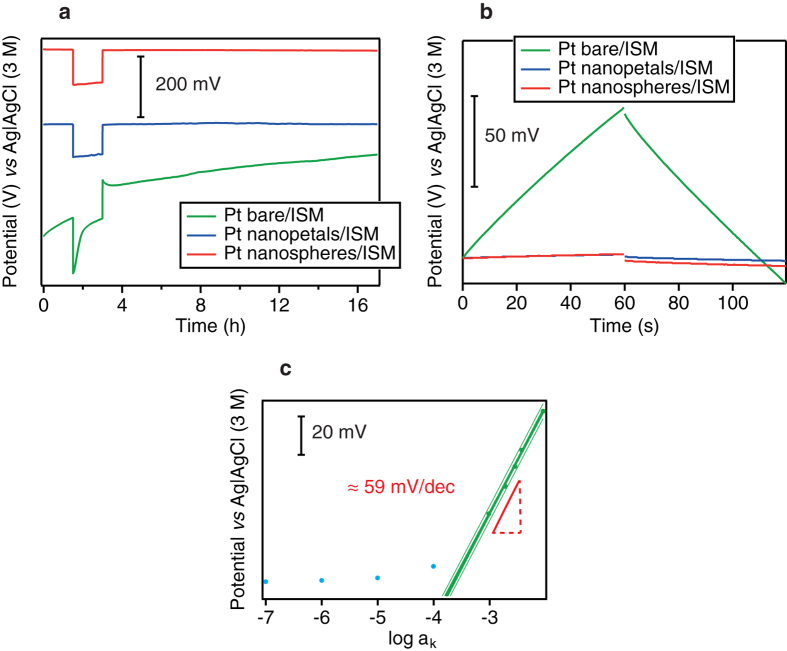
Novel methods to obtain Pt nanostructured electrodes have raised particular interest due to their high performance in electrochemistry. Several nanostructuration methods proposed in the literature use costly and bulky equipment or are time-consuming due to the numerous steps they involve. Here, Pt nanostructures were produced for the first time by one-step template-free electrodeposition on Pt bare electrodes. The change in size and shape of the nanostructures is proven to be dependent on the deposition parameters and on the ratio between sulphuric acid and chloride-complexes (i.e., hexachloroplatinate or tetrachloroplatinate). To further improve the electrochemical properties of electrodes, depositions of Pt nanostructures on previously synthesised Pt nanostructures are also performed. The electroactive surface areas exhibit a two order of magnitude improvement when Pt nanostructures with the smallest size are used. All the biosensors based on Pt nanostructures and immobilised glucose oxidase display higher sensitivity as compared to bare Pt electrodes. Pt nanostructures retained an excellent electrocatalytic activity towards the direct oxidation of glucose. Finally, the nanodeposits were proven to be an excellent solid contact for ion measurements, significantly improving the time-stability of the potential. The use of these new nanostructured coatings in electrochemical sensors opens new perspectives for multipanel monitoring of human metabolism.
Figures
References
-
- Nardini C. et al. i-Needle: Detecting the biological mechanisms of acupuncture. Science 346, S21–S22 (2014).
-
- Guo M., Hong H., Tang X., Fang H. & Xu X. Ultrasonic electrodeposition of platinum nanoflowers and their application in nonenzymatic glucose sensors. Electrochimica Acta 63, 1–8 (2012).
-
- Cooper M. A. Optical biosensors in drug discovery. Nature Reviews Drug Discovery 1, 515–528 (2002). - PubMed
-
- Xie J., Wang S., Aryasomayajula L. & Varadan V. Platinum decorated carbon nanotubes for highly sensitive amperometric glucose sensing. Nanotechnology 18, 065503 (2007).
Publication types
MeSH terms
Substances
LinkOut - more resources
Full Text Sources
Other Literature Sources
