


Opioids and endocrine dysfunction
- PMID: 26516462
- PMCID: PMC4590093
- DOI: 10.1177/2049463712438299
Opioids and endocrine dysfunction
Abstract
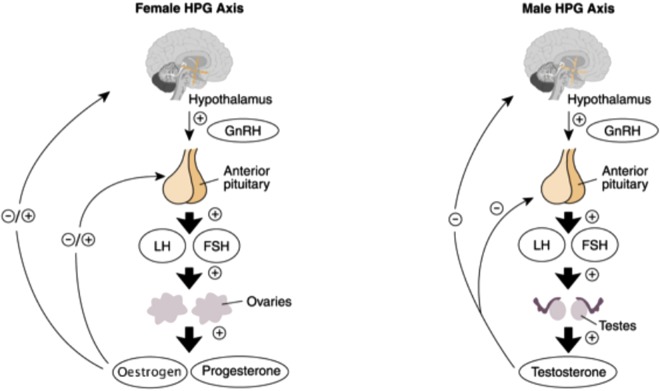
The endocrine effects of opioids used for the management of persistent pain are poorly understood by clinicians and patients, and hormone levels are rarely measured. It is recognized that opioids exert this effect via the hypothalamic-pituitary-gonadal axis. Additional effects on adrenal hormones, weight, blood pressure and bone density may also occur. Symptoms and signs of sex hormone deficiency occur in both men and women but are under-reported and are often clinically unrecognized. The potential effects of long term opioid therapy on the endocrine system should be explained to patients before opioid therapy is commenced. Monitoring of sex hormones is recommended; if there are deficiencies opioids should be tapered and withdrawn, if this is clinically acceptable. If opioid therapy has to continue, hormone replacement therapy should be initiated and monitored by an endocrinologist.
Keywords: Opioids; endocrine; hormone replacement; hypogonadism; sex hormones; testosterone.
Conflict of interest statement
The authors declare that they do not have any conflict of interest.
Figures
References
-
- Raghavan S, Harvey AD, Humble SR. New opioid side effects and implications for long-term therapy. Trends Anaesth Crit Care 2011; 1: 18–21.
-
- Okie S. A flood of opioids, a rising tide of deaths. N Engl J Med 2010; 363(21): 1981–1983. - PubMed
-
- Graves RH. Forty Years in China, Baltimore: Woodward, 1895.
LinkOut - more resources
Full Text Sources