Review
. 2015 Nov;26(4):599-610.
doi: 10.1016/j.pmr.2015.06.008. Epub 2015 Aug 25.

Upper Limb Motor Impairment After Stroke

Affiliations
Review

Upper Limb Motor Impairment After Stroke

Preeti Raghavan. Phys Med Rehabil Clin N Am. 2015 Nov.

Abstract

Understanding poststroke upper limb impairment is essential to planning therapeutic efforts to restore function. However, determining which upper limb impairment to treat and how is complex because the impairments are not static and multiple impairments may be present simultaneously. How impairments contribute to upper limb dysfunction may be understood by examining them from the perspective of their functional consequences. There are 3 main functional consequences of impairments on upper limb function: (1) learned nonuse, (2) learned bad use, and (3) forgetting as determined by behavioral analysis of tasks. The impairments that contribute to each of these functional limitations are described.

Keywords: Arm; Hemiparesis; Motor control; Stroke; Weakness.


Figures

Figure 1
Figure 1
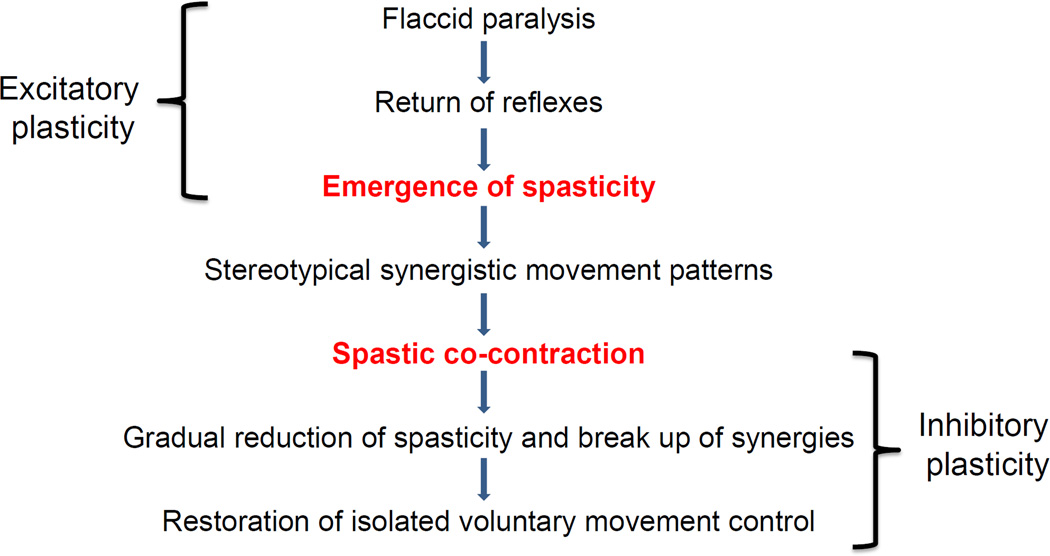
Sequential progression of motor recovery as described by Twitchell and Brunstrumm. Note that while recovery is proceeding from one stage to the next, residual impairment from preceding stages may still be present leading to the layering of impairment. Also note the underlying physiological processes that may account for progression from one stage to the next.
Figure 2
Figure 2
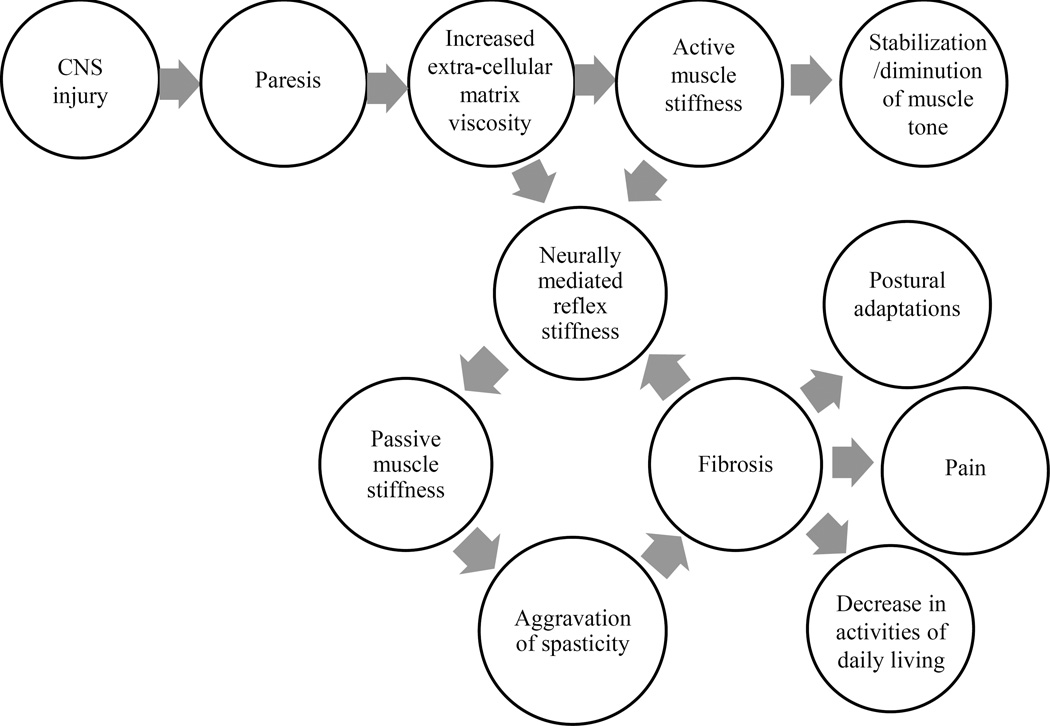
Model of the contribution of paresis and immobility to the evolution of spasticity. (Adapted from Stecco et al., 2014, Current Physical Medicine and Rehabilitation Reports)
Figure 3
Figure 3
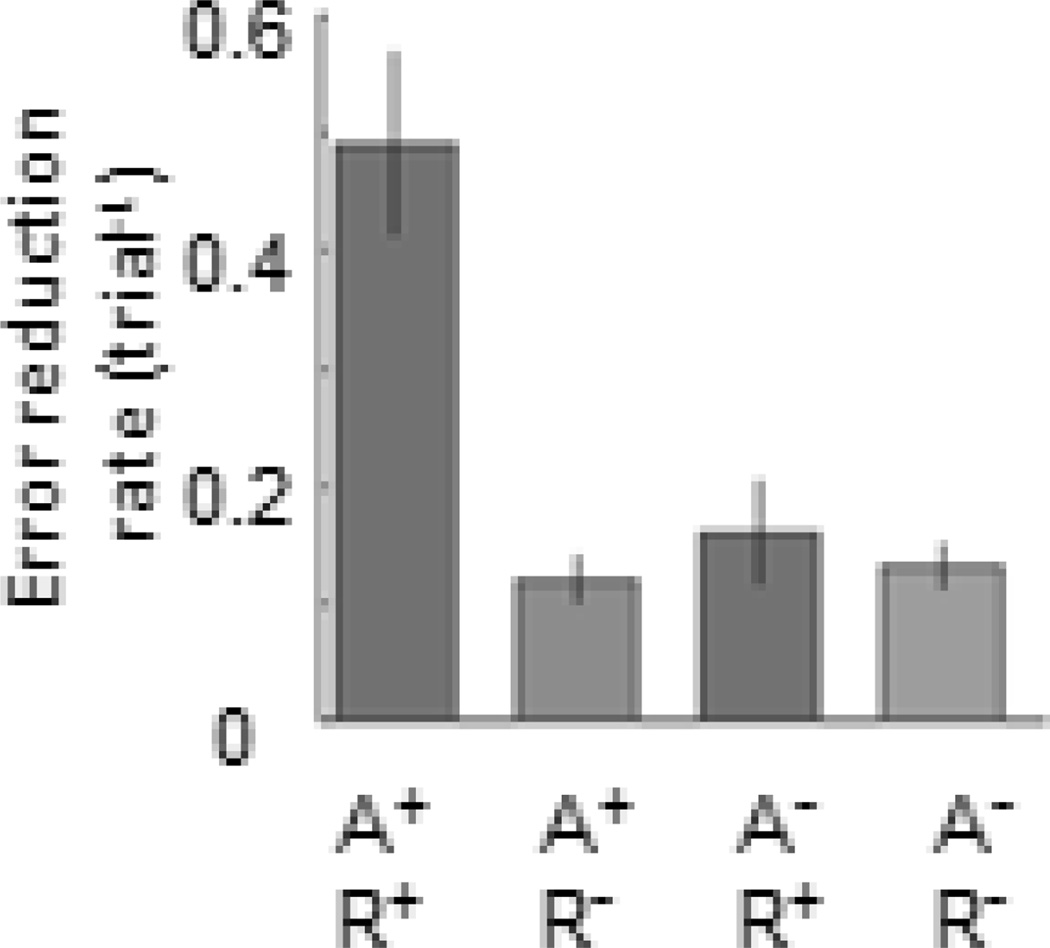
Error reduction rates, reflecting learning, are greatest when adaptation (A) and repetition (R) combine. (Adapted from Huang et al., 2011, Nature Neuroscience)

References

    1. Aluru V, Lu Y, et al. Effect of auditory constraints on motor performance depends on stage of recovery post-stroke. Front Neurol. 2014;5:106. - PMC - PubMed
    1. Bassetti C, Bogousslavsky J, et al. Sensory syndromes in parietal stroke. Neurology. 1993;43(10):1942–1949. - PubMed
    1. Bastian AJ. Understanding sensorimotor adaptation and learning for rehabilitation. Curr Opin Neurol. 2008;21(6):628–633. - PMC - PubMed
    1. Beebe JA, Lang CE. Absence of a proximal to distal gradient of motor deficits in the upper extremity early after stroke. Clin Neurophysiol. 2008;119(9):2074–2085. - PMC - PubMed
    1. Beebe JA, Lang CE. Active range of motion predicts upper extremity function 3 months after stroke. Stroke. 2009;40(5):1772–1779. - PMC - PubMed

Publication types

MeSH terms