. 2015 Sep-Oct;19(5):331-9.
doi: 10.1590/bjpt-rbf.2014.0109. Epub 2015 Sep 1.

Prevention of shoulder injuries in overhead athletes: a science-based approach

Affiliations

Prevention of shoulder injuries in overhead athletes: a science-based approach

Ann M Cools et al. Braz J Phys Ther. 2015 Sep-Oct.

Abstract

The shoulder is at high risk for injury during overhead sports, in particular in throwing or hitting activities, such as baseball, tennis, handball, and volleyball. In order to create a scientific basis for the prevention of recurrent injuries in overhead athletes, four steps need to be undertaken: (1) risk factors for injury and re-injury need to be defined; (2) established risk factors may be used as return-to-play criteria, with cut-off values based on normative databases; (3) these variables need to be measured using reliable, valid assessment tools and procedures; and (4) preventative training programs need to be designed and implemented into the training program of the athlete in order to prevent re-injury. In general, three risk factors have been defined that may form the basis for recommendations for the prevention of recurrent injury and return to play after injury: glenohumeral internal-rotation deficit (GIRD); rotator cuff strength, in particular the strength of the external rotators; and scapular dyskinesis, in particular scapular position and strength.


Figures
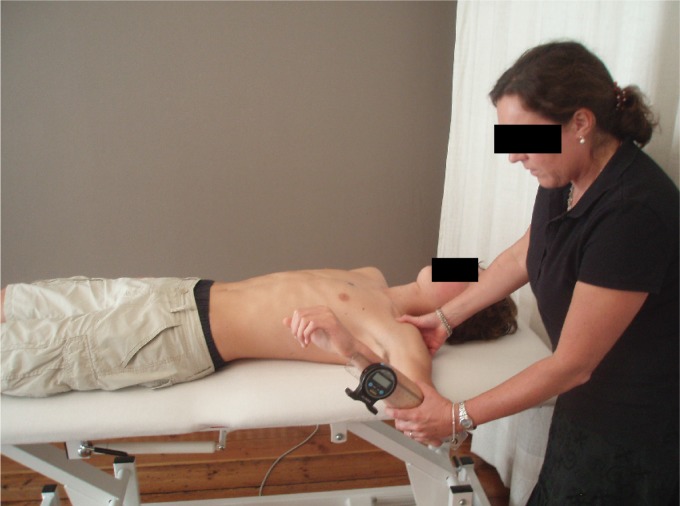
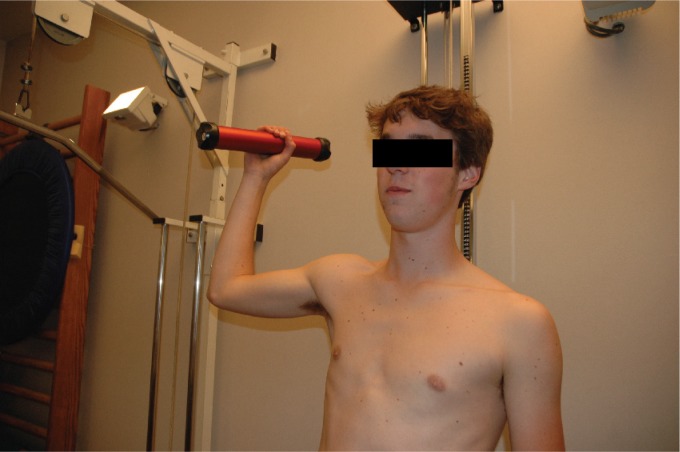
Figure 1.
Figure 1.. Measurement of internal rotation of the shoulder using a digital inclinometer.
Figure 2.
Figure 2.. Cross body stretch.
Figure 3.
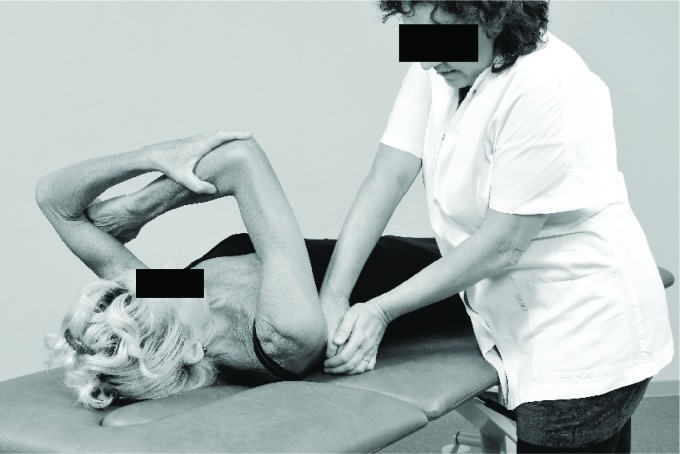
Figure 3.. Sleeper's stretch.
Figure 4.
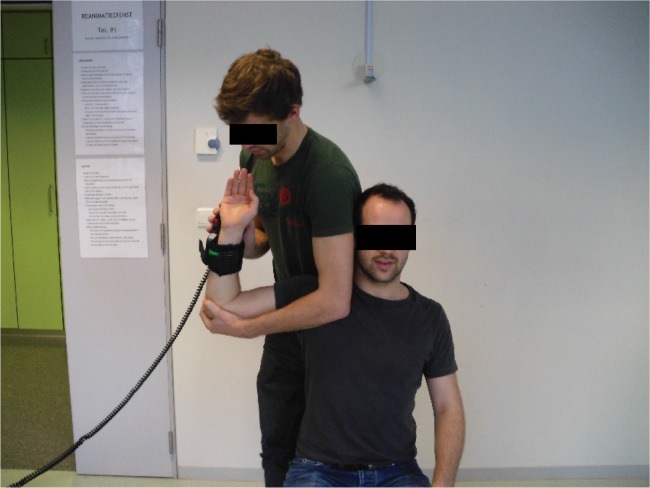
Figure 4.. Eccentric testing protocol using an HHD.
Figure 5.
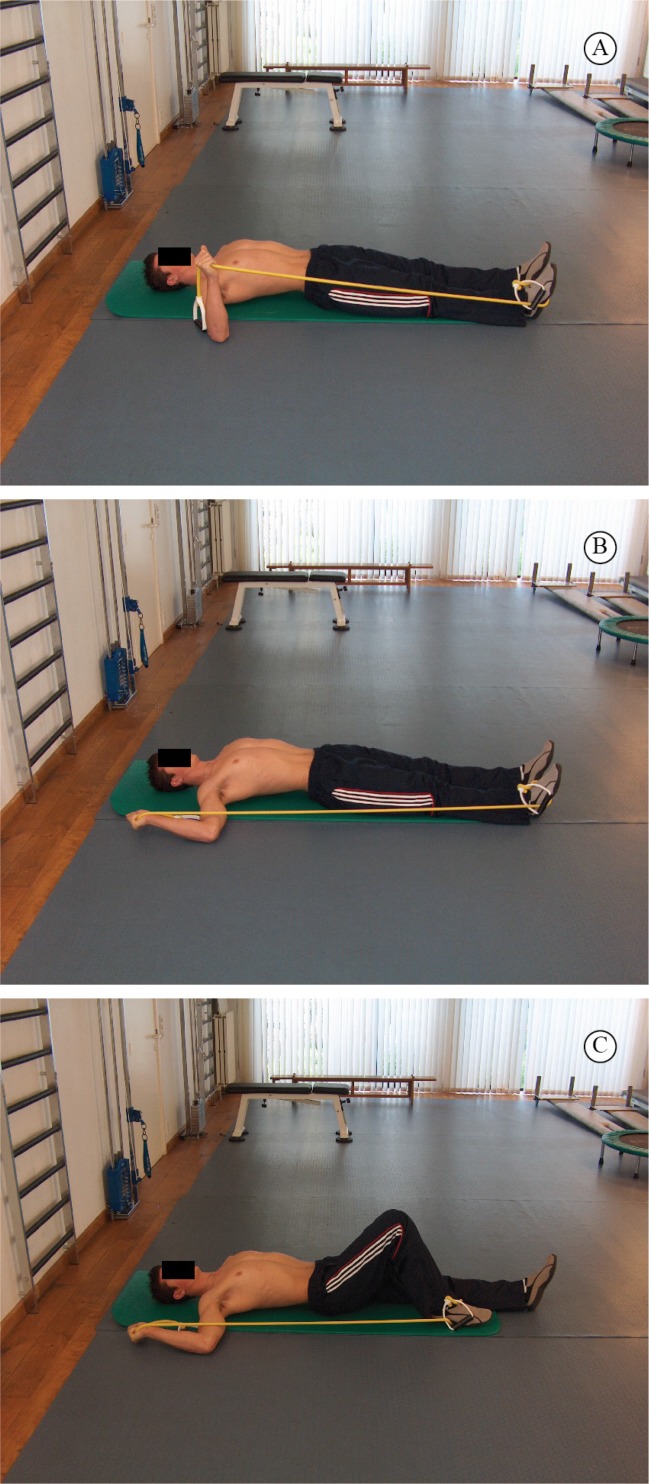
Figure 5.. Eccentric exercise for the external rotators in an abducted position.
Figure 6.
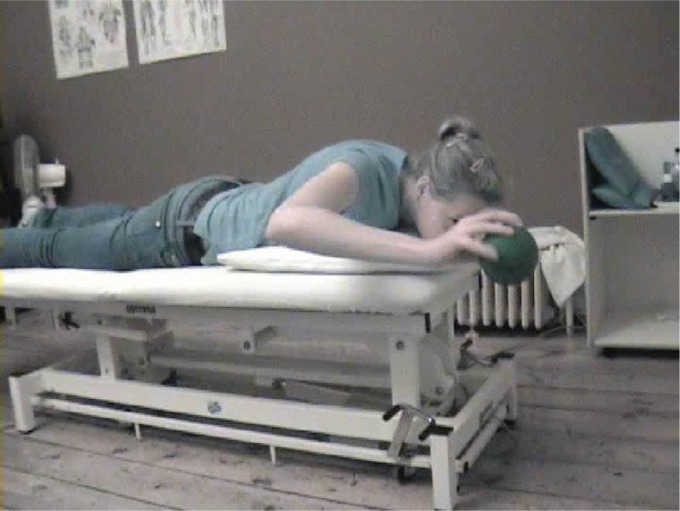
Figure 6.. "Catching" exercise using a plyoball.
Figure 7.
Figure 7.. Stretch-shortening cycle exercise, using the XCO®trainer

References

    1. Kibler WB, Safran MR. Musculoskeletal injuries in the young tennis player. Clin Sports Med. 2000;19(4):781–792. doi: 10.1016/S0278-5919(05)70237-4. - DOI - PubMed
    1. Pluim BM, Staal JB, Windler GE, Jayanthi N. Tennis injuries: occurrence, aetiology, and prevention. Br J Sports Med. 2006;40(5):415–423. doi: 10.1136/bjsm.2005.023184. - DOI - PMC - PubMed
    1. Baxter-Jones A, Maffulli N, Helms P. Low injury rates in elite athletes. Arch Dis Child. 1993;68(1):130–132. doi: 10.1136/adc.68.1.130. - DOI - PMC - PubMed
    1. Jayanthi NA, O'Boyle J, Durazo-Arvizu RA. Risk factors for medical withdrawals in United States tennis association junior national tennis tournaments: a descriptive epidemiologic study. Sports Health. 2009;1(3):231–235. doi: 10.1177/1941738109334274. - DOI - PMC - PubMed
    1. Sciascia A, Kibler WB. The pediatric overhead athlete: what is the real problem? Clin J Sport Med. 2006;16(6):471–477. doi: 10.1097/01.jsm.0000251182.44206.3b. - DOI - PubMed

MeSH terms