


The Role of Oxidative Stress and Antioxidants in Liver Diseases
- PMID: 26540040
- PMCID: PMC4661801
- DOI: 10.3390/ijms161125942
The Role of Oxidative Stress and Antioxidants in Liver Diseases
Abstract
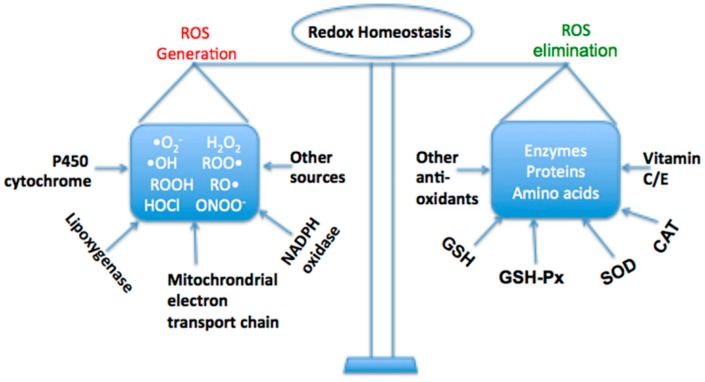
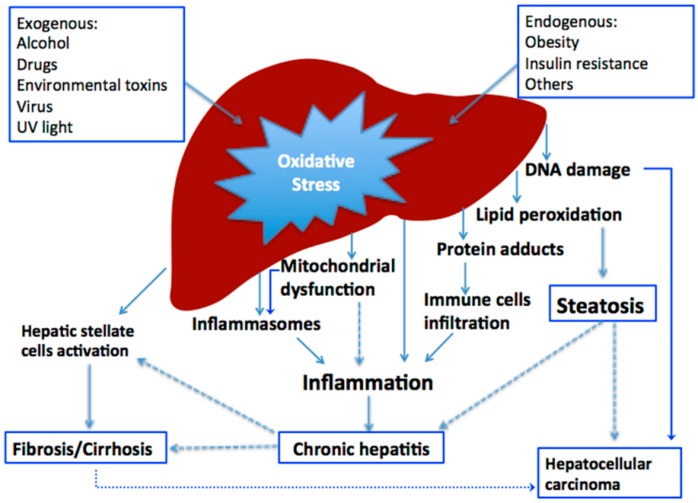
A complex antioxidant system has been developed in mammals to relieve oxidative stress. However, excessive reactive species derived from oxygen and nitrogen may still lead to oxidative damage to tissue and organs. Oxidative stress has been considered as a conjoint pathological mechanism, and it contributes to initiation and progression of liver injury. A lot of risk factors, including alcohol, drugs, environmental pollutants and irradiation, may induce oxidative stress in liver, which in turn results in severe liver diseases, such as alcoholic liver disease and non-alcoholic steatohepatitis. Application of antioxidants signifies a rational curative strategy to prevent and cure liver diseases involving oxidative stress. Although conclusions drawn from clinical studies remain uncertain, animal studies have revealed the promising in vivo therapeutic effect of antioxidants on liver diseases. Natural antioxidants contained in edible or medicinal plants often possess strong antioxidant and free radical scavenging abilities as well as anti-inflammatory action, which are also supposed to be the basis of other bioactivities and health benefits. In this review, PubMed was extensively searched for literature research. The keywords for searching oxidative stress were free radicals, reactive oxygen, nitrogen species, anti-oxidative therapy, Chinese medicines, natural products, antioxidants and liver diseases. The literature, including ours, with studies on oxidative stress and anti-oxidative therapy in liver diseases were the focus. Various factors that cause oxidative stress in liver and effects of antioxidants in the prevention and treatment of liver diseases were summarized, questioned, and discussed.
Keywords: antioxidant; foods; liver diseases; medicinal plants; oxidative stress.
Figures
References
Publication types
MeSH terms
Substances
LinkOut - more resources
Full Text Sources
Other Literature Sources
Medical
