


Regulation of energy balance by a gut-brain axis and involvement of the gut microbiota
- PMID: 26542800
- PMCID: PMC11108299
- DOI: 10.1007/s00018-015-2083-z
Regulation of energy balance by a gut-brain axis and involvement of the gut microbiota
Abstract
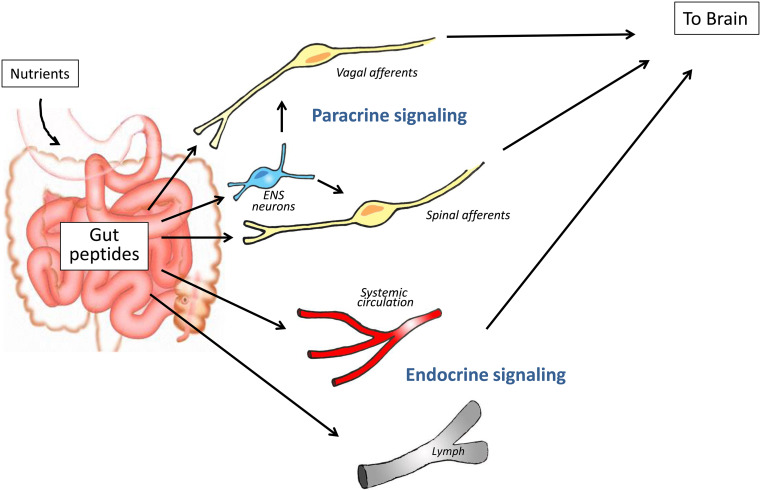
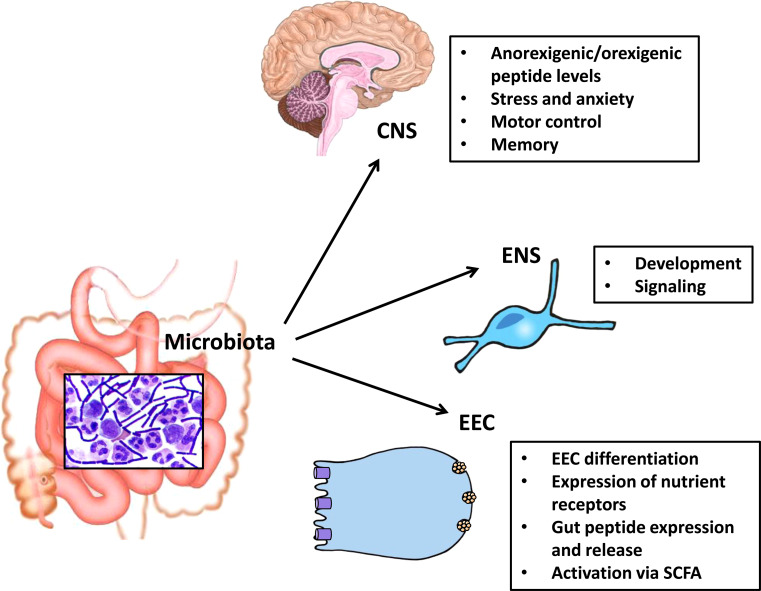
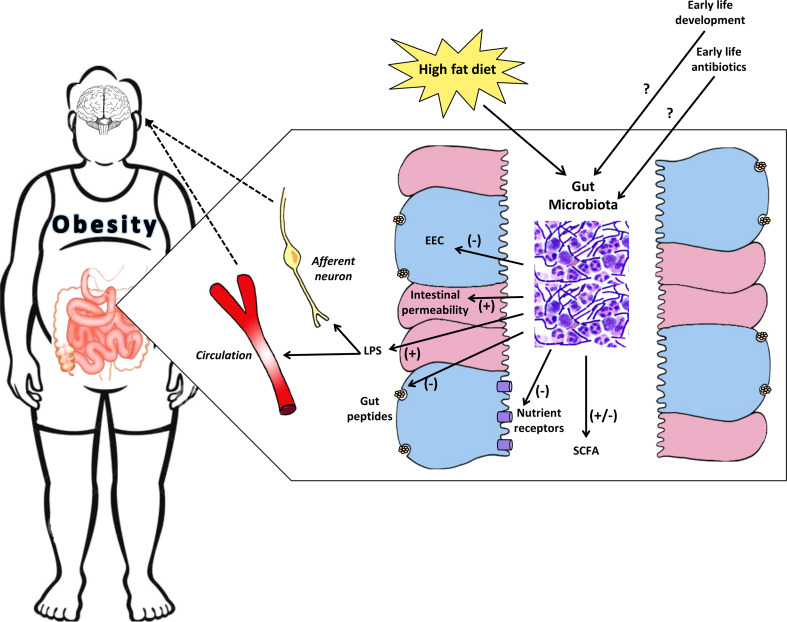
Despite significant progress in understanding the homeostatic regulation of energy balance, successful therapeutic options for curbing obesity remain elusive. One potential target for the treatment of obesity is via manipulation of the gut-brain axis, a complex bidirectional communication system that is crucial in maintaining energy homeostasis. Indeed, ingested nutrients induce secretion of gut peptides that act either via paracrine signaling through vagal and non-vagal neuronal relays, or in an endocrine fashion via entry into circulation, to ultimately signal to the central nervous system where appropriate responses are generated. We review here the current hypotheses of nutrient sensing mechanisms of enteroendocrine cells, including the release of gut peptides, mainly cholecystokinin, glucagon-like peptide-1, and peptide YY, and subsequent gut-to-brain signaling pathways promoting a reduction of food intake and an increase in energy expenditure. Furthermore, this review highlights recent research suggesting this energy regulating gut-brain axis can be influenced by gut microbiota, potentially contributing to the development of obesity.
Keywords: CCK; GLP-1; Gut microbiome; PYY; Satiation; Satiety; Short-chain fatty acid; Small intestine.
Figures
References
-
- Habib AM, Richards P, Cairns LS, Rogers GJ, Bannon CA, Parker HE, Morley TC, Yeo GS, Reimann F, Gribble FM. Overlap of endocrine hormone expression in the mouse intestine revealed by transcriptional profiling and flow cytometry. Endocrinology. 2012;153:3054–3065. doi: 10.1210/en.2011-2170. - DOI - PMC - PubMed
Publication types
MeSH terms
Substances
LinkOut - more resources
Full Text Sources
Medical
