


Radiotherapy Combined with Novel STING-Targeting Oligonucleotides Results in Regression of Established Tumors
- PMID: 26567136
- PMCID: PMC4703500
- DOI: 10.1158/0008-5472.CAN-14-3619
Radiotherapy Combined with Novel STING-Targeting Oligonucleotides Results in Regression of Established Tumors
Abstract
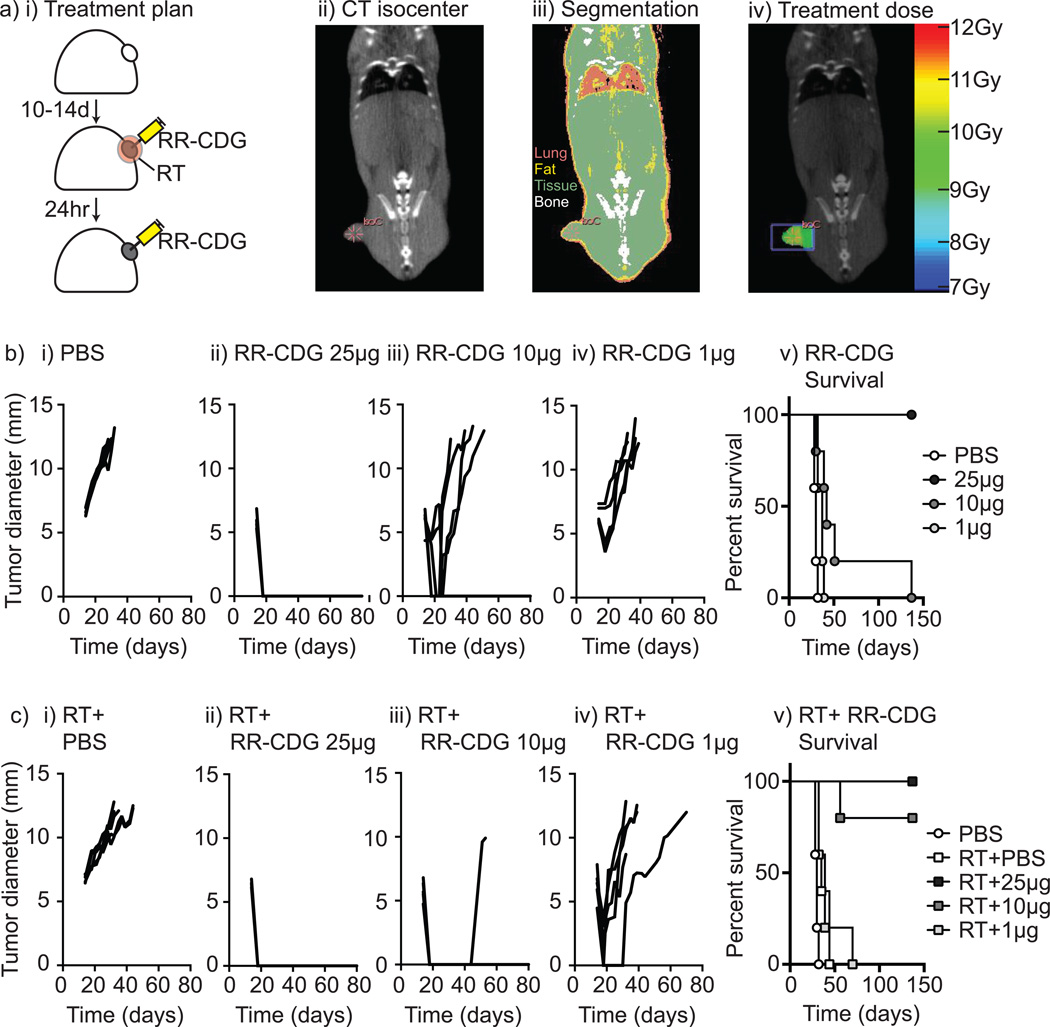
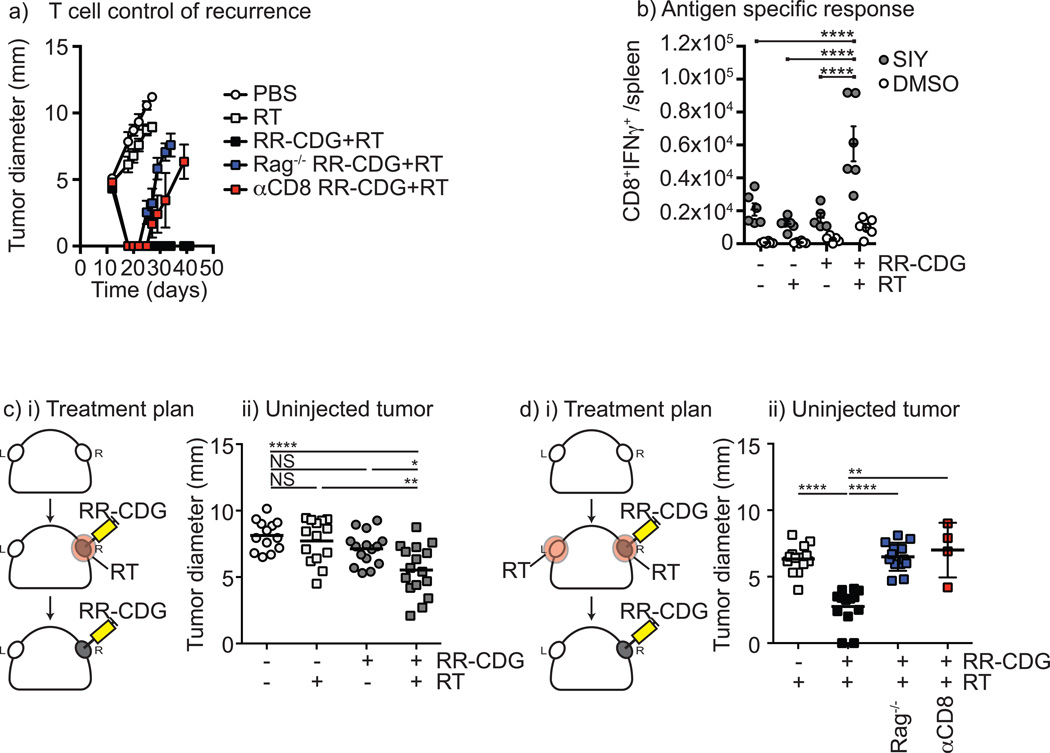
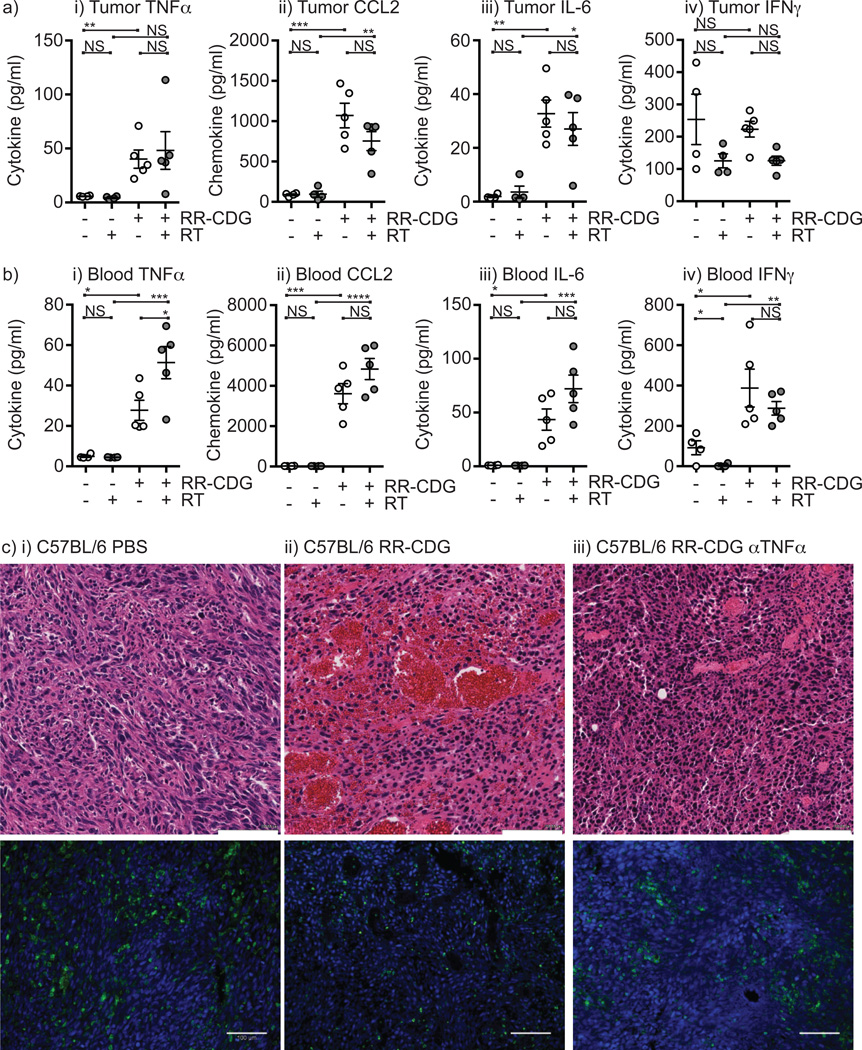
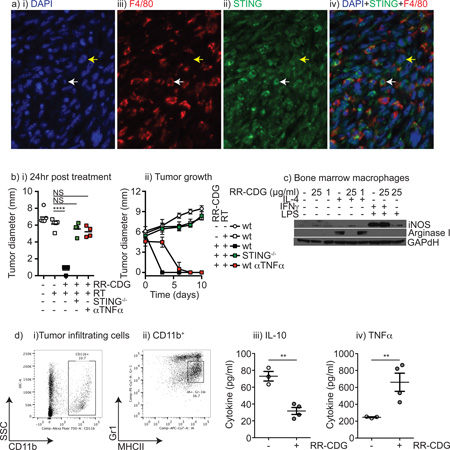
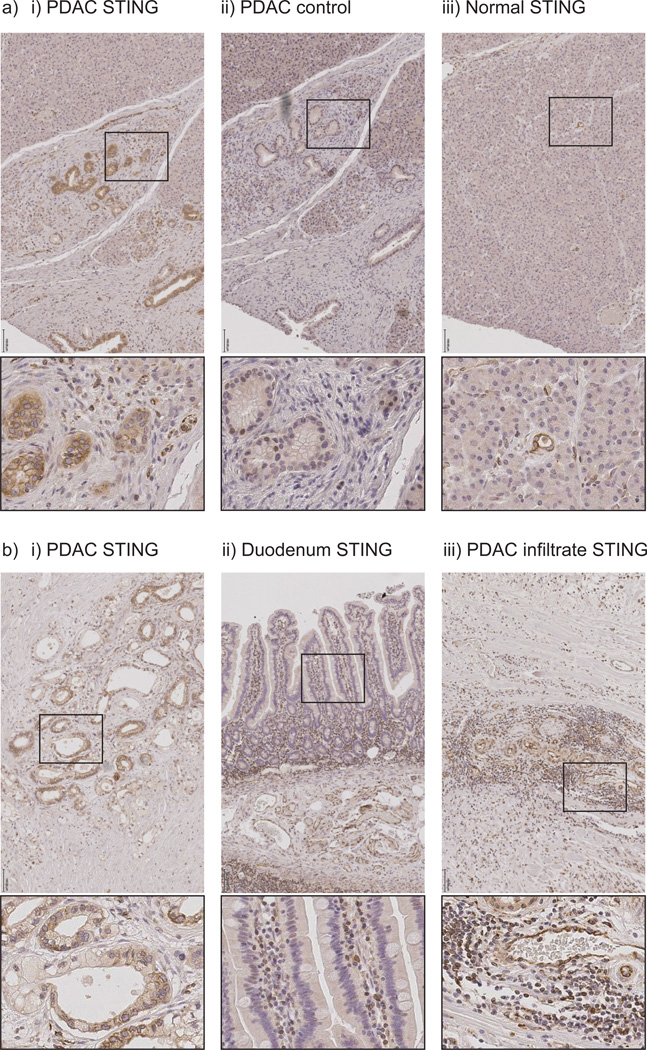
Cytotoxic therapies prime adaptive immune responses to cancer by stimulating the release of tumor-associated antigens. However, the tumor microenvironment into which these antigens are released is typically immunosuppressed, blunting the ability to initiate immune responses. Recently, activation of the DNA sensor molecule STING by cyclic dinucleotides was shown to stimulate infection-related inflammatory pathways in tumors. In this study, we report that the inflammatory pathways activated by STING ligands generate a powerful adjuvant activity for enhancing adaptive immune responses to tumor antigens released by radiotherapy. In a murine model of pancreatic cancer, we showed that combining CT-guided radiotherapy with a novel ligand of murine and human STING could synergize to control local and distant tumors. Mechanistic investigations revealed T-cell-independent and TNFα-dependent hemorrhagic necrosis at early times, followed by later CD8 T-cell-dependent control of residual disease. Clinically, STING was found to be expressed extensively in human pancreatic tumor and stromal cells. Our findings suggest that this novel STING ligand could offer a potent adjuvant for leveraging radiotherapeutic management of pancreatic cancer.
©2015 American Association for Cancer Research.
Conflict of interest statement
Conflict of interest:
Dr. Dubensky and Dr. Kanne are employees of Aduro Biotech, Inc., as listed in their author affiliations. Aduro Biotech did not finance or direct the study but did construct and provide the STING ligand as described. Dr. Crittenden has served as a consultant for or on the advisory board of Regeneron. No other conflicts are present.
Figures

References
-
- Ludgate CM. Clinical cancer research : an official journal of the American Association for Cancer Research. 2012. Optimizing Cancer treatments to induce an acute immune response; radiation abscopal effects, PAMPS and DAMPS. - PubMed
-
- Apetoh L, Ghiringhelli F, Tesniere A, Obeid M, Ortiz C, Criollo A, et al. Toll-like receptor 4-dependent contribution of the immune system to anticancer chemotherapy and radiotherapy. Nature medicine. 2007;13(9):1050–1059. - PubMed
-
- Garnett CT, Palena C, Chakraborty M, Tsang KY, Schlom J, Hodge JW. Sublethal irradiation of human tumor cells modulates phenotype resulting in enhanced killing by cytotoxic T lymphocytes. Cancer Res. 2004;64(21):7985–7994. - PubMed
-
- Chakraborty M, Abrams SI, Coleman CN, Camphausen K, Schlom J, Hodge JW. External beam radiation of tumors alters phenotype of tumor cells to render them susceptible to vaccine-mediated T-cell killing. Cancer research. 2004;64(12):4328–4337. - PubMed
Publication types
MeSH terms
Substances
Grants and funding
LinkOut - more resources
Full Text Sources
Other Literature Sources
Medical
Molecular Biology Databases
Research Materials
