


Structural outcomes in the Cleft Care UK study. Part 2: dento-facial outcomes
- PMID: 26567852
- PMCID: PMC4670707
- DOI: 10.1111/ocr.12109
Structural outcomes in the Cleft Care UK study. Part 2: dento-facial outcomes
Abstract
Objectives: To compare facial appearance and dento-alveolar relationship outcomes from the CSAG (1998) and CCUK (2013) studies.
Setting and sample population: Five-year-olds born with non-syndromic unilateral cleft lip and palate. Those in the original CSAG were treated in a dispersed model of care with low-volume operators. Those in CCUK were treated in a more centralized, high-volume operator model.
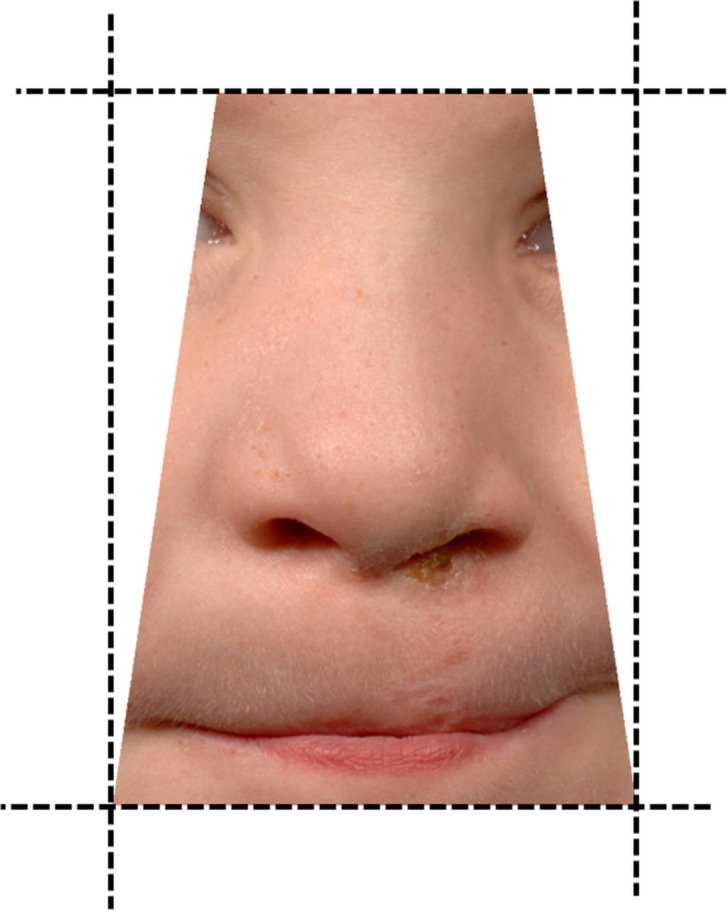
Materials and methods: We compared facial appearance using frontal view photographs (252 CCUK, 239 CSAG) and dental relationships using study models (198 CCUK, 223 CSAG). Facial appearance was scored by a panel of six assessors using a standardized and validated outcome tool. Dento-alveolar relationships were scored by two assessors using the 5-Year-Olds' Index. Ordinal regression was used to compare results between surveys.
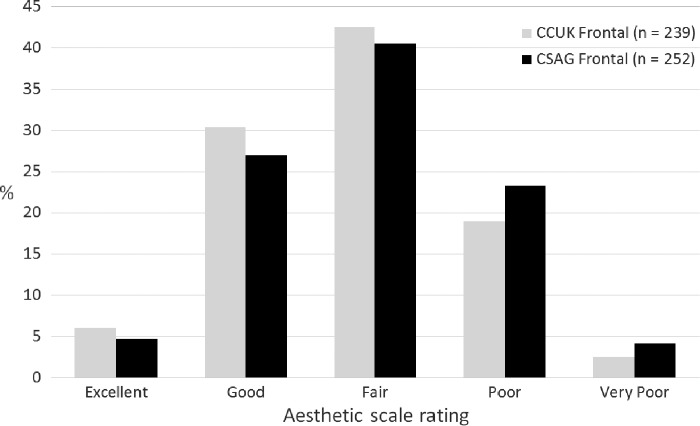
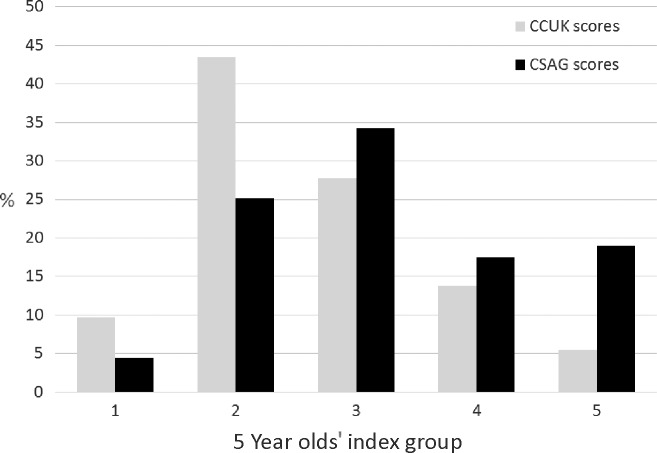
Results: Excellent or good facial appearance was seen in 36.2% of CCUK compared with 31.9% in CSAG. In CCUK, 21.6% were rated as having poor or very poor facial appearance compared with 27.6% in CSAG. The percentage rated as having excellent or good dento-alveolar relationships was 53.0% in CCUK compared with 29.6% in CSAG. In CCUK, 19.2% were rated as having poor or very poor dento-alveolar relationships compared to 36.3% in CSAG. The odds ratios for improved outcome in CCUK compared to CSAG were 1.43 (95% CI 1.03, 1.97) for facial appearance and 2.29 (95% CI 1.47, 3.55) for dento-alveolar relationships.
Conclusions: Facial and dento-alveolar outcomes were better in CCUK children compared to those in CSAG.
Keywords: cleft lip; cleft palate; face; treatment outcome.
© 2015 The Authors. Orthodontics & Craniofacial Research Published by John Wiley & Sons Ltd.
Figures
References
-
- Howells DJ, Shaw WC. The validity and reliability of ratings of dental and facial attractiveness for epidemiological use. Am J Orthod. 1985;88:20–3. - PubMed
-
- Sharma VP, Bella H, Cadier MM, Pigott RW, Goodacre TE, Richard BM. Outcomes in facial aesthetics in cleft lip and palate surgery: a systematic review. J Plast Reconstr Aesthet Surg. 2012;65:1233–45. - PubMed
-
- Asher-Mcdade C, Roberts C, Shaw WC, Gallager C. Development of a method for rating nasolabial appearance in patients with clefts of the lip and palate. Cleft Palate Craniofac J. 1991;28:385–90. - PubMed
-
- Brattström V, Mølsted K, Prahl-Andersen B, Semb G, Shaw WC. The Eurocleft study: intercenter study of treatment outcome in patients with complete cleft lip and palate. Part 2: craniofacial form and nasolabial appearance. Cleft Palate Craniofac J. 2011;42:69–77. - PubMed
-
- Mercado A, Russell K, Hathaway R, Daskalogiannakis J, Sadek H, Long RE, et al. The Americleft study: an inter-center study of treatment outcomes for patients with unilateral cleft lip and palate part 4. Nasolabial aesthetics. Cleft Palate Craniofac J. 2011;48:259–64. - PubMed
Publication types
MeSH terms
Grants and funding
LinkOut - more resources
Full Text Sources
Other Literature Sources
Medical
