


Diuretics for transient tachypnoea of the newborn
- PMID: 26590358
- PMCID: PMC7144734
- DOI: 10.1002/14651858.CD003064.pub3
Diuretics for transient tachypnoea of the newborn
Abstract
Background: Transient tachypnoea of the newborn (TTN) results from delayed clearance of lung liquid and is a common cause of admission of full-term infants to neonatal intensive care units. The condition is particularly common after elective caesarean section. Conventional treatment involves appropriate oxygen administration and continuous positive airway pressure in some cases. Most infants receive antibiotic therapy. Hastening the clearance of lung liquid may shorten the duration of the symptoms and reduce complications.
Objectives: To determine whether diuretic administration reduces the duration of oxygen therapy and respiratory symptoms and shortens hospital stay in term infants presenting with transient tachypnoea of the newborn.
Search methods: An updated search was carried out in September 2015 of the following databases: the Cochrane Central Register of Controlled Trials (CENTRAL) (The Cochrane Library issue 9, 2015), MEDLINE via Ovid, EMBASE, PubMed, and CINAHL via OVID.
Selection criteria: We included randomised and quasi-randomised controlled trials that compared the effect of diuretics administration versus placebo or no treatment in infants of less than seven days of age, born at 37 or more weeks of gestation with the clinical picture of transient tachypnoea of the newborn.
Data collection and analysis: We extracted and analysed data according to the methods outlined in the latest Cochrane Handbook for Systematic Reviews of Interventions. Two review authors assessed trial quality in each potentially eligible manuscript and two review authors extracted data.
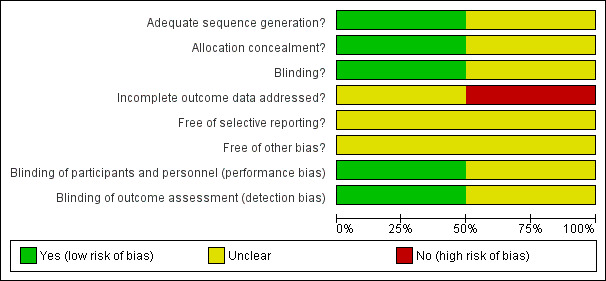
Main results: Our previous systematic review included two trials enrolling a total of 100 infants with transient tachypnoea of the newborn (Wiswell 1985; Karabayir 2006). The updated search revealed no new trials. Wiswell 1985 randomised 50 infants to receive either oral furosemide (2 mg/kg body weight at time of diagnosis followed by a 1 mg/kg dose 12 hours later if the tachypnoea persisted) or placebo. Karabayir 2006 randomised 50 infants to receive either intravenous furosemide (2 mg/kg body weight) or an equal volume of normal saline placebo. Neither trial reported on the need for respiratory support. Neither trial demonstrated a statistically significant impact of furosemide on transient tachypnoea of the newborn regarding duration of symptoms or length of hospitalisation.
Authors' conclusions: Diuretics cannot be recommended as treatment for transient tachypnoea of the newborn and it should not be used unless additional data become available. This finding suggests that either furosemide is not effective in promoting resorption of lung fluid, or factors other than delayed resorption of this fluid contribute to the pathogenesis of transient tachypnoea of the newborn. The question remains as to whether furosemide given to the infant (or even to the mother before caesarean section) might shorten the duration of the illness. As elective caesarean section continues at a high level, these two interventions might be worthy of trials.
Conflict of interest statement
None
Figures


Update of
-
Furosemide for transient tachypnoea of the newborn.Cochrane Database Syst Rev. 2013 Jun 5;(6):CD003064. doi: 10.1002/14651858.CD003064.pub2. Cochrane Database Syst Rev. 2013. Update in: Cochrane Database Syst Rev. 2015 Nov 21;(11):CD003064. doi: 10.1002/14651858.CD003064.pub3. PMID: 23740566 Updated.
References
References to studies included in this review
Karabayir 2006 {published data only}
-
- Karabayir N, Kavuncuoglu S. Intravenous frusemide for transient tachypnoea of the newborn: a randomised controlled trial. Journal of Paediatrics and Child Health 2006;42(10):640‐2. - PubMed
Wiswell 1985 {published data only}
-
- Wiswell TE, Rawlings MC, Smith MC, Goo ED. Effect of furosemide on the clinical course of transient tachypnea of the newborn. Pediatrics 1985;75(5):908‐10. - PubMed
References to ongoing studies
NCT01407848 {published data only}
-
- NCT01407848. Trial on treatment with inhaled furosemide of preterm and term neonates with transient tachypnoea. https://clinicaltrials.gov/ct2/show/NCT01407848 (accessed 18 September 2015).
Additional references
Avery 1966
-
- Avery ME, Gatewood OB, Brumley G. Transient tachypnea of the newborn. Possible delayed resorption of fluid at birth. American Journal of Diseases of Children 1966;111(4):380‐5. - PubMed
Beermann 1978
-
- Beermann B, Groschinsky‐Grind M, Fahraeus L, Lindstrom B. Placental transfer of furosemide. Clinical Pharmacology and Therapeutics 1978;24(5):560‐2. [MEDLINE: ] - PubMed
Belik 1987
-
- Belik J, Spitzer AR, Clark BJ, Gewitz MH, Fox WW. Effect of early furosemide administration in neonates with respiratory distress syndrome. Pediatric Pulmonology 1987;3(4):219‐25. [MEDLINE: ] - PubMed
Demling 1978
-
- Demling RH, Will JA. The effect of furosemide on the pulmonary transvascular filtration rate. Critical Care Medicine 1978;6(5):317‐9. [MEDLINE: ] - PubMed
Elias 2006
-
- Elias N, O'Brodovich H. Clearance of fluid from airspaces of newborns and infants. American Academy of Pediatrics 2006;7:e88‐e94.
Higgins 2003
Higgins 2011
-
- Higgins JPT, Green S (editors). Cochrane Handbook for Systematic Reviews of Interventions Version 5.1.0 [updated March 2011]. The Cochrane Collaboration, 2011. Available from www.cochrane‐handbook.org. [DOI]
Kasap 2008
-
- Kasap B, Duman N, Ozer E, Tatli M, Kumral A, Ozkan H. Transient tachypnea of the newborn: Predictive factor for prolonged tachypnea. Pediatrics International 2008;50(1):81‐4. - PubMed
Khor 2000
-
- Khor LJ, Jeskins G, Cooper GM, Paterson‐Brown S. National obstetric anaesthetic practice in the UK 1997/1998. Anaesthesia 2000;55(12):1168‐72. - PubMed
Morrison 1995
-
- Morrison JJ, Rennie JM, Milton PJ. Neonatal respiratory morbidity and mode of delivery at term: influence of timing of elective caesarean section. British Journal of Obstetrics and Gynaecology 1995;102(2):101‐6. [MEDLINE: ] - PubMed
Prabhu 1997
Rennie 1999
-
- Rennie JM, Roberton NRC. Textbook of Neonatology. 3rd Edition. Edinburgh: Churchill Livingstone, 1999. [0443 055416]
RevMan 2014 [Computer program]
-
- The Nordic Cochrane Centre. The Cochrane Collaboration. Review Manager (RevMan). Version 5.3. Copenhagen: The Nordic Cochrane Centre. The Cochrane Collaboration, 2014.
Tudehope 1979
-
- Tudehope DI, Smyth MH. Is "transient tachypnoea of the newborn" always a benign disease? Report of 6 babies requiring mechanical ventilation. Australian Paediatric Journal 1979;15(3):160‐5. [MEDLINE: ] - PubMed
References to other published versions of this review
Kassab 2013
Publication types
MeSH terms
Substances
LinkOut - more resources
Full Text Sources
Research Materials
