


Alkaline Phosphatase and Hypophosphatasia
- PMID: 26590809
- PMCID: PMC4824800
- DOI: 10.1007/s00223-015-0079-1
Alkaline Phosphatase and Hypophosphatasia
Abstract
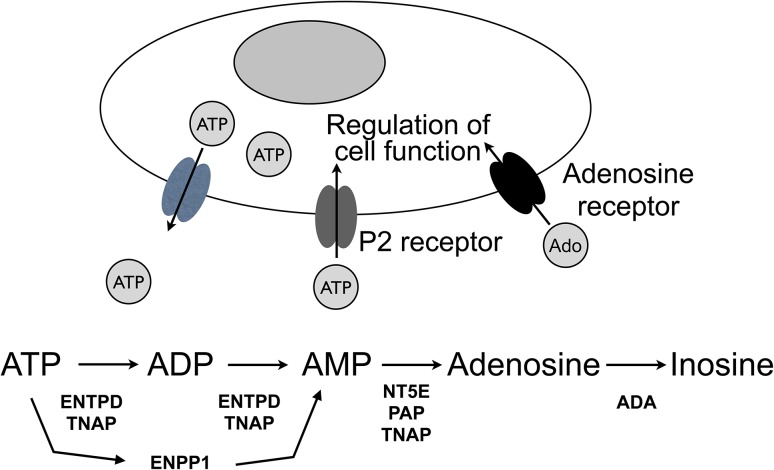
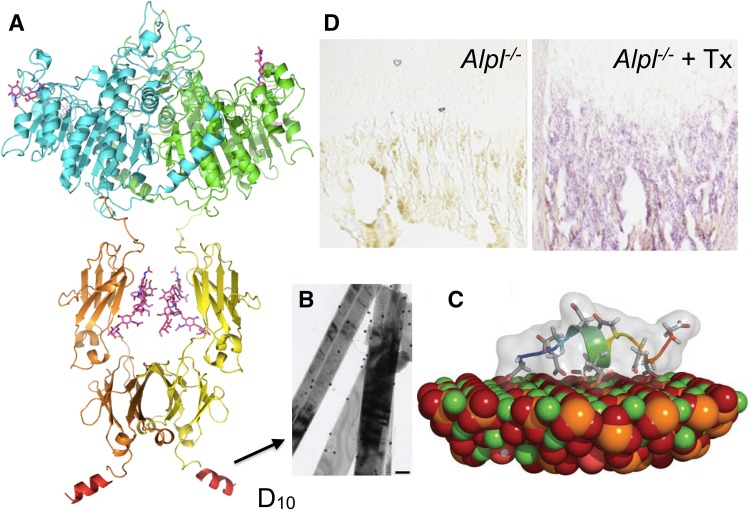
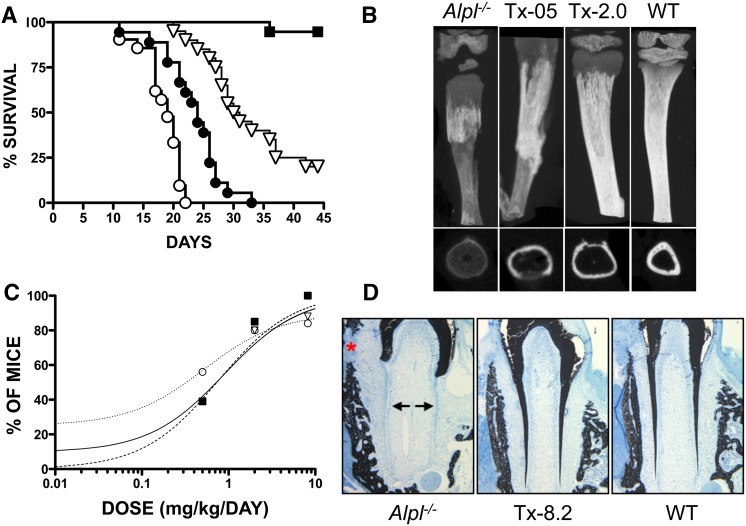
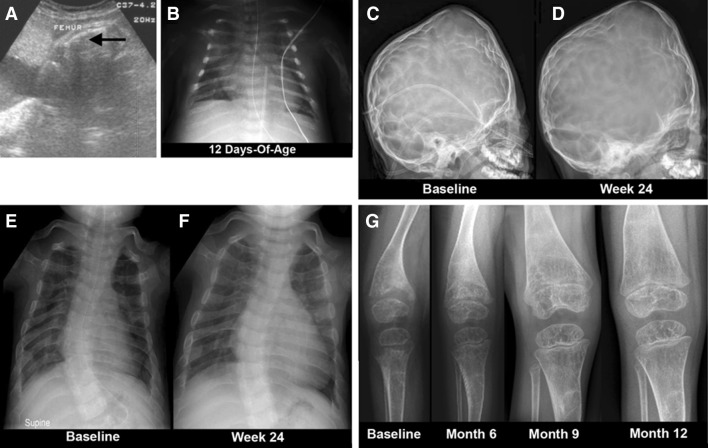
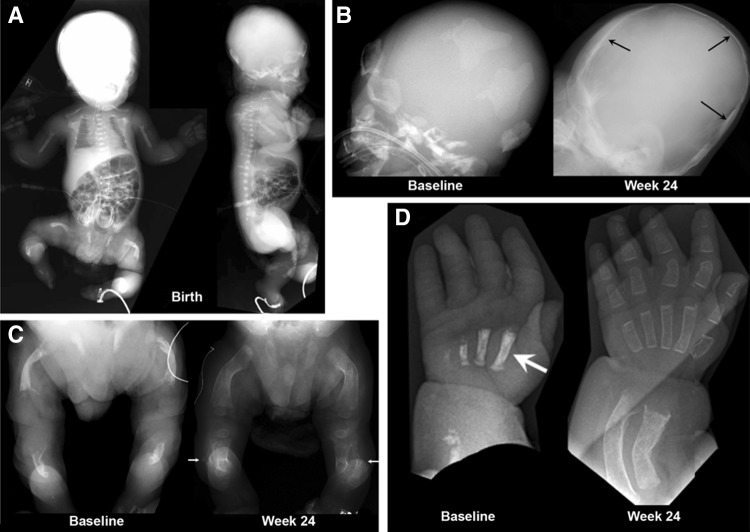
Hypophosphatasia (HPP) results from ALPL mutations leading to deficient activity of the tissue-non-specific alkaline phosphatase isozyme (TNAP) and thereby extracellular accumulation of inorganic pyrophosphate (PPi), a natural substrate of TNAP and potent inhibitor of mineralization. Thus, HPP features rickets or osteomalacia and hypomineralization of teeth. Enzyme replacement using mineral-targeted TNAP from birth prevented severe HPP in TNAP-knockout mice and was then shown to rescue and substantially treat infants and young children with life-threatening HPP. Clinical trials are revealing aspects of HPP pathophysiology not yet fully understood, such as craniosynostosis and muscle weakness when HPP is severe. New treatment approaches are under development to improve patient care.
Keywords: Calcification; Enzyme replacement; Osteomalacia; Rickets; Seizures.
Figures
References
-
- Robison R (1932) The significance of phosphoric esters in metabolism. New York University Press, New York
Publication types
MeSH terms
Substances
Grants and funding
LinkOut - more resources
Full Text Sources
Other Literature Sources
Miscellaneous
