


Cost-Effectiveness Analysis of Smoking Cessation Interventions in Japan Using a Discrete-Event Simulation
- PMID: 26597111
- PMCID: PMC4740570
- DOI: 10.1007/s40258-015-0204-3
Cost-Effectiveness Analysis of Smoking Cessation Interventions in Japan Using a Discrete-Event Simulation
Abstract
Background: Smoking cessation medications have been shown to yield higher success rates and sustained abstinence than unassisted quit attempts. In Japan, the treatments available include nicotine replacement therapy (NRT) and varenicline; however, unassisted attempts to quit smoking remain common.
Objective: The objective of this study was to compare the health and economic consequences in Japan of using pharmacotherapy to support smoking cessation with unassisted attempts and the current mix of strategies used.
Methods: A discrete-event simulation that models lifetime quitting behaviour and includes multiple quit attempts (MQAs) and relapses was adapted for these analyses. The risk of developing smoking-related diseases is estimated based on the duration of abstinence. Data collected from a survey conducted in Japan were used to determine the interventions selected by smokers initiating a quit attempt and the time between MQAs. Direct and indirect costs are assessed (expressed in 2014 Japanese Yen).
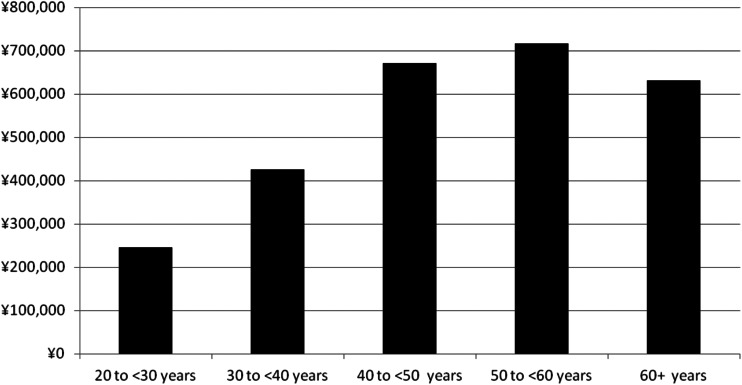
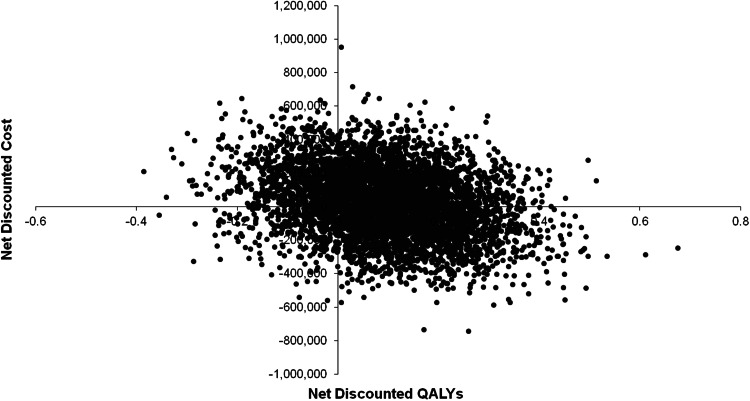
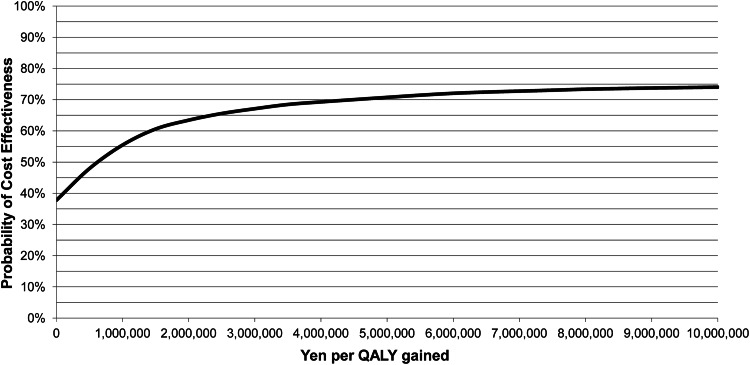
Results: Using pharmacotherapy (NRT or varenicline) to support quit attempts proved to be dominant when compared with unassisted attempts or the current mix of strategies (most are unassisted). The results of stratified analyses by age imply that smoking cessation improves health outcomes across all generations. Indirect costs due to premature death leading to lost wages are an important component of the total costs, exceeding the direct medical cost estimates.
Conclusions: Increased utilisation of smoking cessation pharmacotherapy to support quit attempts is predicted to lead to an increase in the number of smokers achieving abstinence, and provide improvements in health outcomes over a lifetime with no additional costs.
Figures
References
-
- US Department of Health and Human Services. The health consequences of smoking—50 years of progress: a report of the Surgeon General. Printed with corrections January 2014. Atlanta: US Department of Health and Human Services, Centers for Disease Control and Prevention, National Center for Chronic Disease Prevention and Health Promotion, Office on Smoking and Health; 2014. http://www.surgeongeneral.gov/library/reports/50-years-of-progress/full-.... Accessed 28 Oct 2014.
-
- A Study Meeting on Smoking and Health Problems [Edited]. A study meeting on smoking and health problems: new version—smoking and health [in Japanese]. Tokyo: Hokendohjinsha Inc.; 2002.
-
- Ministry of Health, Labour and Welfare. 2013 National Health and Nutrition Examination Survey [in Japanese]. Tokyo Ministry of Health, Labour, and Welfare. 2015. http://www.mhlw.go.jp/stf/houdou/0000067890.html. Accessed 3 Apr 2015.
-
- Japanese Circulation Society. Clinical practice guidelines for smoking cessation pharmacotherapy and counseling, sixth edition [in Japanese]. 2014. https://www.jrs.or.jp/uploads/uploads/files/information/non-smoking_06.pdf. Accessed 28 Oct 2014.
Publication types
MeSH terms
Substances
LinkOut - more resources
Full Text Sources
Other Literature Sources
Medical
