. 2015 Mar 20;1(2):e1400026.
doi: 10.1126/sciadv.1400026. eCollection 2015 Mar.

Co-infections determine patterns of mortality in a population exposed to parasite infection

Affiliations

Co-infections determine patterns of mortality in a population exposed to parasite infection

Mark E J Woolhouse et al. Sci Adv. .

Abstract

Many individual hosts are infected with multiple parasite species, and this may increase or decrease the pathogenicity of the infections. This phenomenon is termed heterologous reactivity and is potentially an important determinant of both patterns of morbidity and mortality and of the impact of disease control measures at the population level. Using infections with Theileria parva (a tick-borne protozoan, related to Plasmodium) in indigenous African cattle [where it causes East Coast fever (ECF)] as a model system, we obtain the first quantitative estimate of the effects of heterologous reactivity for any parasitic disease. In individual calves, concurrent co-infection with less pathogenic species of Theileria resulted in an 89% reduction in mortality associated with T. parva infection. Across our study population, this corresponds to a net reduction in mortality due to ECF of greater than 40%. Using a mathematical model, we demonstrate that this degree of heterologous protection provides a unifying explanation for apparently disparate epidemiological patterns: variable disease-induced mortality rates, age-mortality profiles, weak correlations between the incidence of infection and disease (known as endemic stability), and poor efficacy of interventions that reduce exposure to multiple parasite species. These findings can be generalized to many other infectious diseases, including human malaria, and illustrate how co-infections can play a key role in determining population-level patterns of morbidity and mortality due to parasite infections.

Keywords: East Coast fever; Epidemiology; Mathematical model; Theileria parva; case fatality; cattle; endemic stability; heterologous protection; malaria; vaccination.


Figures
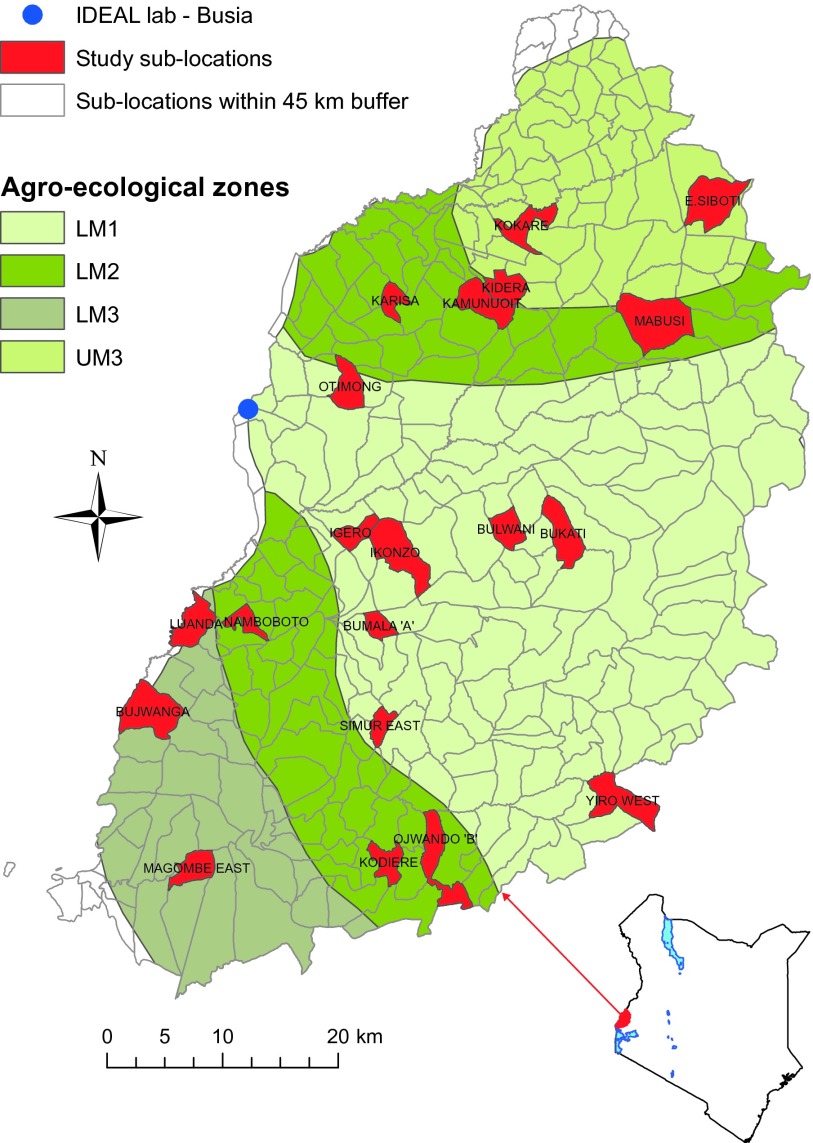
Fig. 1
Fig. 1. Map of study area in western Kenya.
Map shows location of the study area and distinguishes different agroecological zones. Calves were recruited from 20 different sublocations (red), all falling within 45 km from the IDEAL project field laboratory in Busia town.
Fig. 2
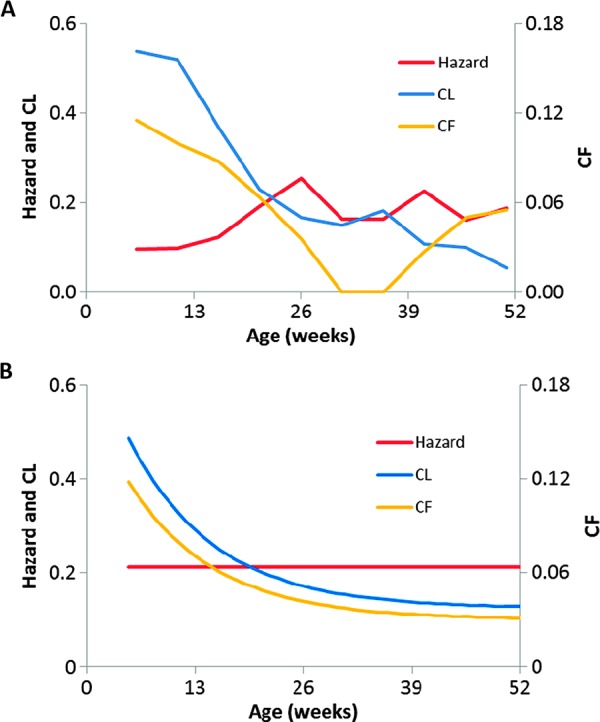
Fig. 2. Age-related variation in risks of T. parva infection, clinical illness, and death from ECF.
(A) Empirical estimates of (i) hazard of seroconversion to T. parva (18), with censoring of non–T. parva–related deaths and adjusted for a 14-day delay between infection and a detectable antibody response; (ii) case fatality rate (probability of death conditional on infection, CF); (iii) net clinical rate (probability of death or ECF-like illness conditional on infection, CL). In contrast to hazard, CF and CL both decrease with age (Poisson regression: F1,8 = 10.4, P = 0.012 and F1,8 = 57.7, P < 0.001, respectively). (B) Model-predicted estimates for hazard and corresponding predictions for CF and CL with age. Model equations are given in Materials and Methods; parameter estimates are as in Table 3.
Fig. 3
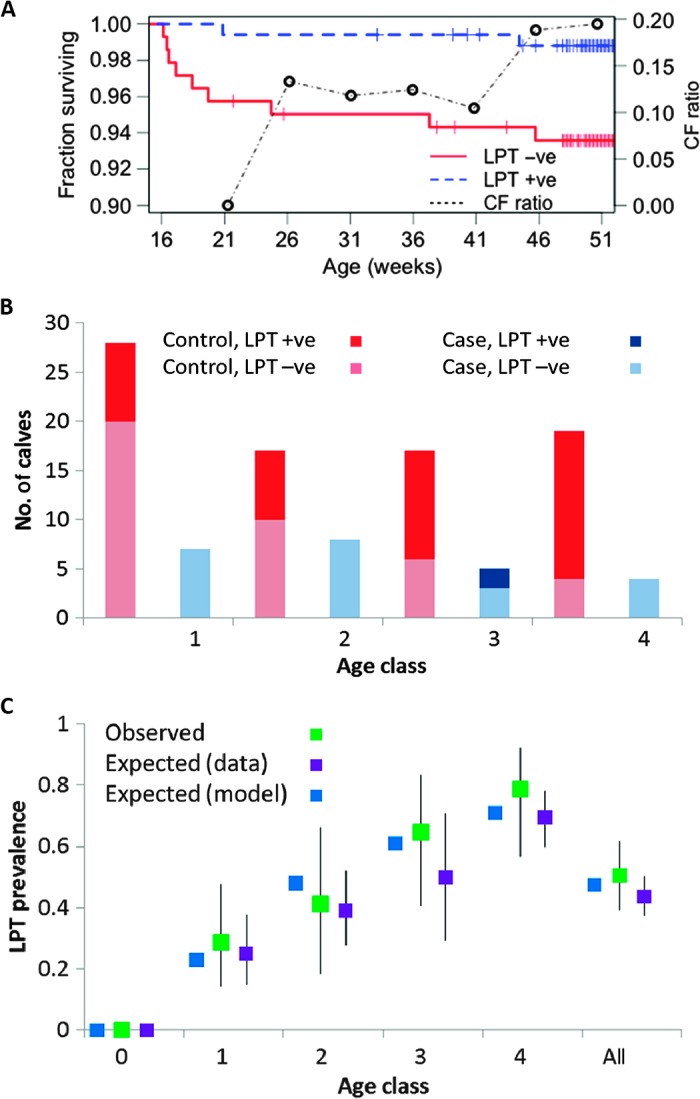
Fig. 3. Epidemiology of LPT infections and relationships with clinical outcome of T. parva infection.
(A) Kaplan-Meier plot for calves first infected by T. parva at >16 weeks of age. Observed fractions surviving for those initially exposed (n = 169) and unexposed (n = 141) to LPT are compared. Tick marks indicate censoring (due to non-ECF deaths or end of observation period). A log-rank test indicates a significant difference [χ2(1) = 6.2, P = 0.013]. The change in overall relative risk for the two groups (CF ratio) as the calves age indicates falling levels of protection and is consistent with model predictions (see table S2). (B) Numbers of case and control calves by age class (1 to 4; see Table 1) and detection or nondetection of LPT, having excluded five calves with unknown LPT status. Controlling for age, detection of LPT is significantly protective (odds ratio = 0.11, P = 0.002). (C) Comparison of observed age-related LPT prevalences at time of first detection of T. parva surviving case-control calves (n = 81) in different age classes and overall (with 95% CIs) with expected prevalences averaged over all visits when T. parva was not detected. Expected prevalences in surviving calves from a mathematical model (see main text) are compared.
Fig. 4
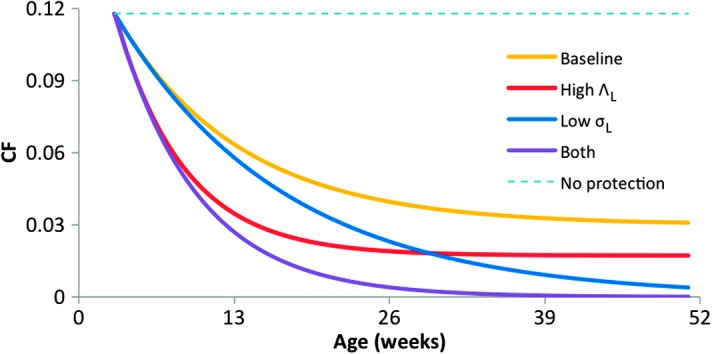
Fig. 4. Sensitivity analysis of mathematical model.
Sensitivity analysis of model-predicted, age-related changes in the case fatality rate (CF) for different values of the force of infection with LPT (ΛL) and the rate of clearance of LPT infections (σL). ΛL and σL are varied as indicated, baseline and other parameter values as in Table 3, and high ΛL indicates 2× the baseline and low σL corresponds to a value of zero. CF is constant with age in the absence of heterologous protection by LPT.
Fig. 5
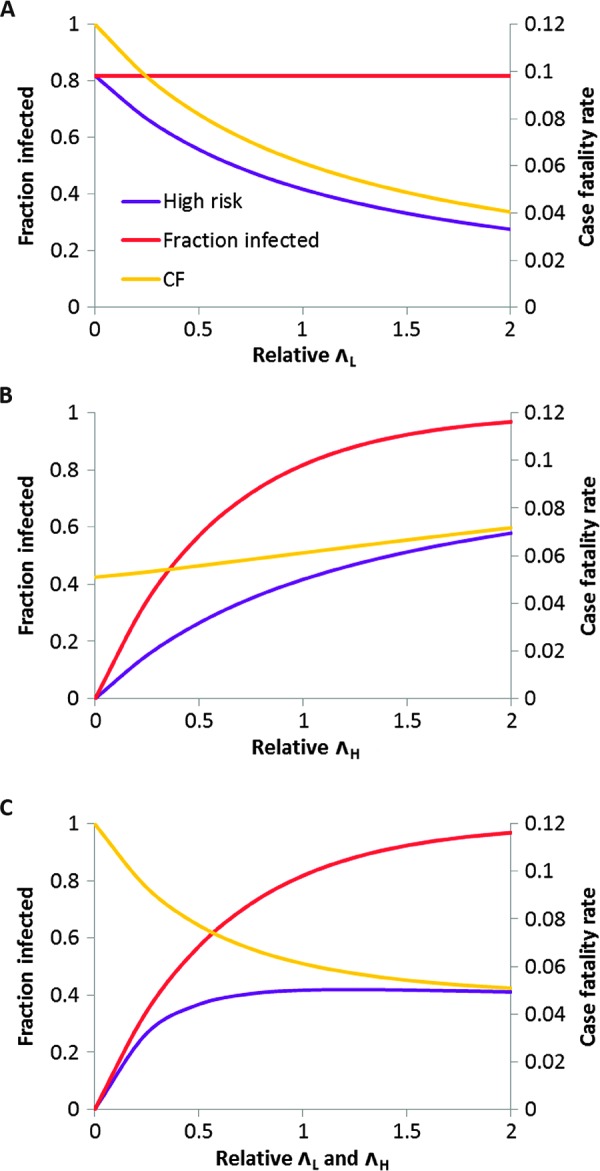
Fig. 5. Modeling the effect of LPT infections on clinical burden due to T. parva.
(A) Model outputs for scenario A, changing the force of infection for LPT species, ΛL (relative to baseline, scaled to 1 on horizontal axis), but not changing ΛH. Baseline parameter values are as in Table 3. Fraction of calves infected with T. parva before 1 year old (unchanged), high-risk infections only, and overall case fatality rate are shown. (B) Same outputs for scenario B, changing the force of infection for T. parva, ΛH, but not changing ΛL. (C) Same outputs for scenario C, changing both ΛH and ΛL. In contrast to scenario B, there is minimal change in the fraction of calves at high risk over a fourfold change (from 0.5 to 2) in relative forces of infection for this set of parameter values.

References

    1. Dye C., Williams B. G., The population dynamics and control of tuberculosis. Science 328, 856–861 (2010). - PubMed
    1. Read A. F., Taylor L. H., The ecology of genetically diverse infections. Science 292, 1099–1102 (2001). - PubMed
    1. Lello J., Boag B., Fenton A., Stevenson I. R., Hudson P. J., Competition and mutualism among the gut helminths of a mammalian host. Nature 428, 840–844 (2004). - PubMed
    1. Telfer S., Lambin X., Birtles R., Beldomenico P., Burthe S., Paterson S., Begon M., Species interactions in a parasite community drive infection risk in a wildlife population. Science 330, 243–246 (2010). - PMC - PubMed
    1. Hotez P. J., Kamath A., Neglected tropical diseases in sub-Saharan Africa: Review of their prevalence, distribution, and disease burden. PLOS Negl. Trop. Dis. 3, e412 (2009). - PMC - PubMed