Electrum, the Gold-Silver Alloy, from the Bulk Scale to the Nanoscale: Synthesis, Properties, and Segregation Rules
- PMID: 26605557
- PMCID: PMC4734609
- DOI: 10.1021/acsnano.5b05755
Electrum, the Gold-Silver Alloy, from the Bulk Scale to the Nanoscale: Synthesis, Properties, and Segregation Rules
Abstract
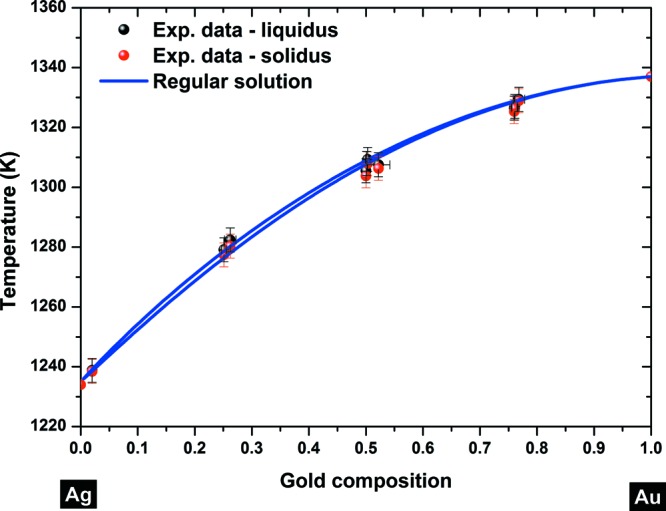
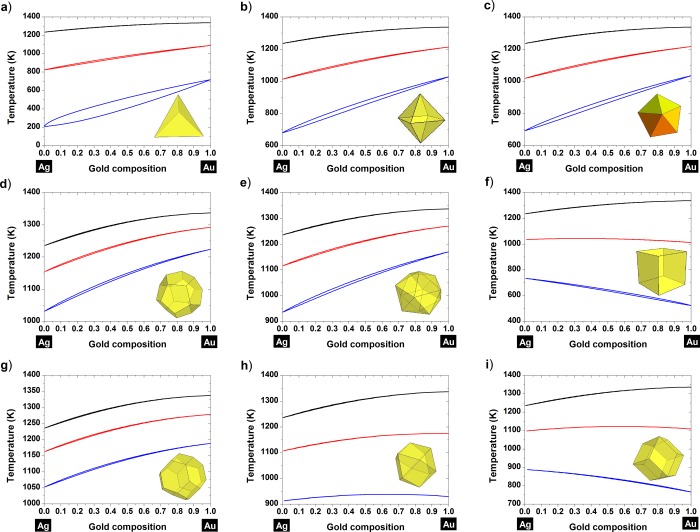
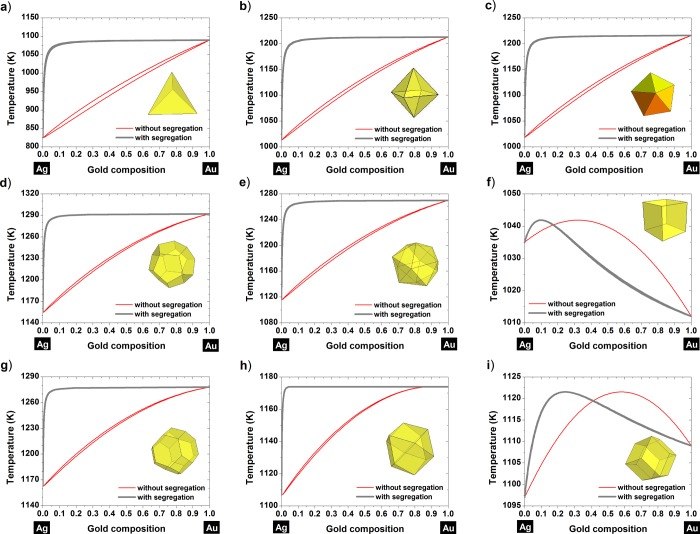
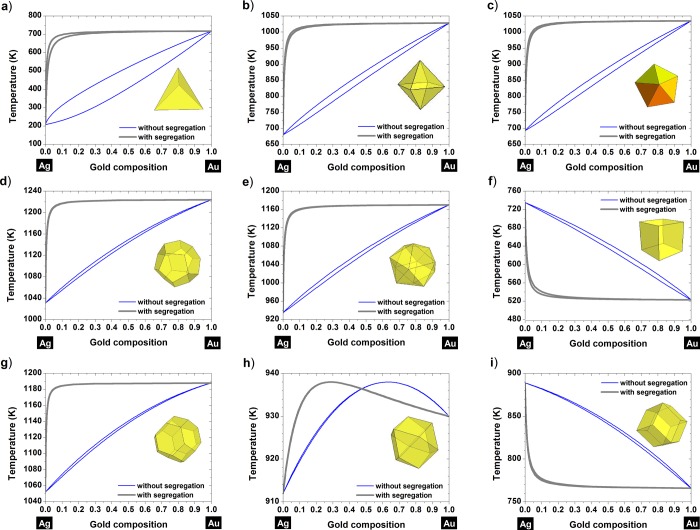
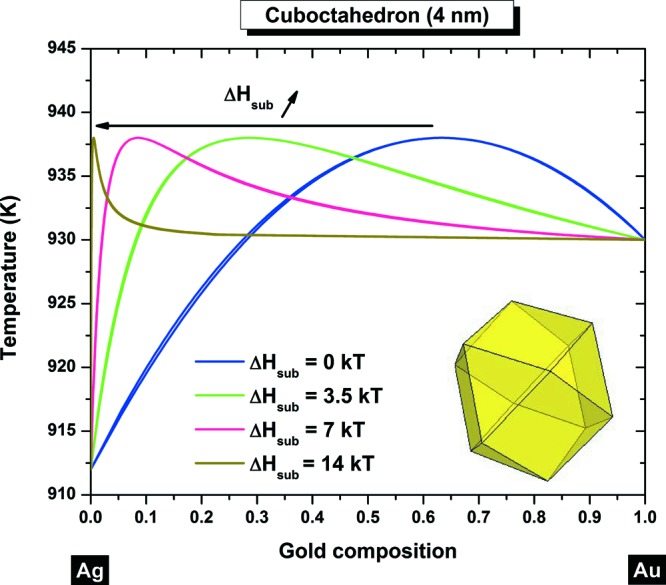
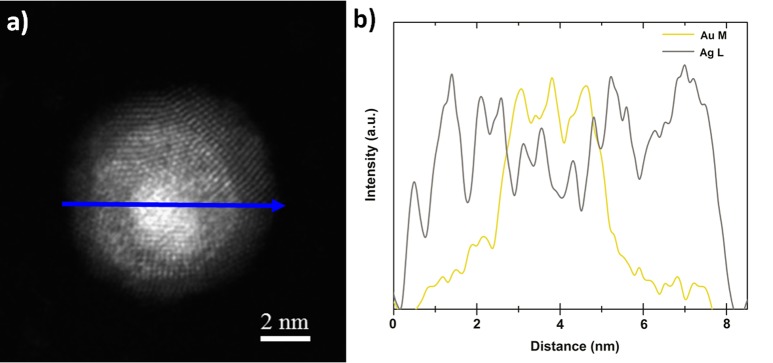
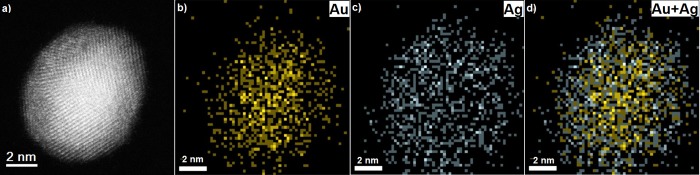
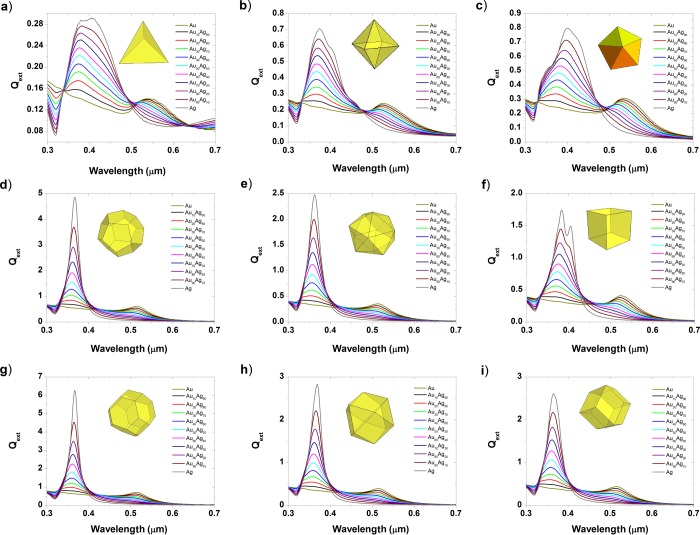
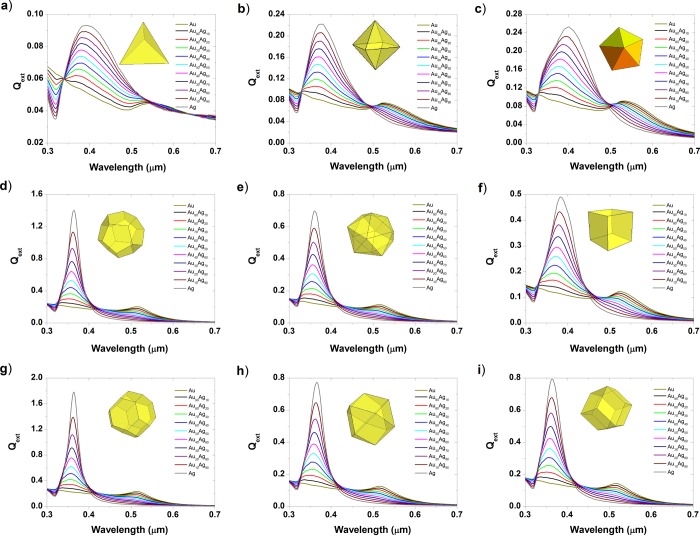
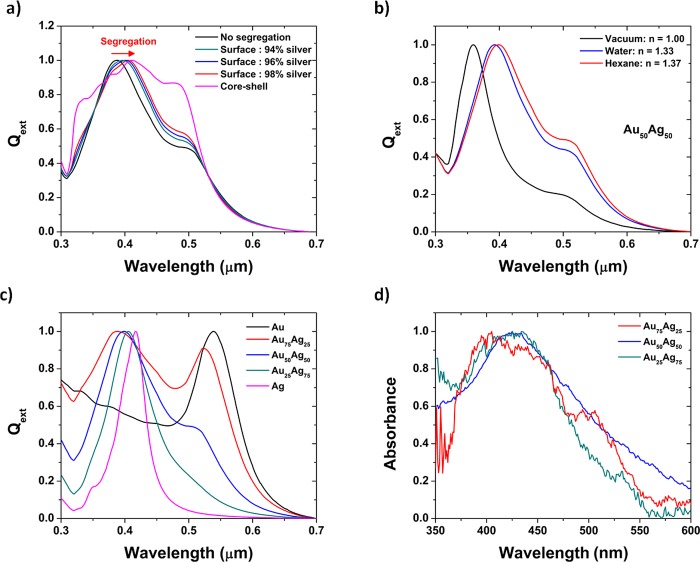
The alloy Au-Ag system is an important noble bimetallic phase, both historically (as "Electrum") and now especially in nanotechnology, as it is applied in catalysis and nanomedicine. To comprehend the structural characteristics and the thermodynamic stability of this alloy, a knowledge of its phase diagram is required that considers explicitly its size and shape (morphology) dependence. However, as the experimental determination remains quite challenging at the nanoscale, theoretical guidance can provide significant advantages. Using a regular solution model within a nanothermodynamic approach to evaluate the size effect on all the parameters (melting temperature, melting enthalpy, and interaction parameters in both phases), the nanophase diagram is predicted. Besides an overall shift downward, there is a "tilting" effect on the solidus-liquidus curves for some particular shapes exposing the (100) and (110) facets (cube, rhombic dodecahedron, and cuboctahedron). The segregation calculation reveals the preferential presence of silver at the surface for all the polyhedral shapes considered, in excellent agreement with the latest transmission electron microscopy observations and energy dispersive spectroscopy analysis. By reviewing the nature of the surface segregated element of different bimetallic nanoalloys, two surface segregation rules, based on the melting temperatures and surface energies, are deduced. Finally, the optical properties of Au-Ag nanoparticles, calculated within the discrete dipole approximation, show the control that can be achieved in the tuning of the local surface plasmon resonance, depending of the alloy content, the chemical ordering, the morphology, the size of the nanoparticle, and the nature of the surrounding environment.
Keywords: aberration corrected electron microscopy; nanothermodynamics; noble metals; optical properties; phase diagram; polyhedra; surface segregation; thermal properties.
Conflict of interest statement
The authors declare no competing financial interest.
Figures
References
-
- Botros N. S. Gold in Egypt: Does the future get worse or better?. Ore Geol. Rev. 2015, 67, 189–207. 10.1016/j.oregeorev.2014.11.018. - DOI
-
- Grote G.A History of Greece; From the Earliest Period to the Close of the Generation Contemporary with Alexander the Great; J. Murray: 1907; Vol. 2.
-
- Troalen L. G.; Tate J.; Guerra M. F. Goldwork in Ancient Egypt: workshop practices at Qurneh in the 2nd Intermediate Period. J. Archaeol. Sci. 2014, 50, 219–226. 10.1016/j.jas.2014.07.010. - DOI
-
- Wallace R. W. The origin of Electrum Coinage. Am. J. Archaeol. 1987, 91, 385–397. 10.2307/505360. - DOI
-
- Louis C.; Pluchery O.. Gold Nanoparticles for Physics, Chemistry and Biology; Imperial College Press: 2012.
Publication types
MeSH terms
Substances
Grants and funding
LinkOut - more resources
Full Text Sources
Other Literature Sources