


Drug target prioritization by perturbed gene expression and network information
- PMID: 26615774
- PMCID: PMC4663505
- DOI: 10.1038/srep17417
Drug target prioritization by perturbed gene expression and network information
Abstract
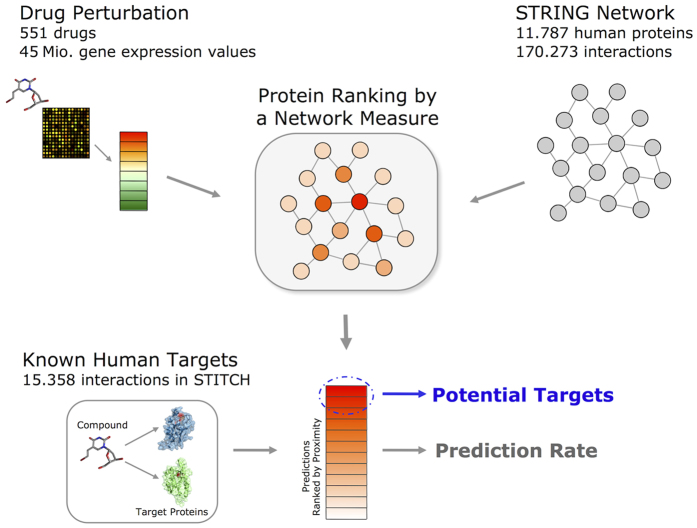
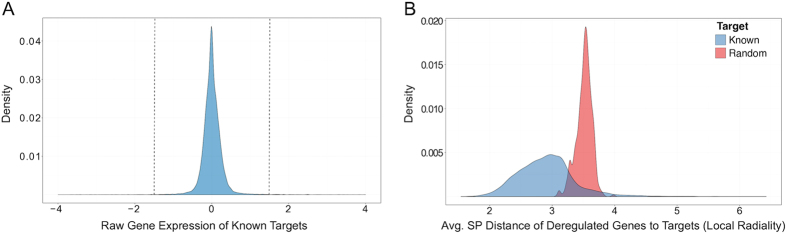
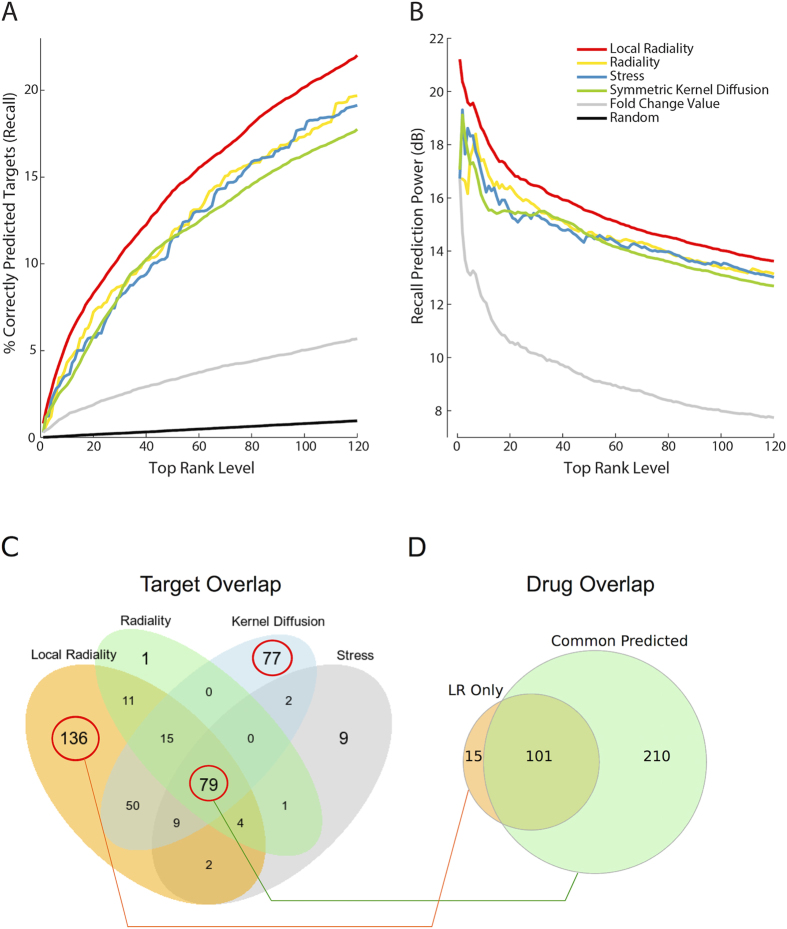
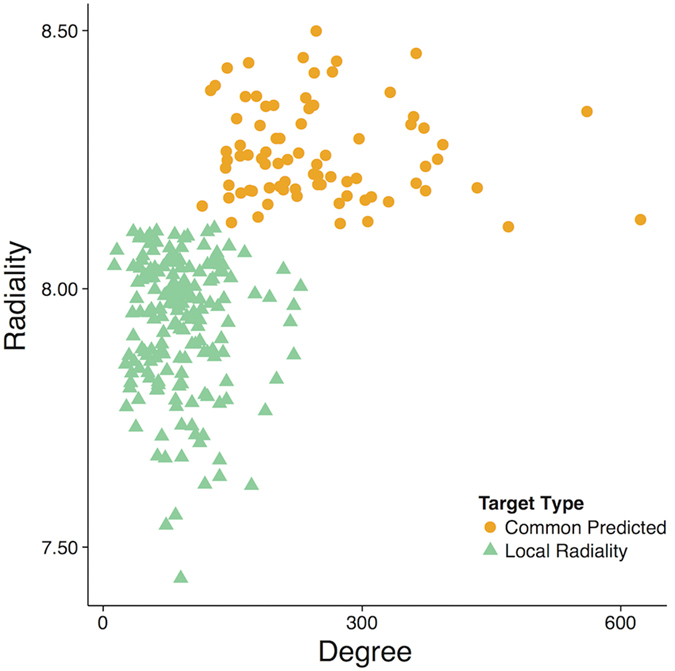
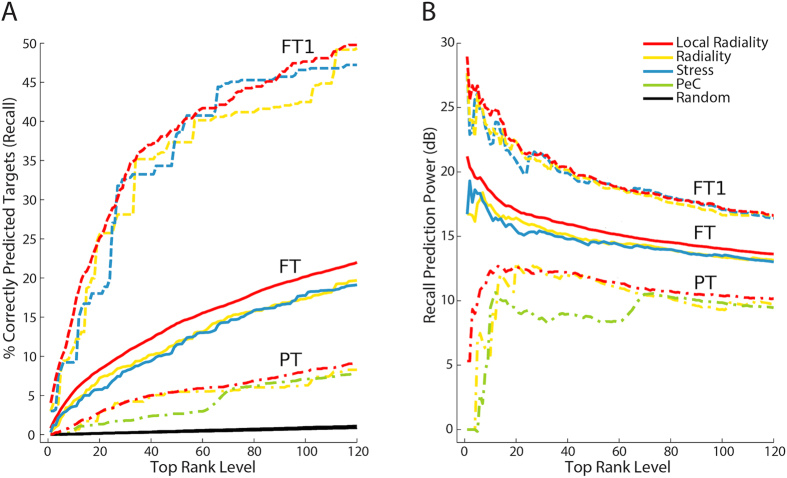
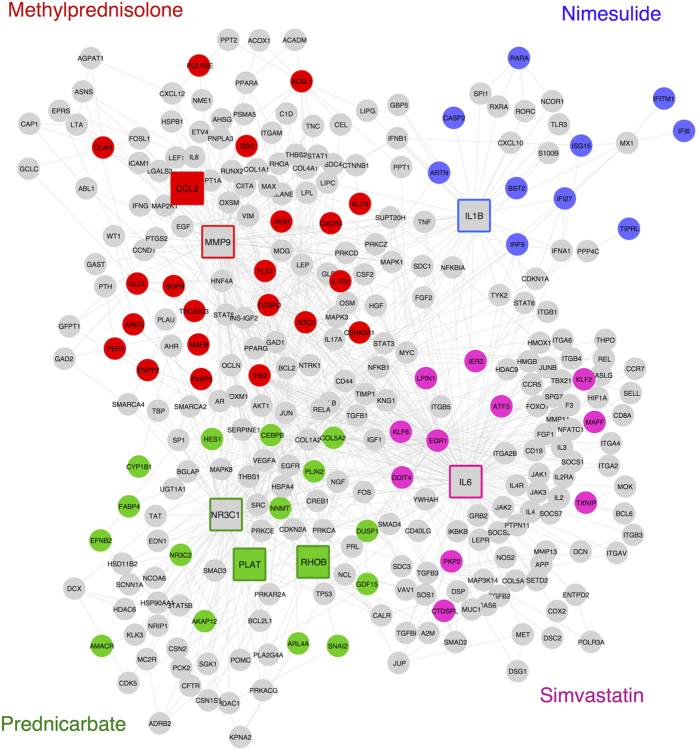
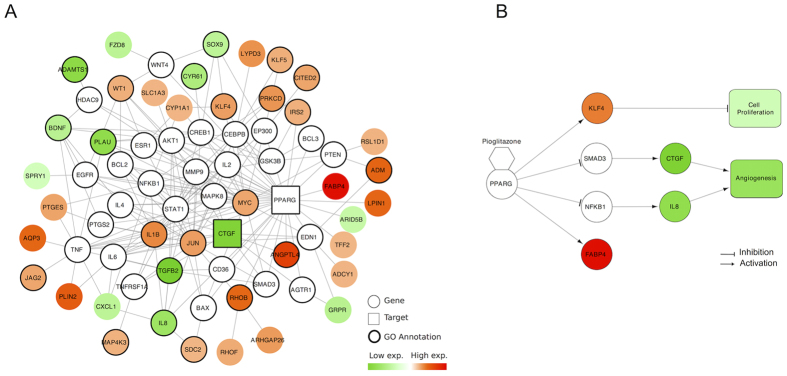
Drugs bind to their target proteins, which interact with downstream effectors and ultimately perturb the transcriptome of a cancer cell. These perturbations reveal information about their source, i.e., drugs' targets. Here, we investigate whether these perturbations and protein interaction networks can uncover drug targets and key pathways. We performed the first systematic analysis of over 500 drugs from the Connectivity Map. First, we show that the gene expression of drug targets is usually not significantly affected by the drug perturbation. Hence, expression changes after drug treatment on their own are not sufficient to identify drug targets. However, ranking of candidate drug targets by network topological measures prioritizes the targets. We introduce a novel measure, local radiality, which combines perturbed genes and functional interaction network information. The new measure outperforms other methods in target prioritization and proposes cancer-specific pathways from drugs to affected genes for the first time. Local radiality identifies more diverse targets with fewer neighbors and possibly less side effects.
Figures
References
-
- Lamb J. et al. The connectivity map: using gene-expression signatures to connect small molecules, genes, and disease. Science 313, 1929–35 (2006). - PubMed
-
- Laenen G., Thorrez L., Bornigen D. & Moreau Y. Finding the targets of a drug by integration of gene expression data with a protein interaction network. Mol BioSyst 9, 1676–85 (2013). - PubMed
Publication types
MeSH terms
LinkOut - more resources
Full Text Sources
Other Literature Sources
