. 2015 Dec 1:5:17391.
doi: 10.1038/srep17391.

Discovery and characterization of novel inhibitors of the sodium-coupled citrate transporter (NaCT or SLC13A5)

Affiliations

Discovery and characterization of novel inhibitors of the sodium-coupled citrate transporter (NaCT or SLC13A5)

Kim Huard et al. Sci Rep. .

Abstract

Citrate is a key regulatory metabolic intermediate as it facilitates the integration of the glycolysis and lipid synthesis pathways. Inhibition of hepatic extracellular citrate uptake, by blocking the sodium-coupled citrate transporter (NaCT or SLC13A5), has been suggested as a potential therapeutic approach to treat metabolic disorders. NaCT transports citrate from the blood into the cell coupled to the transport of sodium ions. The studies herein report the identification and characterization of a novel small dicarboxylate molecule (compound 2) capable of selectively and potently inhibiting citrate transport through NaCT, both in vitro and in vivo. Binding and transport experiments indicate that 2 specifically binds NaCT in a competitive and stereosensitive manner, and is recognized as a substrate for transport by NaCT. The favorable pharmacokinetic properties of 2 permitted in vivo experiments to evaluate the effect of inhibiting hepatic citrate uptake on metabolic endpoints.


Conflict of interest statement

All authors were employed by Pfizer during the completion and analyses of these studies

Figures
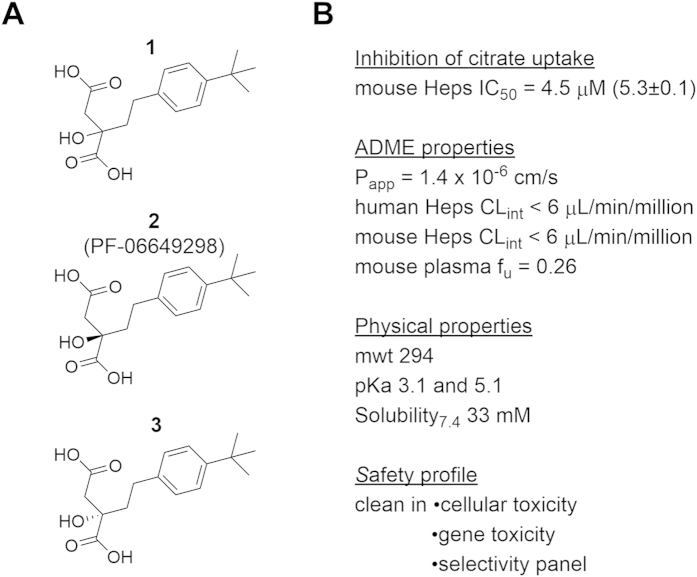
Figure 1
Figure 1. Structure of dicarboxylates 1–3 and in vitro profile of dicarboxylate 2 (PF-06649298).
(A) Chemical structure of racemic dicarboxylate 1 and its enantiomers 2 and 3. (B) In vitro profile of dicarboxylate 2. Inhibition of citrate uptake was measured in mouse hepatocytes. IC50 is reported as a geometric mean of at least 3 replicates with pIC50 ± SD in parentheses. mwt = molecular weight. Papp = apparent passive permeability. Heps = hepatocytes. CLint = intrinsic clearance. fu = fraction unbound.
Figure 2
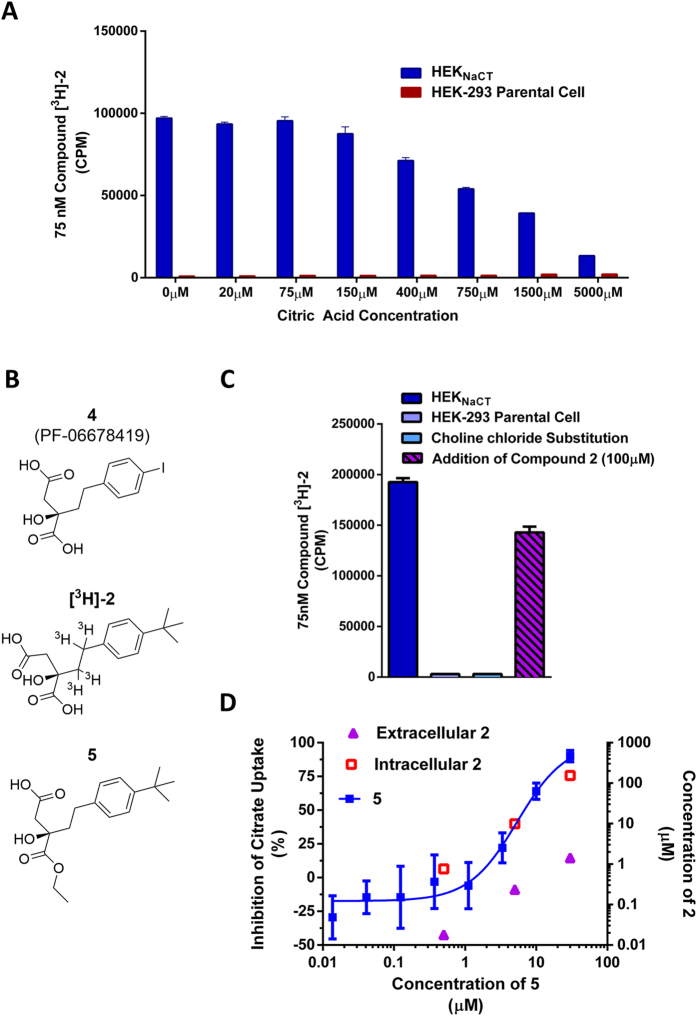
Figure 2. Characterization of the interaction between compound 2 and HEKNaCT cells.
(A) Interaction of compound [3H]-2 (75 nM) with HEK-293 and HEKNaCT cells competed with increasing amounts of citric acid (n = 3). (B) Chemical structure of dicarboxylate 4, tritiated [3H]-2 and ester 5. (C) Using compound [3H]-2 (75 nM) from left to right, interaction after 2 hours of incubation in; (1) HEKNaCT, (2) parental HEK-293 cells, (3) HEKNaCT with sodium chloride replaced by choline chloride, and (4) following an additional 2 hours incubation with 100 μM of compound 2 (n = 3). (D) Inhibition of citrate uptake in human hepatocytes using the prodrug 5 with measurements of intracellular and extracellular conversion to compound 2 (n = 5).
Figure 3
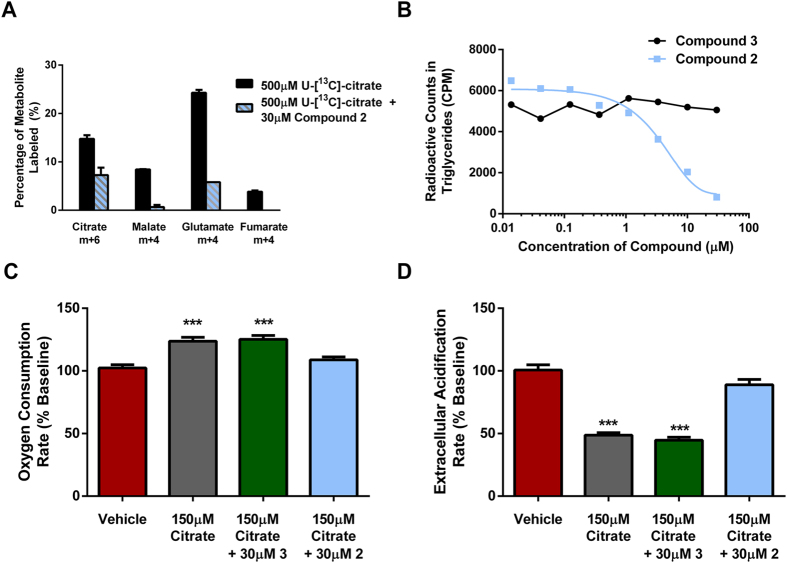
Figure 3. Impact of citrate and compound 2 or 3 on cellular metabolism.
(A) U-[13C]-citrate uptake and incorporation into malate, glutamate, and fumarate as a percentage of total cellular concentrations. No label was detected in cells treated with unlabeled citrate (n = 2). (B) Incorporation of [14C]-citric acid into triglycerides in human hepatocytes, treated with either compound 2 or 3 (n = 1). (C,D) Oxygen consumption and extracellular acidification rates in HEKNaCT treated with vehicle, compound 2 or 3 (***P < 0.001; one-way ANOVA - Tukey’s multiple comparison test).
Figure 4
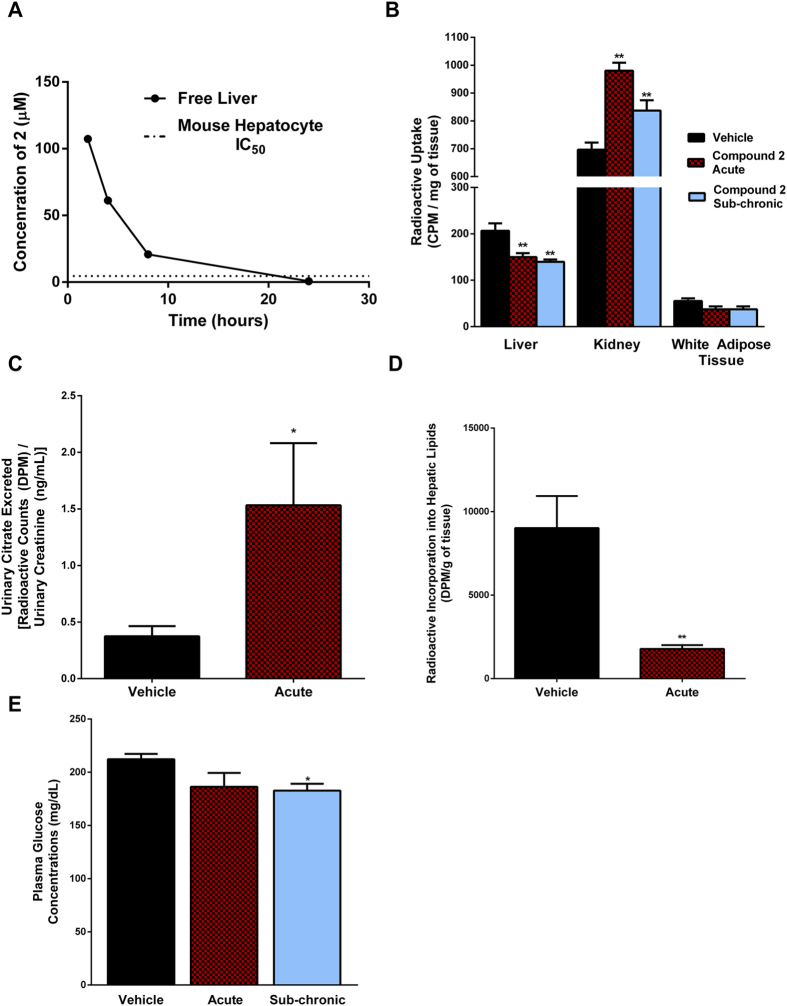
Figure 4. In vivo citrate metabolism in mice treated with compound 2.
(A) Free liver exposure of compound 2 in mice after an oral dose of 250 mg/kg. (B) Uptake of radioactive [14C]-citric acid in liver, kidney and white adipose tissue in DIO mice treated with either vehicle, a single 250 mg/kg dose (‘acute’) of compound 2, or 3 days 250 mg/kg BID (‘sub-chronic’) of compound 2 (**P<0.01, One-way ANOVA – Dunnett’s post hoc test, n = 9–10). (C) Radioactive accumulation in urine over 24-hours of mice dosed with a radioactive bolus of [14C]-citric acid, and treated with either vehicle or compound 2 (*P = 0.07, Student’s t test, n = 5). (D) Incorporation of radioactive [14C]-citric acid into lipids in mice treated with either vehicle or compound 2 (**P < 0.01, Student’s t-test, n = 8). (E) Plasma glucose concentrations in DIO mice treated with either a single 250 mg/kg dose of compound 2, or 3 days 250 mg/kg BID with compound 2 (n = 9–10).
Figure 5
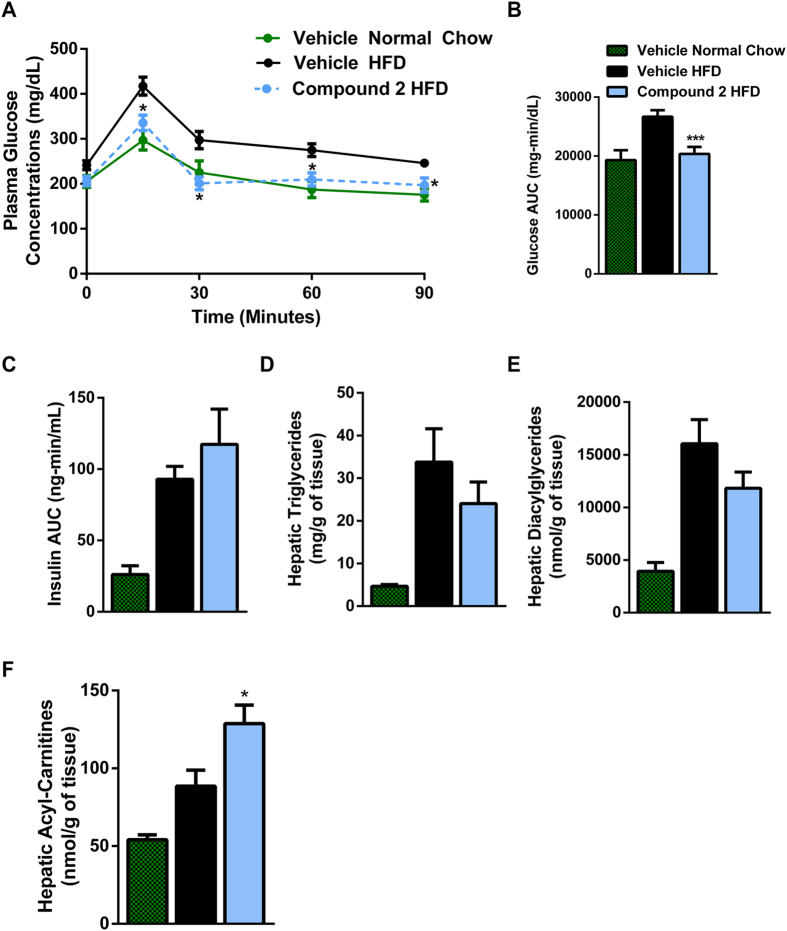
Figure 5. Effect in mice treated chronically with 2.
(A) Plasma glucose concentrations during an OGTT following treatment for 20 days with 250 mg/kg BID compound 2 (*P < 0.05, n = 5 normal chow, n = 10 for each HFD group). (B) Plasma glucose concentrations AUC (***P < 0.005, One-way ANOVA – Dunnett’s post hoc test). (C) Plasma insulin concentrations AUC. (D–F) Hepatic triglycerides, diacylglycerides, and acyl-carnitines from livers of mice treated with 250 mg/kg BID compound 2 for 21 days (n = 5 normal chow, n = 10 for each HFD group, *P < 0.05, One-way ANOVA – Dunnett’s post hoc test).

References

    1. Magnusson I., Rothman D. L., Katz L. D., Shulman R. G. & Shulman G. I. Increased rate of gluconeogenesis in type II diabetes mellitus a 13C nuclear magnetic resonance study. J. Clin. Invest. 90, 1323–1327 (1992). - PMC - PubMed
    1. Browning J. D. et al. Prevalence of hepatic steatosis in an urban population in the United States: Impact of ethnicity. Hepatology 40, 1387–1395, 10.1002/hep.20466 (2004). - DOI - PubMed
    1. Eckel R. H., Grundy S. M. & Zimmet P. Z. The metabolic syndrome. Lancet 365, 1415–1428, 10.1016/S0140-6736(05)66378-7 (2005). - DOI - PubMed
    1. McCullough A. J. Pathophysiology of nonalcoholic steatohepatitis. J. Clin. Gastroenterol. 40, S17–S29, 10.1097/01.mcg.0000168645.86658.22 (2006). - DOI - PubMed
    1. Inzucchi S. E. et al. Efficacy and metabolic effects of metformin and troglitazone in type II diabetes mellitus. New Engl. J. Med. 338, 867–872, 10.1056/NEJM199803263381303 (1998). - DOI - PubMed