


Prediction and Characterisation of the System Effects of Aristolochic Acid: A Novel Joint Network Analysis towards Therapeutic and Toxicological Mechanisms
- PMID: 26620132
- PMCID: PMC4664954
- DOI: 10.1038/srep17646
Prediction and Characterisation of the System Effects of Aristolochic Acid: A Novel Joint Network Analysis towards Therapeutic and Toxicological Mechanisms
Abstract
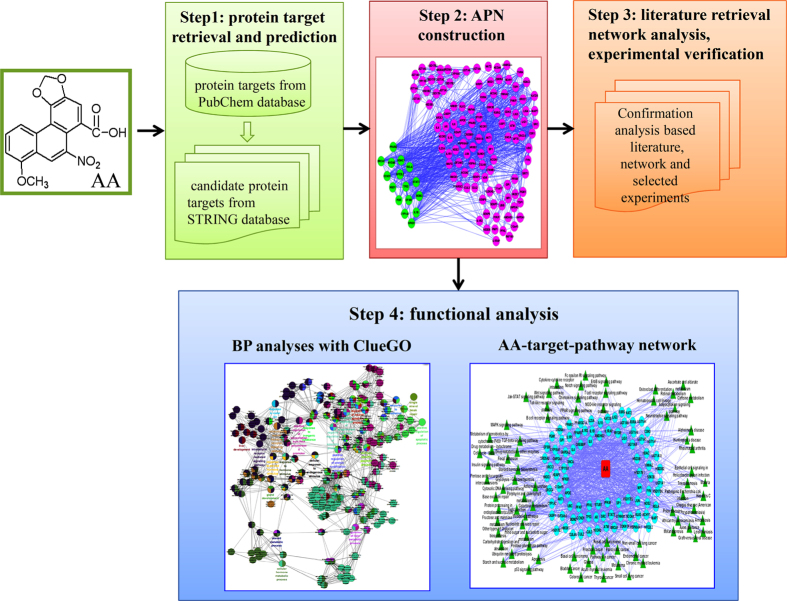
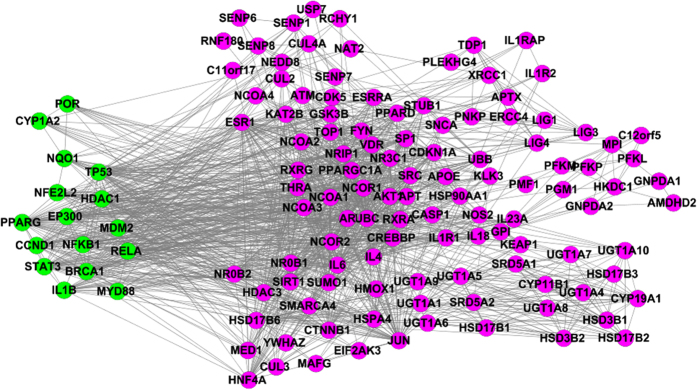
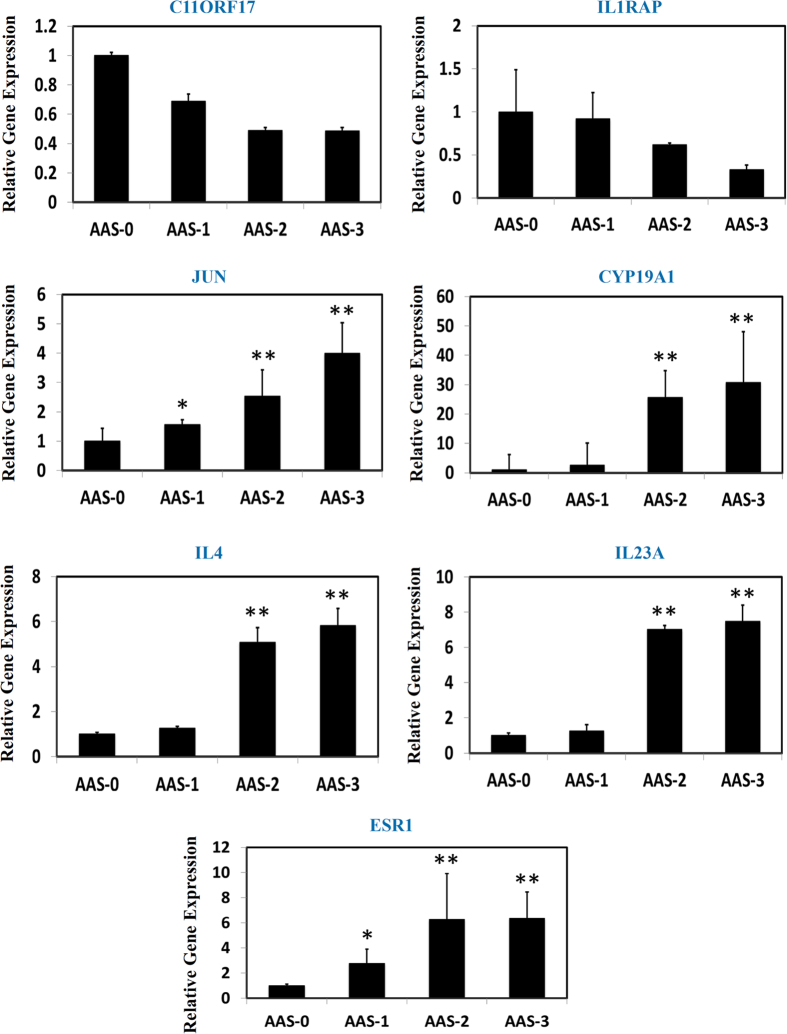
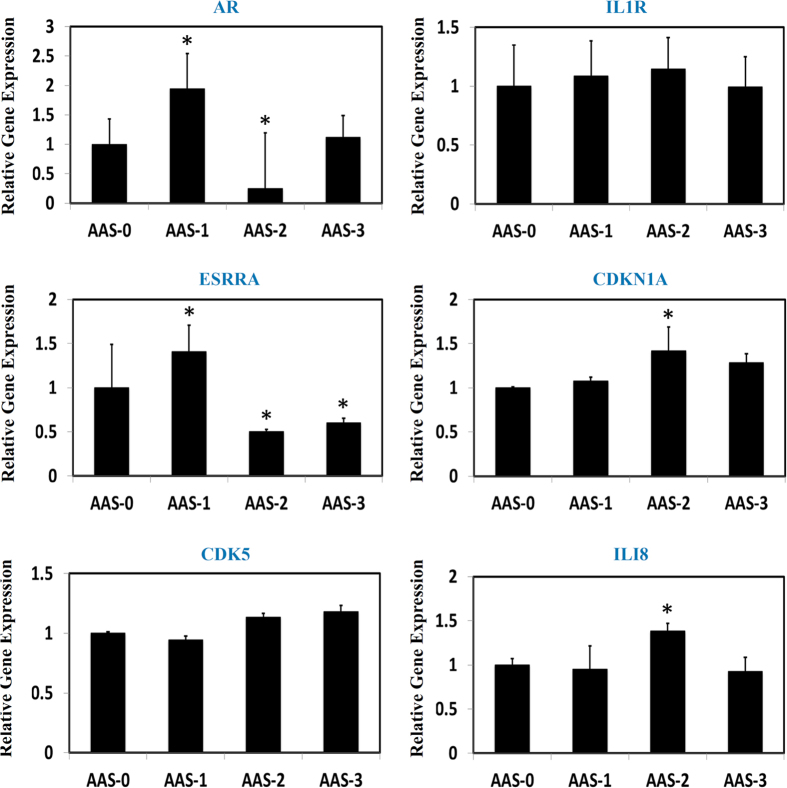
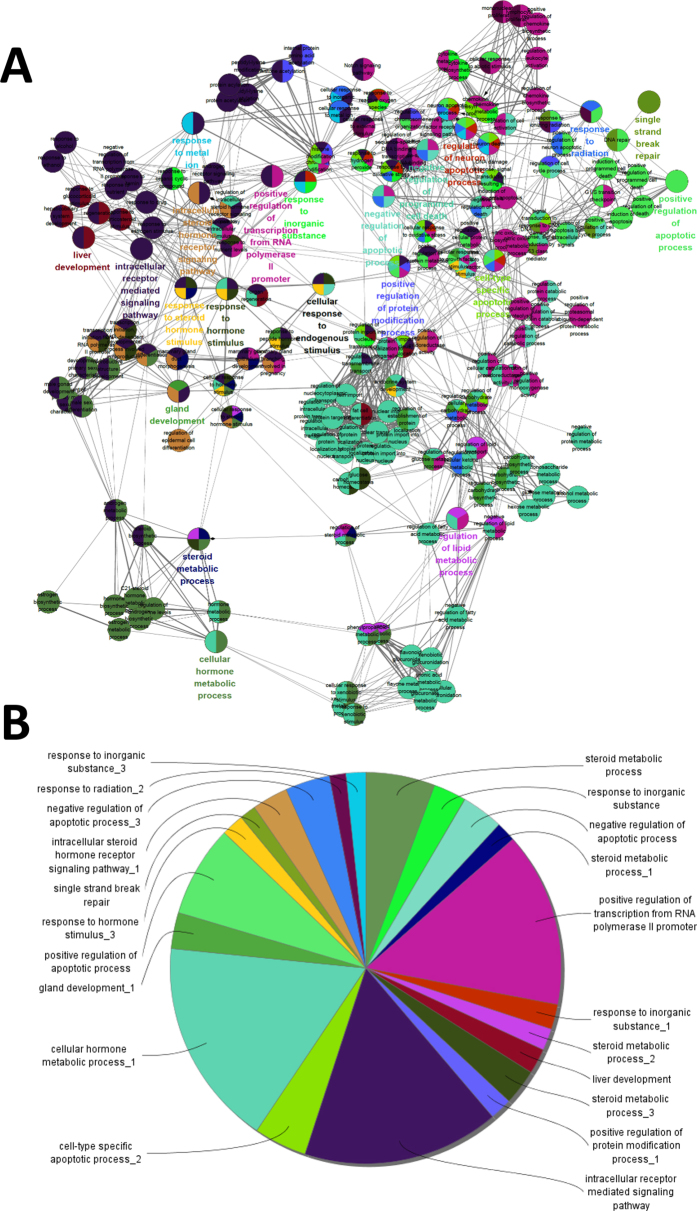
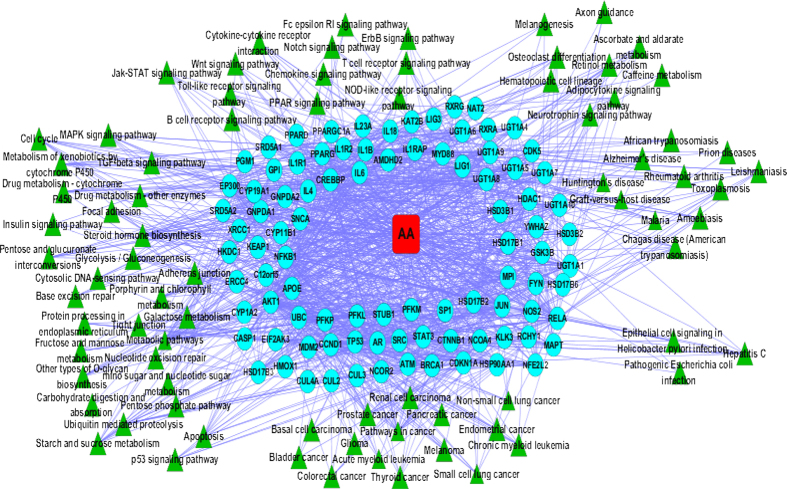
Aristolochic acid (AA) is the major active component of medicinal plants from the Aristolochiaceae family of flowering plants widely utilized for medicinal purposes. However, the molecular mechanisms of AA systems effects remain poorly understood. Here, we employed a joint network analysis that combines network pharmacology, a protein-protein interaction (PPI) database, biological processes analysis and functional annotation analysis to explore system effects. Firstly, we selected 15 protein targets (14 genes) in the PubChem database as the potential target genes and used PPI knowledge to incorporate these genes into an AA-specific gene network that contains 129 genes. Secondly, we performed biological processes analysis for these AA-related targets using ClueGO, some of new targeted genes were randomly selected and experimentally verified by employing the Quantitative Real-Time PCR assay for targeting the systems effects of AA in HK-2 cells with observed dependency of concentration. Thirdly, the pathway-based functional enrichment analysis was manipulated using WebGestalt to identify the mostly significant pathways associated with AA. At last, we built an AA target pathway network of significant pathways to predict the system effects. Taken together, this joint network analysis revealed that the systematic regulatory effects of AA on multidimensional pathways involving both therapeutic action and toxicity.
Figures
References
-
- Arlt V. M., Stiborova M. & Schmeiser H. H. Aristolochic acid as a probable human cancer hazard in herbal remedies: a review. Mutagenesis 17, 265–277 (2002). - PubMed
-
- Arlt V. M. et al. Aristolochic acid mutagenesis: molecular clues to the aetiology of Balkan endemic nephropathy-associated urothelial cancer. Carcinogenesis 28, 2253–2261 (2007). - PubMed
-
- Negi P., Anandharamakrishnan C. & Jayaprakasha G. Antibacterial activity of Aristolochia bracteata root extracts. Journal of medicinal food 6, 401–403 (2003). - PubMed
-
- Cronin A. J. et al. Aristolochic acid as a causative factor in a case of Chinese herbal nephropathy. Nephrology Dialysis Transplantation 17, 524–525 (2002). - PubMed
Publication types
MeSH terms
Substances
LinkOut - more resources
Full Text Sources
Other Literature Sources
