


Prevalence and predictors of exclusive breastfeeding for the first six months of life among women in Halaba special woreda, Southern Nations, Nationalities and Peoples' Region/SNNPR/, Ethiopia: a community based cross-sectional study
- PMID: 26629339
- PMCID: PMC4665324
- DOI: 10.1186/s13690-015-0098-4
Prevalence and predictors of exclusive breastfeeding for the first six months of life among women in Halaba special woreda, Southern Nations, Nationalities and Peoples' Region/SNNPR/, Ethiopia: a community based cross-sectional study
Abstract
Background: Exclusive breastfeeding is defined as feeding infants only breast milk, be it directly from breast or expressed, with no addition of any liquid or solids apart from drops or syrups consisting of vitamins, mineral supplements or medicine, and nothing else. Several studies have shown that exclusive breastfeeding for the first six months plays a great role in preventing morbidity and mortality. In Ethiopia, for example, mortality rates of infant and children younger than five years are high. Understanding the prevalence and predictors that influence exclusive breastfeeding in this is crucial to promoting the practice.
Objectives: To assess the prevalence and predictors of exclusive breastfeeding with in the first six months of life among women in Halaby special woreda, SNNPR (Southern Nations, Nationalities and Peoples' Region) Ethiopia.
Methods: A community-based cross sectional study was conducted between November 2013 and January 2014 among women with infants aged less than 6 months and the sample size was 422 in Halaba special woreda, SNNPR (Southern Nations, Nationalities and Peoples' Region) Ethiopia. A random sampling technique was used in sampling the study subjects. Structured questionnaire was developed and adopted from EDHS 2011 and WHO standard and that all the variables to be assessed were incorporated. Data was entered and analyzed through using Epi Info 7 for Dos version 3.5.1 and Statistical Package for the Social Sciences (SPSS) software for windows version 20 respectively.
Results: The prevalence of exclusive breastfeeding was (70.5 %) and awareness of exclusive breastfeeding was (92.4 %). Antenatal follow up (AOR/Adjusted odds ratio = 1.9; 95 % CI, 1.05-3.6), postnatal follow up (AOR/Adjusted odds ratio = 2.2; 95 % CI, 1.25-3.87), initiation of breast feeding immediately within one hour (AOR/Adjusted odds ratio =3.8; 95 % CI, 2.4-6.2), attended formal school (AOR Adjusted odds ratio/=1.9;95 % CI,1.1-3.4), advice about exclusive breastfeeding (AOR Adjusted odds ratio/=6.3;95 % CI,1.3-30.9); and awareness about exclusive breastfeeding (AOR Adjusted odds ratio/= 8.2; 95 % CI 3.34-20), have significant association with exclusive breastfeeding.
Conclusions: Strategies that target improving awareness among women at health facility and community level help to improve exclusive breastfeeding. In addition, promotion of EBF for working mothers through working environment recommended.
Keywords: Exclusive breastfeeding; Predictor; Prevalence.
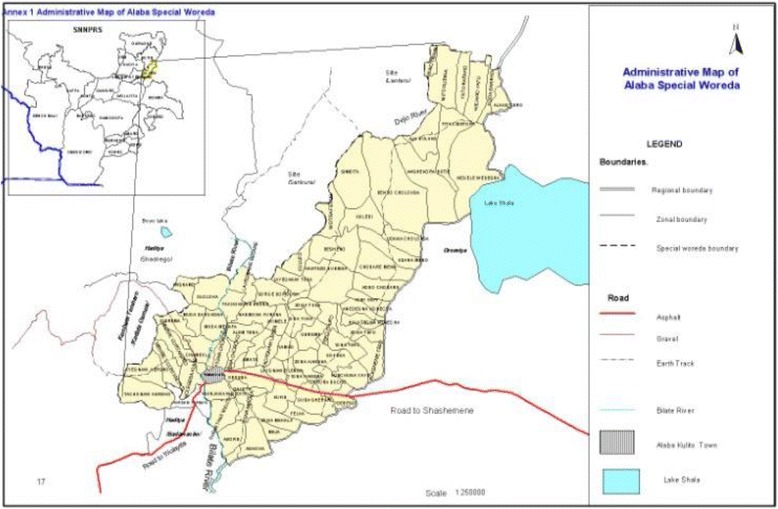
Figures



References
-
- Individual and contextual determinants of exclusive breast-feeding in Brazil: a multilevel analysis. Public Health Nutr. 2005;9(1):7. - PubMed
-
- Michael S, Kramer M, Ritsuko K. Optimal duration of exclusive breastfeeding a systematic review. World Health Organization; 2002.
-
- Maduforo A, Ubah C. The practice of exclusive breastfeeding by lactating women in Owerri metropolis, Imo State, Nigeria. Department of Nutrition and Dietetics, Imo State University Owerri, Nigeria. 2013;2(1):7.
-
- Peter J, Iliffa E, Naume V, Clare D, Kusum J, Lawrence H, et al. Early exclusive breastfeeding reduces the risk of postnatal HIV-1 transmission and increases HIV-free survival. Lippincott Williams & Wilkins. 2005;19(7). - PubMed
LinkOut - more resources
Full Text Sources
Other Literature Sources
