Review
. 2015 Dec 3;17(6):651-662.
doi: 10.1016/j.stem.2015.11.012.

Metabolic Reprogramming of Stem Cell Epigenetics

Affiliations
Review

Metabolic Reprogramming of Stem Cell Epigenetics

James G Ryall et al. Cell Stem Cell. .

Abstract

For many years, stem cell metabolism was viewed as a byproduct of cell fate status rather than an active regulatory mechanism; however, there is now a growing appreciation that metabolic pathways influence epigenetic changes associated with lineage commitment, specification, and self-renewal. Here we review how metabolites generated during glycolytic and oxidative processes are utilized in enzymatic reactions leading to epigenetic modifications and transcriptional regulation. We discuss how "metabolic reprogramming" contributes to global epigenetic changes in the context of naive and primed pluripotent states, somatic reprogramming, and hematopoietic and skeletal muscle tissue stem cells, and we discuss the implications for regenerative medicine.


Figures

Figure 1
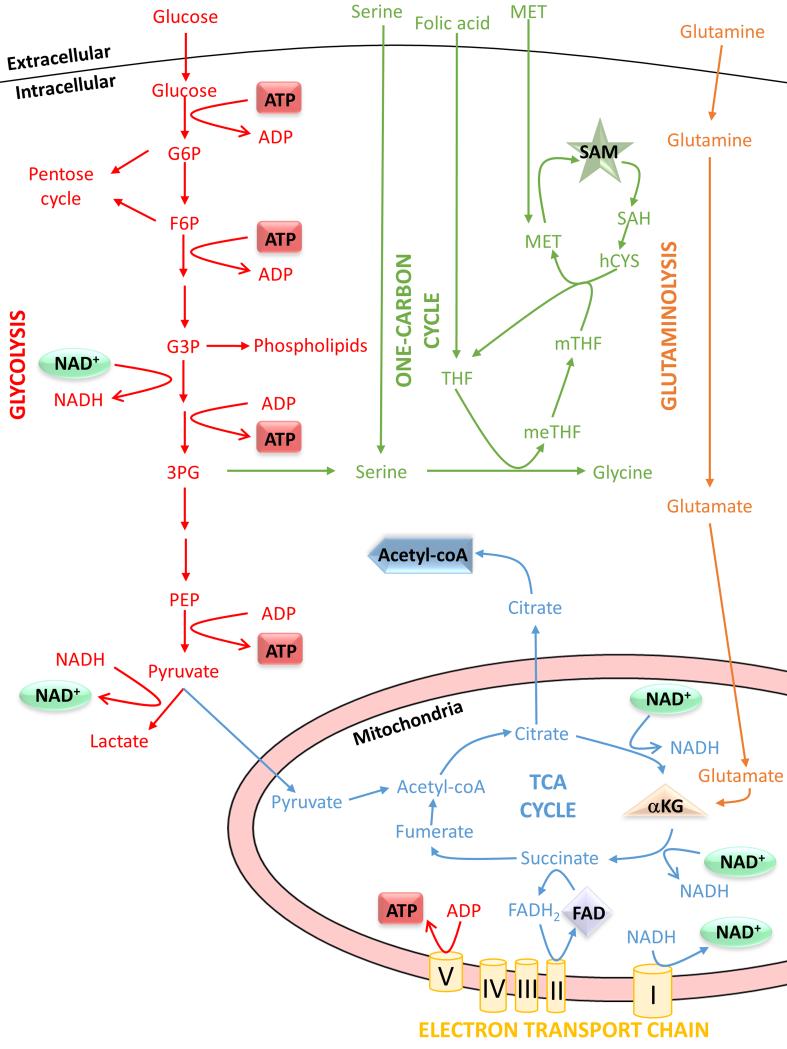
Figure 1. Cellular Metabolism and the Production of Metabolic Cofactors for Acetylation and Methylation Reactions
A schematic depicting the major metabolic pathways involved in the production of metabolites that act as co-factors for histone de/acetylation and histone/DNA de/methylation. Note that several intermediate steps have been excluded for clarity.
Figure 2
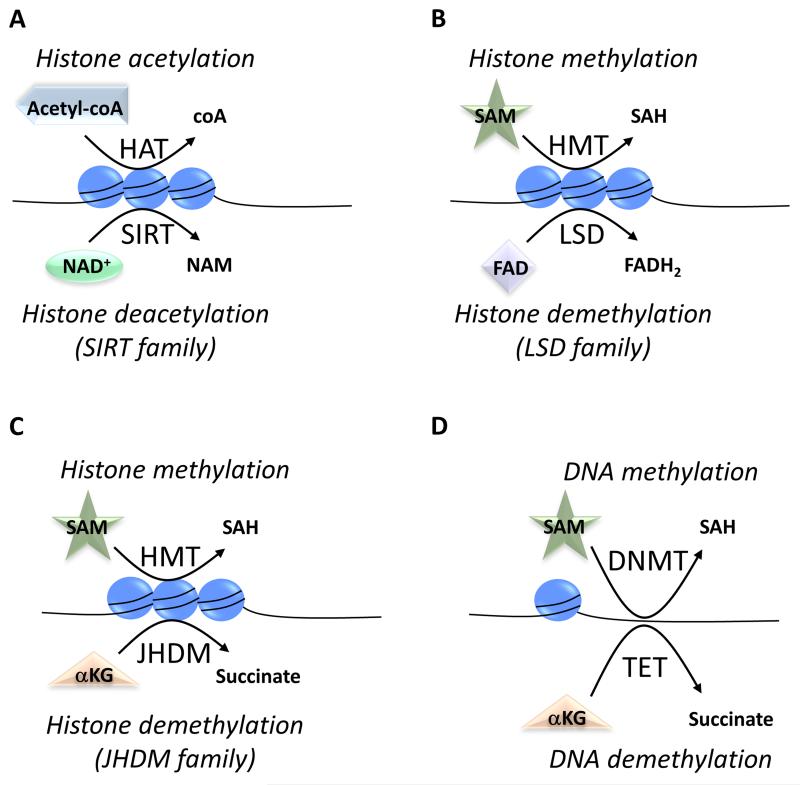
Figure 2. Metabolites as Essential Cofactors in the Epigenetic Regulation of Transcription
(A) Acetylation of histones is achieved via the actions of HATs which attach an acetyl group to lysine residues in a reaction that releases co-enzyme A. In contrast, histone deactylation is regulated via HDAC proteins, including the Sirtuin family. Sirtuins are dependent on a readily available pool of NAD+ for their deacetylase activity, and produce NAM and 2-O-Acetyl-ADP-Ribose. (B-D) Methylation of either histone proteins or DNA is achieved via the attachment of a methyl group (from SAM) to either lysine or arginine residues in a reaction mediated via HMTs (B,C) or DNMT (D). Histone demethylation can occur via the actions of (B) the LSD family of demethylases which require FAD as a cofactor, or (C) the JHDM family which require αKG as a cofactor. The TET of DNA demethylases similarly require αKG for their activity (D).
Figure 3
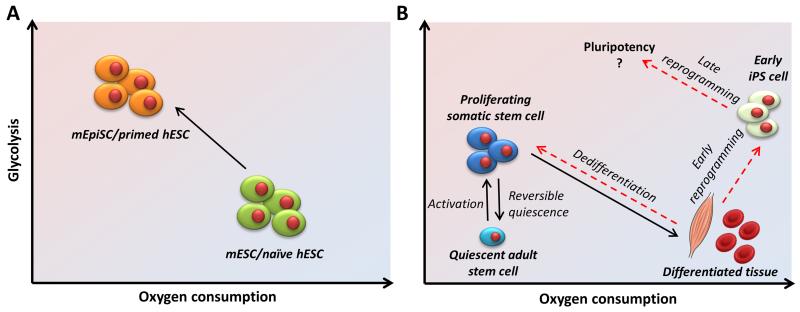
Figure 3. Stem Cell Metabolism During Lineage Commitment and Reprogramming
This diagram attempts to collate our current knowledge regarding metabolism and the processes of lineage commitment and reprogramming in (A) ESCs and (B) ASCs (using MuSCs as an example). The position of each cell type is correct relative to its nearest neighbor, however the position of reprogrammed pluripotency is speculative.

References

    1. Arai F, Hirao A, Ohmura M, Sato H, Matsuoka S, Takubo K, Ito K, Koh GY, Suda T. Tie2/angiopoietin-1 signaling regulates hematopoietic stem cell quiescence in the bone marrow niche. Cell. 2004;118:149–161. - PubMed
    1. Blaschke K, Ebata KT, Karimi MM, Zepeda-Martínez JA, Goyal P, Mahapatra S, Tam A, Laird DJ, Hirst M, Rao A, et al. Vitamin C induces Tet-dependent DNA demethylation and a blastocyst-like state in ES cells. Nature. 2013;500:222–226. - PMC - PubMed
    1. Brack AS, Rando TA. Tissue-specific stem cells: lessons from the skeletal muscle satellite cell. Cell Stem Cell. 2012;10:504–514. - PMC - PubMed
    1. Brinster RL, Troike DE. Requirements for blastocyst development in vitro. Journal of animal science. 1979;49(Suppl 2):26–34. - PubMed
    1. Brons IGM, Smithers LE, Trotter MWB, Rugg-Gunn P, Sun B, Chuva de Sousa Lopes SM, Howlett SK, Clarkson A, Ahrlund-Richter L, Pedersen RA, et al. Derivation of pluripotent epiblast stem cells from mammalian embryos. Nature. 2007;448:191–195. - PubMed

Publication types