


Complementary therapies for bladder pain syndrome: a systematic review
- PMID: 26642800
- PMCID: PMC4947099
- DOI: 10.1007/s00192-015-2886-3
Complementary therapies for bladder pain syndrome: a systematic review
Abstract
Introduction and hypothesis: Bladder pain syndrome is a difficult condition to treat. The purpose of this systematic review is to assess the effectiveness of various complementary therapies available for treatment.
Methods: This review was conducted in adherence with Preferred Reporting Items for Systematic Reviews. Citations were retrieved using a comprehensive database search (from inception to July 2014: CINAHL, Cochrane, EMBASE, Medline and SIGEL and grey literature). Studies that fulfilled the inclusion criteria were selected. Eligibility consisted of women with bladder pain syndrome, an intervention of alternative/complementary therapies and an outcome of improvement of symptoms. Information regarding study characteristics and primary outcomes was collated. The Cochrane risk of bias scale was used to evaluate the quality of the studies included.
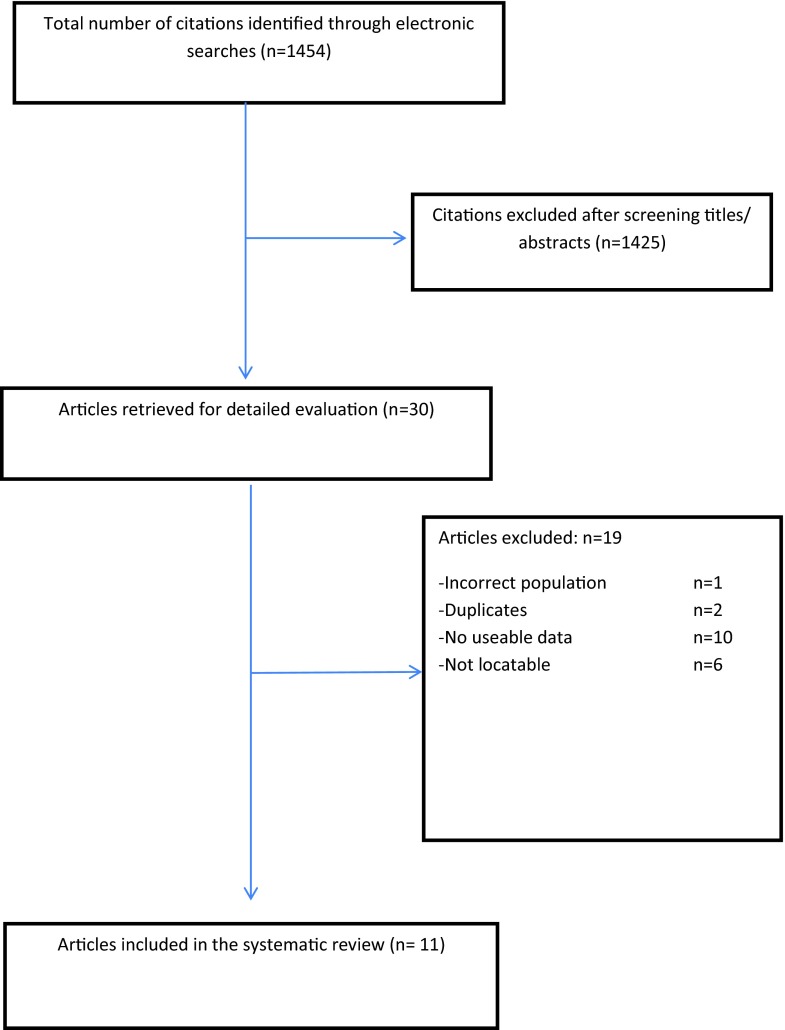
Results: A total of 1,454 citations were identified, 11 studies fulfilled the inclusion criteria (4 randomised control trials [RCTs] and 7 prospective studies). The key interventions studied were acupuncture, relaxation therapy, physical therapy, hydrogen-rich therapy, diet and nitric oxide synthetase.
Conclusion: Therapies with the potential for benefit in patients with bladder pain syndrome are dietary management, acupuncture and physical therapy. These findings were obtained from small studies and hence caution is advised. Robustly designed multicentre RCTs on these complementary therapies are needed to guide patients and clinicians.
Keywords: Acupuncture; Alternative or complementary therapies; Bladder pain syndrome; Myofascial physical therapies.
References
-
- Van de Merwe JP, Nordling J, Bouchelouche P et al (2008) Diagnostic criteria, classification, and nomenclature for painful bladder syndrome/interstitial cystitis: an ESSIC proposal. Eur Urol 53(1):60–67 - PubMed
-
- Haylen BT, de Ridder D, Freeman RM, Swift SE, Berghmans B, Lee J, et al. An International Urogynecological Association (IUGA)/International Continence Society (ICS) joint report on the terminology for female pelvic floor dysfunction. Neurourol Urodyn. 2010;29(1):4–20. - PubMed
-
- The cystitis and overactive bladder foundation. Accessed 26 June 2015. Available from: http://www.cobfoundation.org/interstitial-cystitispainful-bladder-syndrome
Publication types
MeSH terms
LinkOut - more resources
Full Text Sources
Other Literature Sources
Medical
