


Microbiology of healthcare-associated infections and the definition accuracy to predict infection by potentially drug resistant pathogens: a systematic review
- PMID: 26653533
- PMCID: PMC4676854
- DOI: 10.1186/s12879-015-1304-2
Microbiology of healthcare-associated infections and the definition accuracy to predict infection by potentially drug resistant pathogens: a systematic review
Abstract
Background: Healthcare-associated infections (HCAI) represent up to 50 % of all infections among patients admitted from the community. The current review intends to provide a systematic review on the microbiological profile involved in HCAI, to compare it with community-acquired (CAI) and hospital-acquired infections (HAI) and to evaluate the definition accuracy to predict infection by potentially drug resistant pathogens.
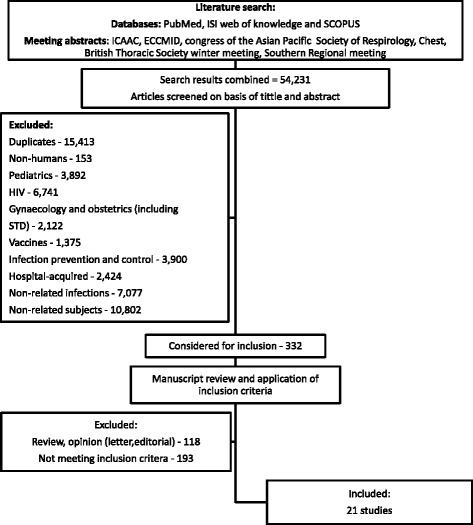
Methods: We search for HCAI in MEDLINE, SCOPUS and ISI Web of Knowledge with no limitations in regards to publication language, date of publication, study design or study quality. Only studies using the definition by Friedman et al. were included. This review was registered at PROSPERO Systematic Review Registration with the Number CRD42014013648.
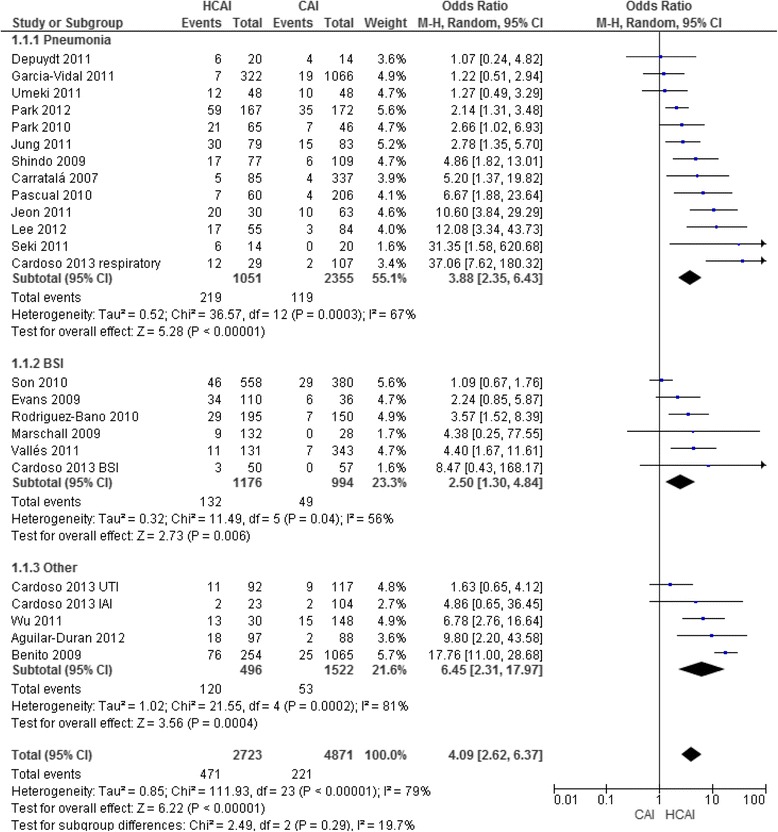
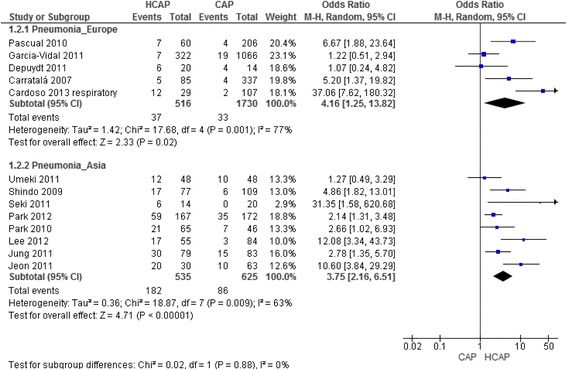
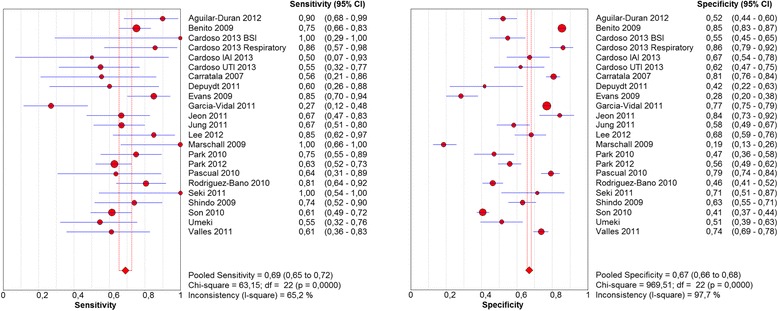
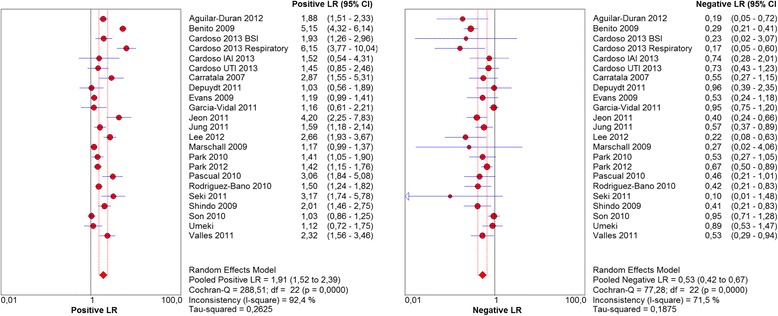
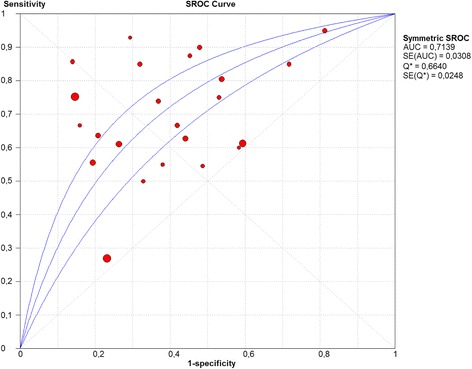
Results: A total of 21 eligible studies with 12,096 infected patients were reviewed; of these 3497 had HCAI, 2723 were microbiologically documented. Twelve studies were on pneumonia involving 1051 patients with microbiological documented HCAI, the application of the current guidelines for this group of patients would result in an appropriate antibiotic therapy in 95 % of cases at the expense of overtreatment in 73 %; the application of community-acquired pneumonia guidelines would be adequate in only 73-76 % of the cases; an alternative regimen with piperacillin-tazobactam or aztreonam plus azithromycin would increase antibiotic adequacy rate to 90 %. Few studies were found on additional focus of infection: endocarditis, urinary, intra-abdominal and bloodstream infections. All studies included in this review showed an association of the HCAI definition with infection by PDR pathogens when compared to CAI [odds ratio (OR) 4.05, 95 % confidence interval (95 % CI) 2.60-6.31)]. The sensitivity of HCAI to predict infection by a PDR pathogen was 0.69 (0.65-0.72), specificity was 0.67 (0.66-0.68), positive likelihood ratio was 1.9 and the area under the summary ROC curve was 0.71.
Conclusions: This systematic review provides evidence that HCAI represents a separate group of infections in terms of the microbiology profile, including a significant association with infection by PDR pathogens, for the main focus of infection. The results provided can help clinician in the selection of empiric antibiotic therapy and international societies in the development of specific treatment recommendations.
Figures
References
-
- Friedman ND, Kaye KS, Stout JE, McGarry SA, Trivette SL, Briggs JP, et al. Health care--associated bloodstream infections in adults: a reason to change the accepted definition of community-acquired infections. Ann Intern Med. 2002;137(10):791–7. doi: 10.7326/0003-4819-137-10-200211190-00007. - DOI - PubMed
Publication types
MeSH terms
Substances
LinkOut - more resources
Full Text Sources
Other Literature Sources
