


Repeated Whole-Genome Duplication, Karyotype Reshuffling, and Biased Retention of Stress-Responding Genes in Buckler Mustard
- PMID: 26668305
- PMCID: PMC4746682
- DOI: 10.1105/tpc.15.00791
Repeated Whole-Genome Duplication, Karyotype Reshuffling, and Biased Retention of Stress-Responding Genes in Buckler Mustard
Abstract
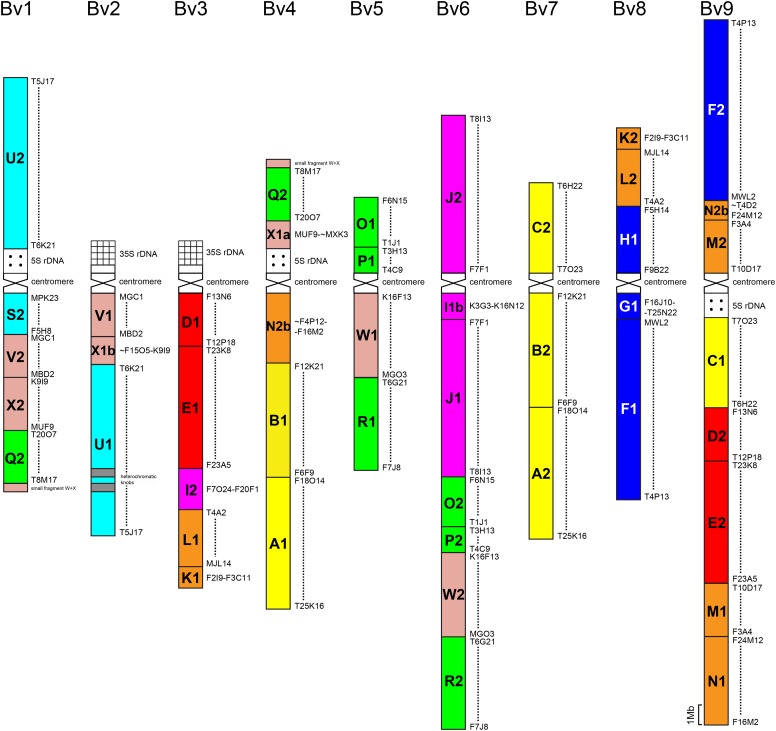
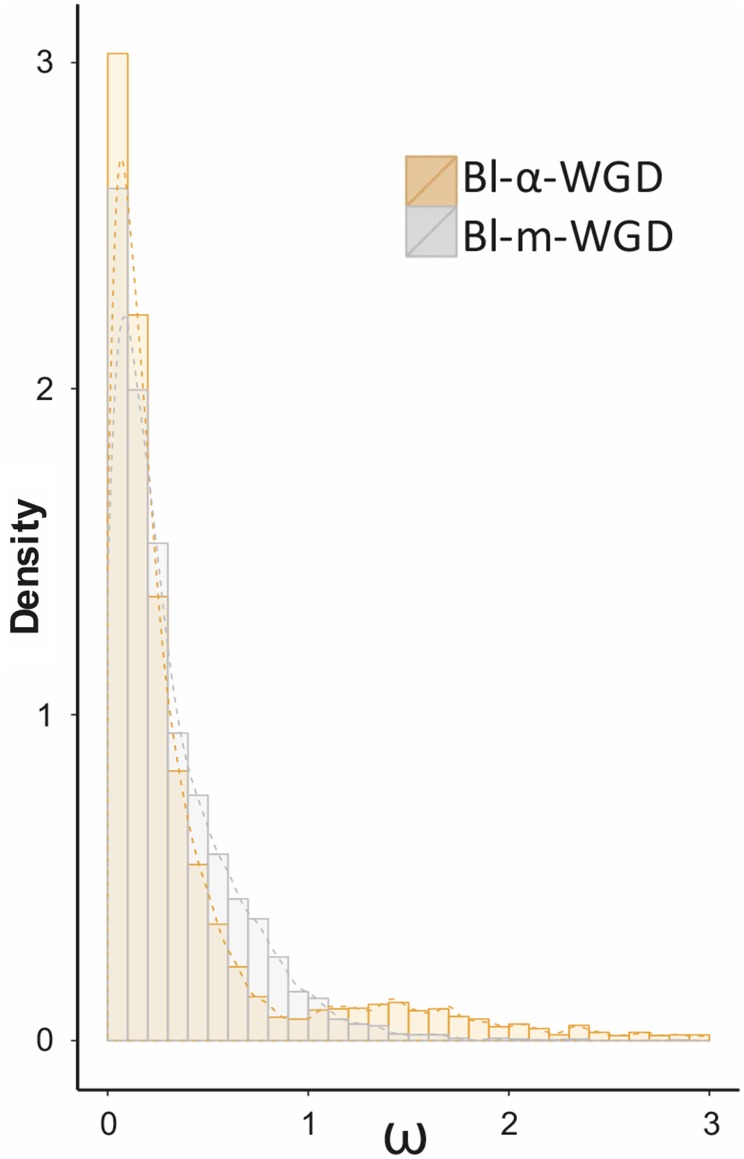
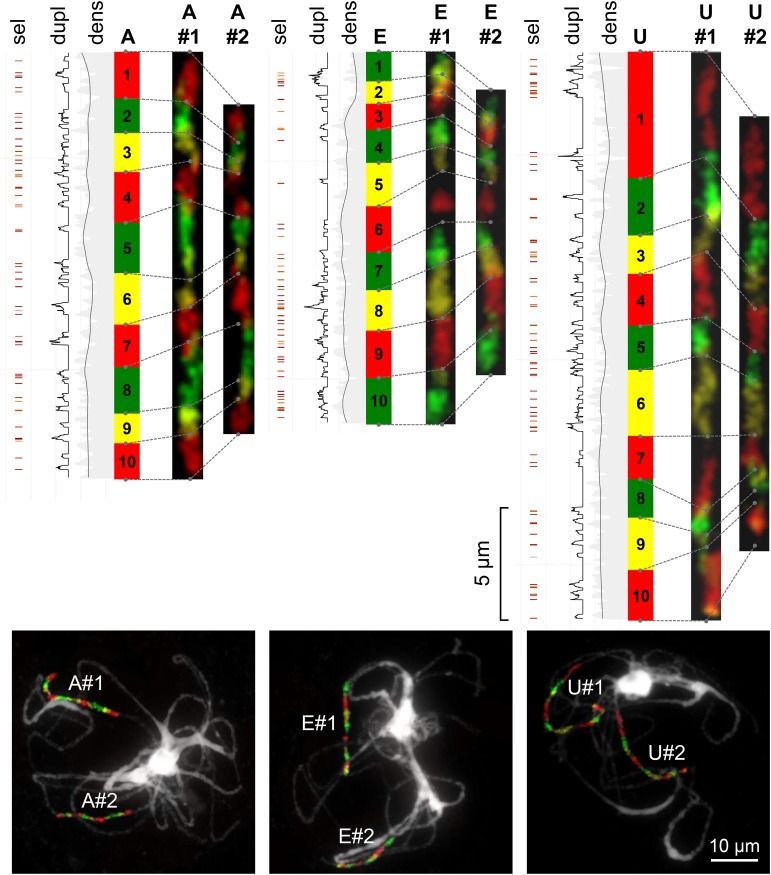
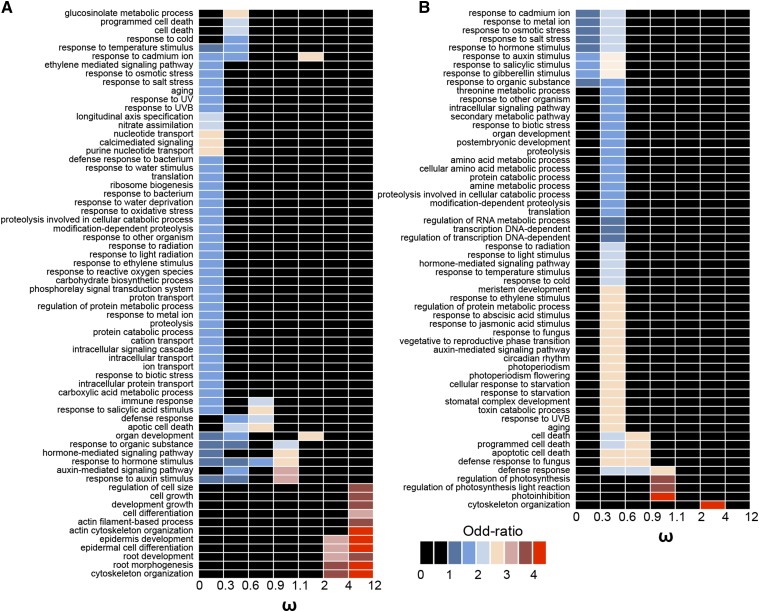
Whole-genome duplication (WGD) is usually followed by gene loss and karyotype repatterning. Despite evidence of new adaptive traits associated with WGD, the underpinnings and evolutionary significance of such genome fractionation remain elusive. Here, we use Buckler mustard (Biscutella laevigata) to infer processes that have driven the retention of duplicated genes after recurrent WGDs. In addition to the β- and α-WGD events shared by all Brassicaceae, cytogenetic and transcriptome analyses revealed two younger WGD events that occurred at times of environmental changes in the clade of Buckler mustard (Biscutelleae): a mesopolyploidy event from the late Miocene that was followed by considerable karyotype reshuffling and chromosome number reduction and a neopolyploidy event during the Pleistocene. Although a considerable number of the older duplicates presented signatures of retention under positive selection, the majority of retained duplicates arising from the younger mesopolyploidy WGD event matched predictions of the gene balance hypothesis and showed evidence of strong purifying selection as well as enrichment in gene categories responding to abiotic stressors. Retention of large stretches of chromosomes for both genomic copies supported the hypothesis that cycles of WGD and biased fractionation shaped the genome of this stress-tolerant polypolyloid, promoting the adaptive recruitment of stress-responding genes in the face of environmental challenges.
© 2016 American Society of Plant Biologists. All rights reserved.
Figures
References
-
- Al-Shahrour F., Díaz-Uriarte R., Dopazo J. (2004). FatiGO: a web tool for finding significant associations of Gene Ontology terms with groups of genes. Bioinformatics 20: 578–580. - PubMed
-
- Arrigo N., Barker M.S. (2012). Rarely successful polyploids and their legacy in plant genomes. Curr. Opin. Plant Biol. 15: 140–146. - PubMed
-
- Babst-Kostecka A.A., Parisod C., Godé C., Vollenweider P., Pauwels M. (2014). Patterns of genetic divergence among populations of the pseudometallophyte Biscutella laevigata from southern Poland. Plant Soil 383: 245–256.
-
- Bardil A., Tayalé A., Parisod C. (2015). Evolutionary dynamics of retrotransposons following autopolyploidy in the Buckler Mustard species complex. Plant J. 82: 621–631. - PubMed
Publication types
MeSH terms
LinkOut - more resources
Full Text Sources
Other Literature Sources
