


Musclin is an activity-stimulated myokine that enhances physical endurance
- PMID: 26668395
- PMCID: PMC4702977
- DOI: 10.1073/pnas.1514250112
Musclin is an activity-stimulated myokine that enhances physical endurance
Abstract
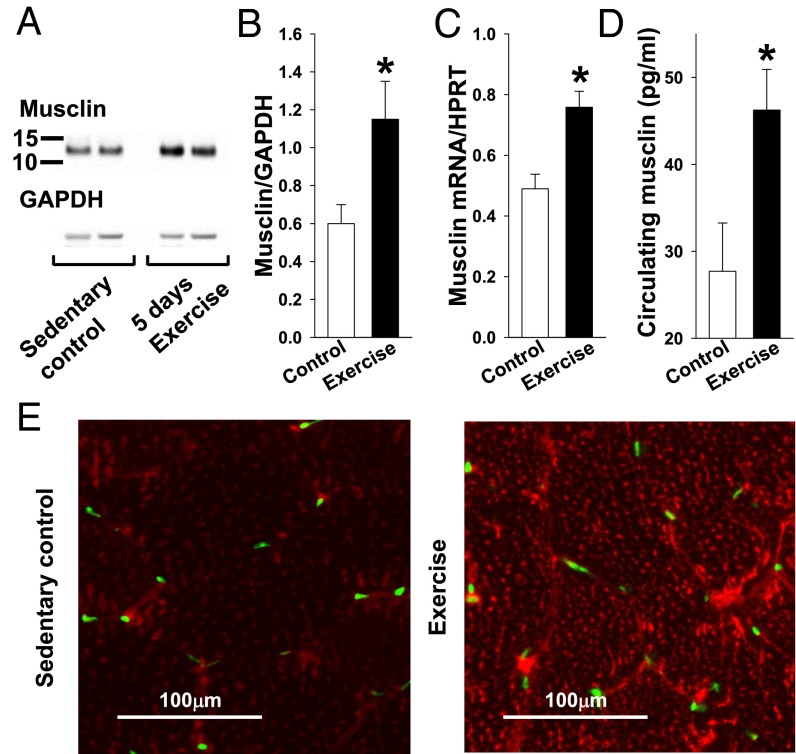
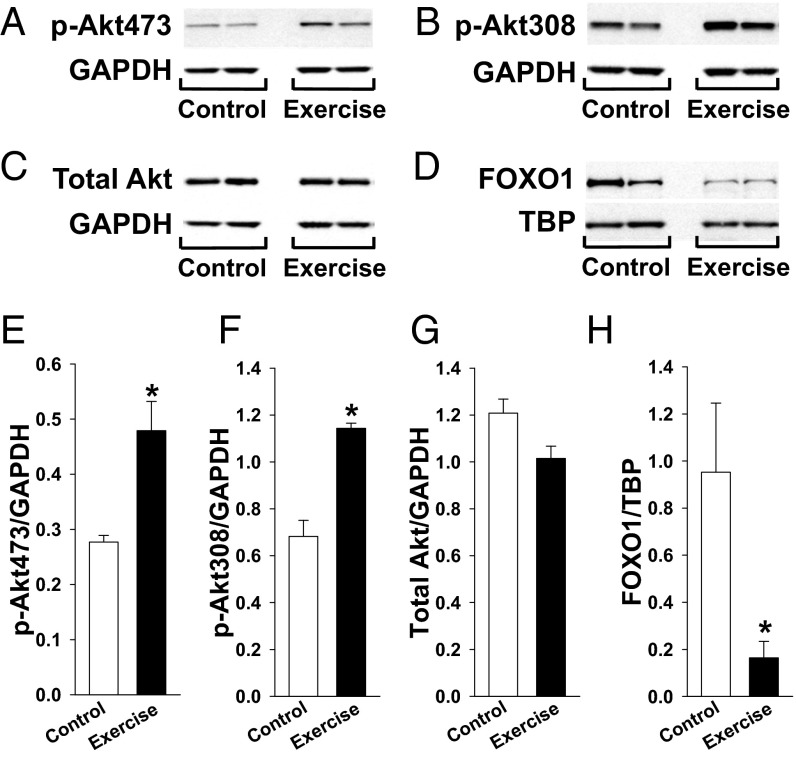
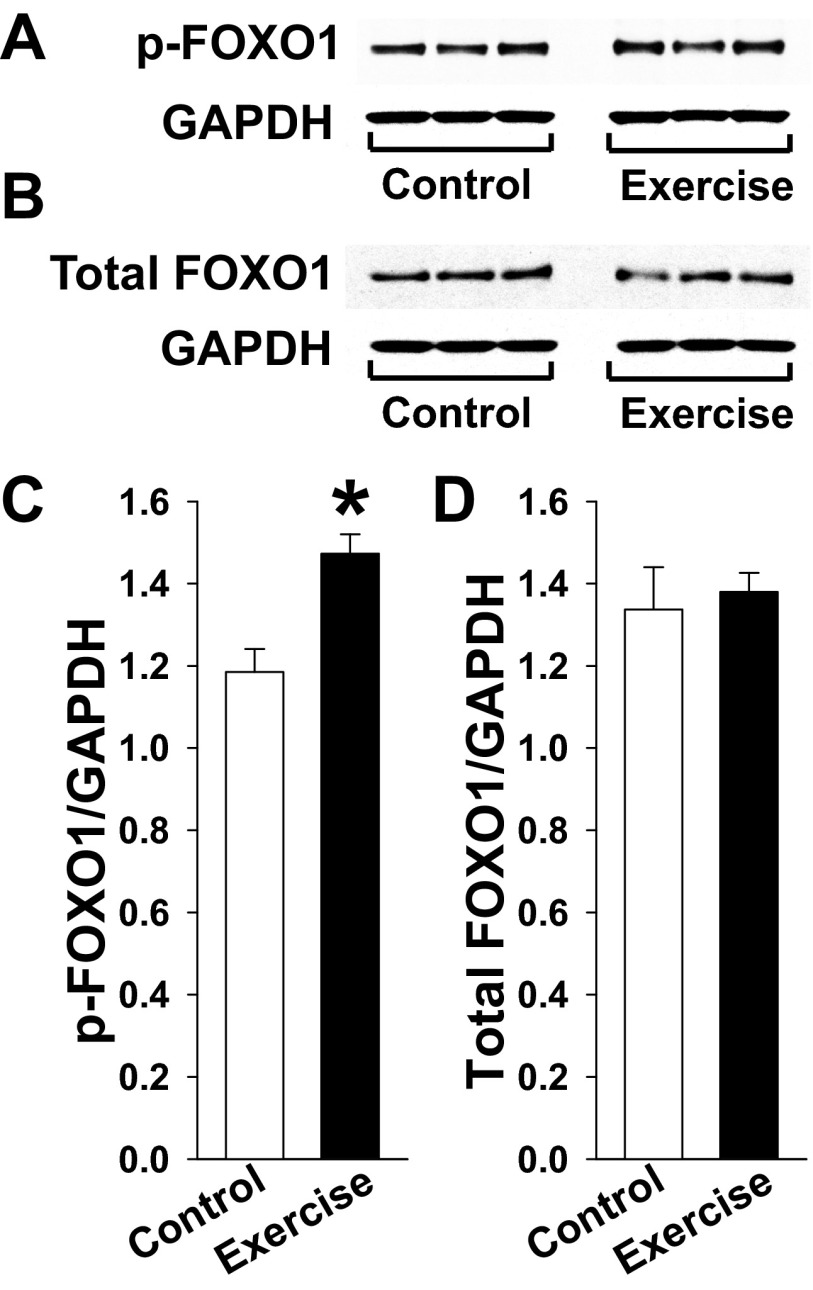
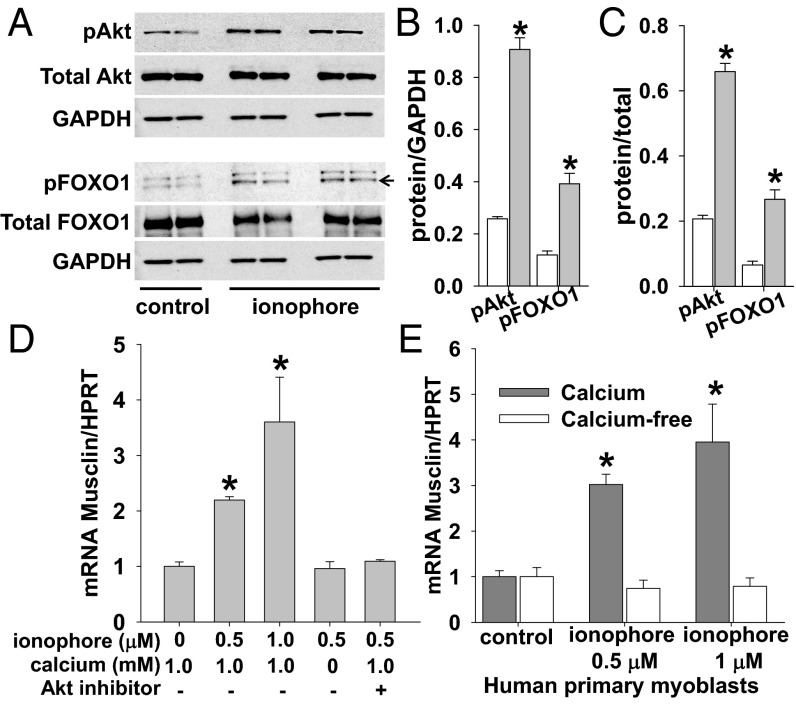
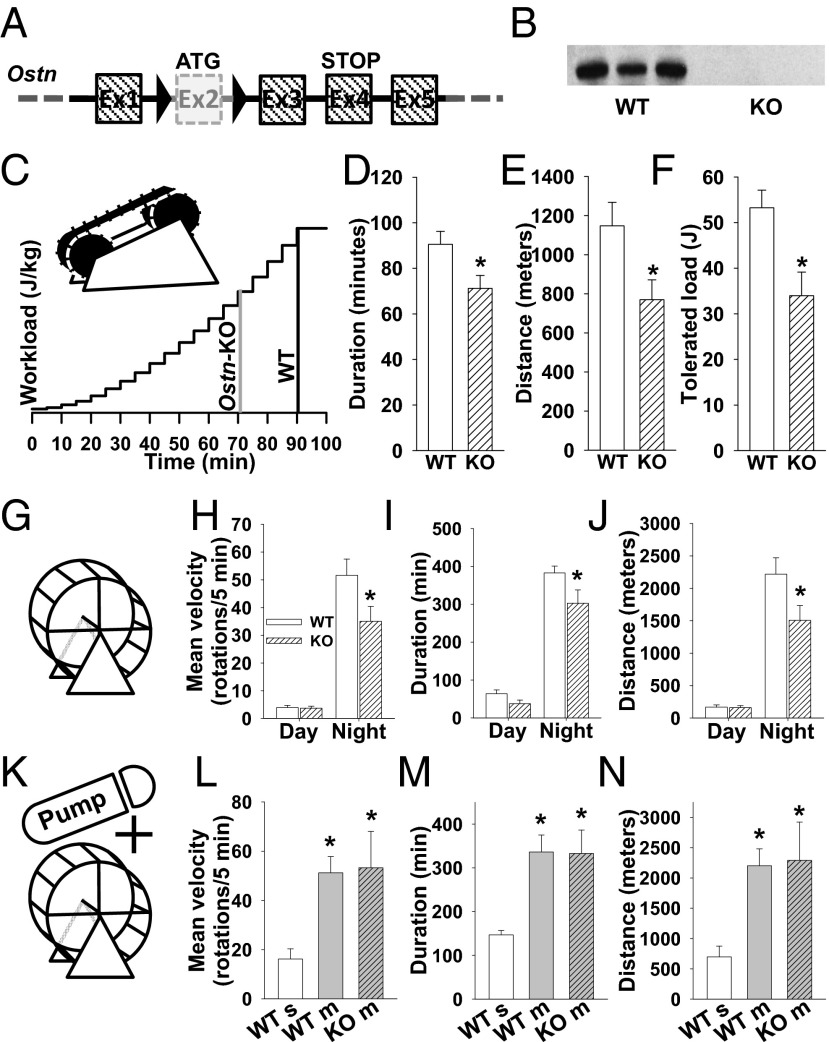
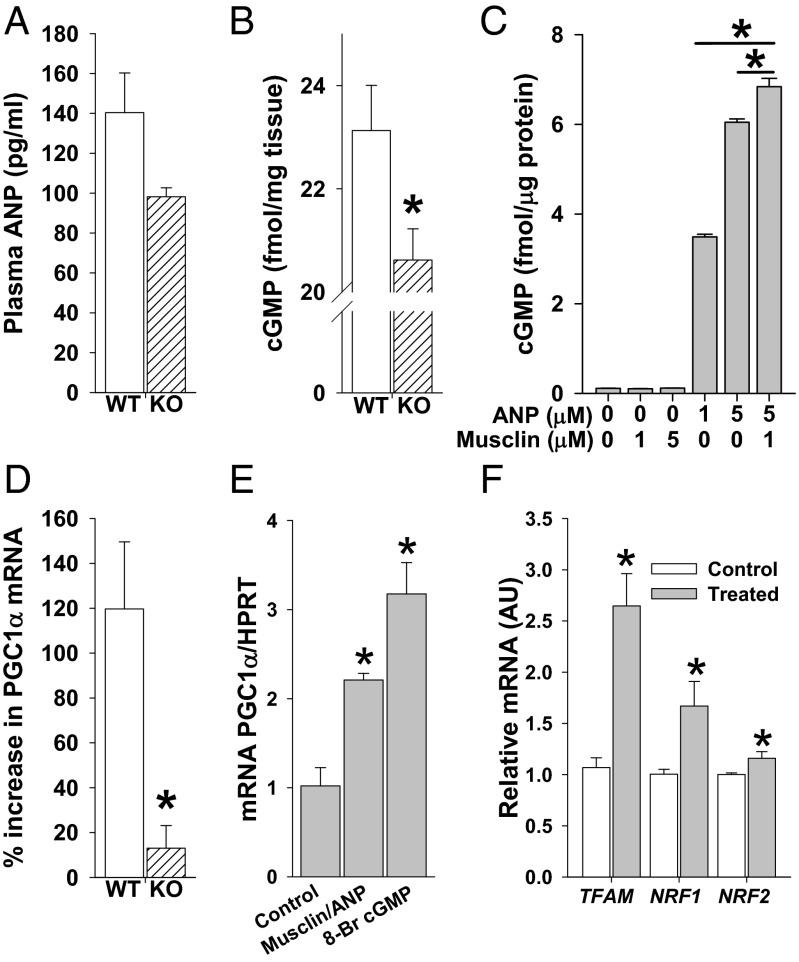
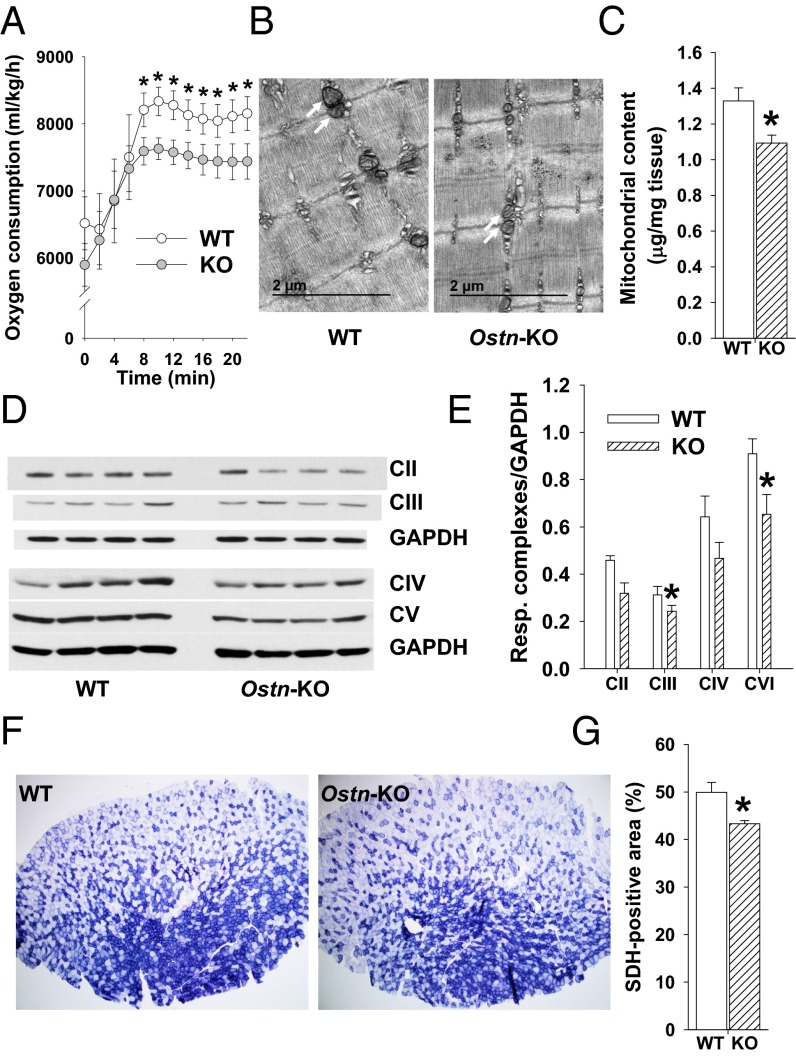
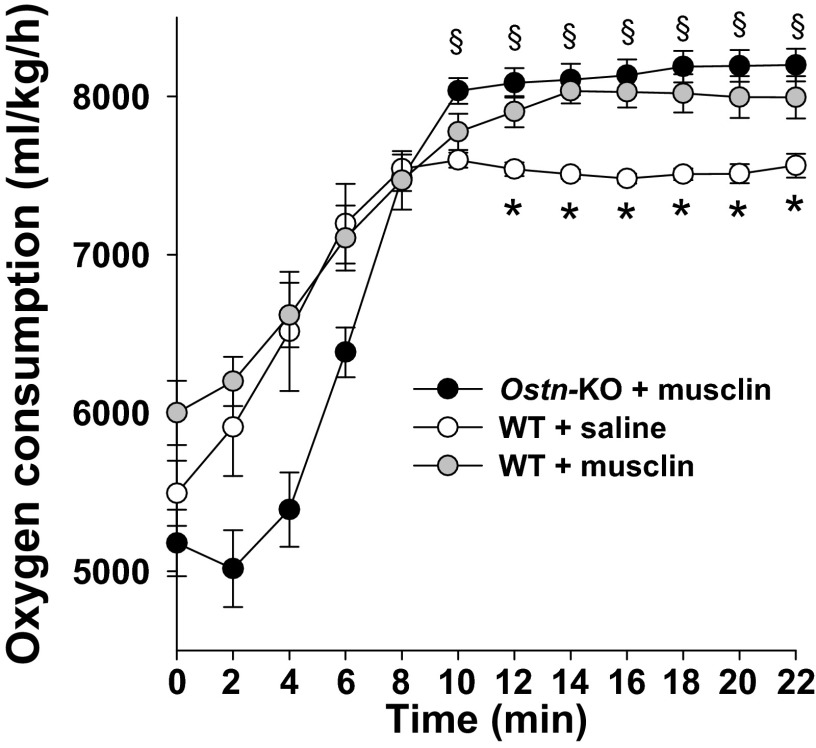
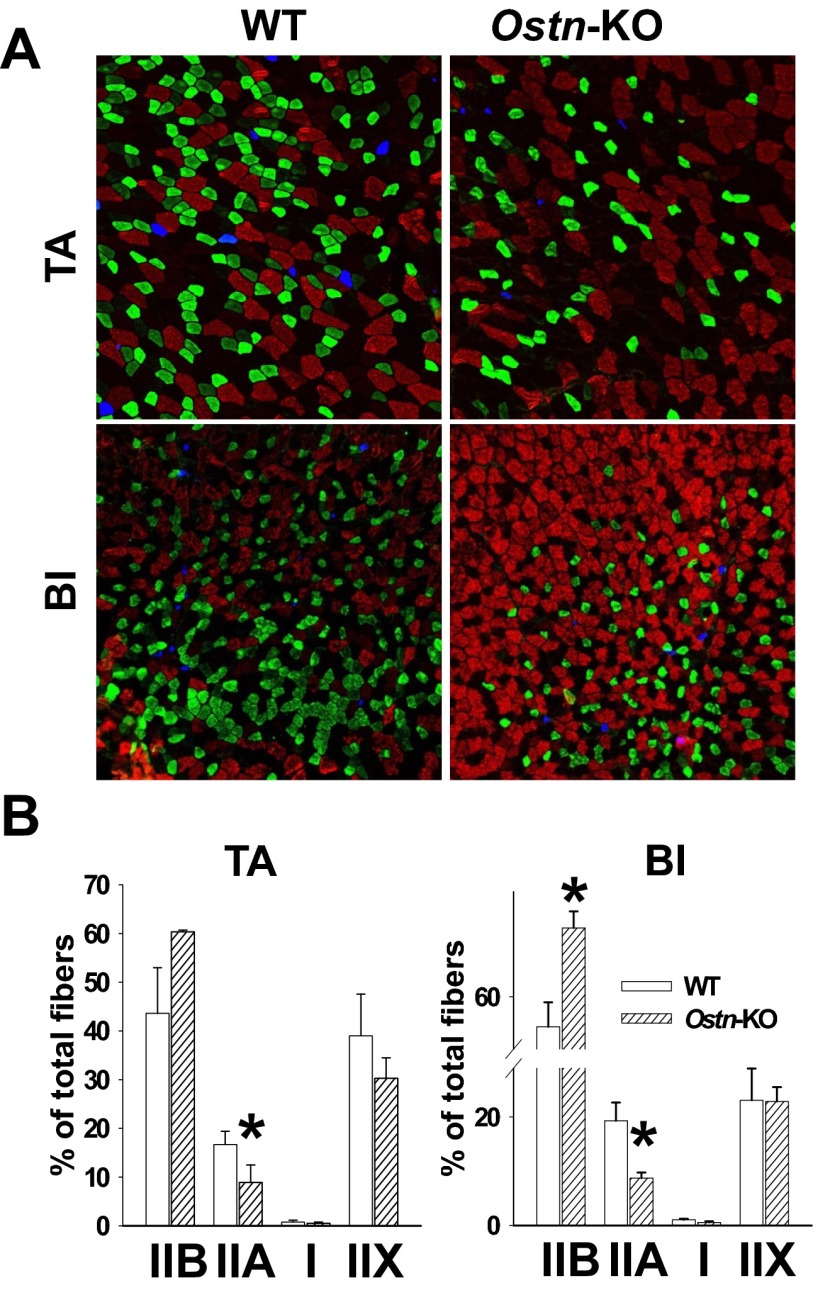
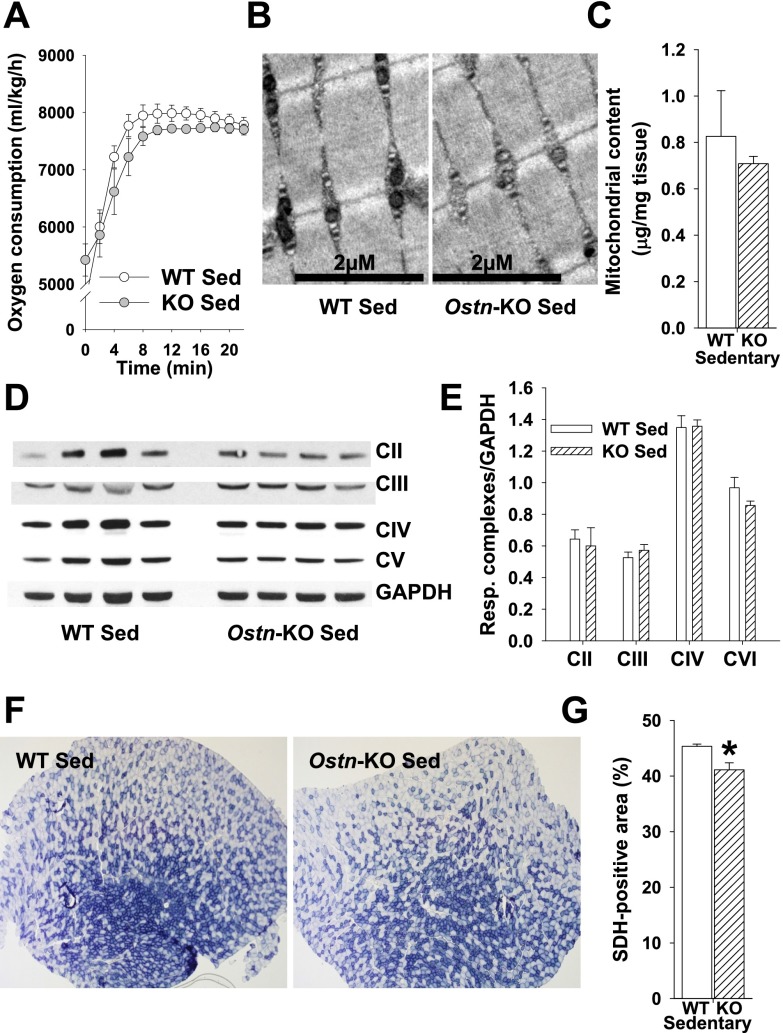
Exercise remains the most effective way to promote physical and metabolic wellbeing, but molecular mechanisms underlying exercise tolerance and its plasticity are only partially understood. In this study we identify musclin-a peptide with high homology to natriuretic peptides (NP)-as an exercise-responsive myokine that acts to enhance exercise capacity in mice. We use human primary myoblast culture and in vivo murine models to establish that the activity-related production of musclin is driven by Ca(2+)-dependent activation of Akt1 and the release of musclin-encoding gene (Ostn) transcription from forkhead box O1 transcription factor inhibition. Disruption of Ostn and elimination of musclin secretion in mice results in reduced exercise tolerance that can be rescued by treatment with recombinant musclin. Reduced exercise capacity in mice with disrupted musclin signaling is associated with a trend toward lower levels of plasma atrial NP (ANP) and significantly smaller levels of cyclic guanosine monophosphate (cGMP) and peroxisome proliferator-activated receptor gamma coactivator 1-α in skeletal muscles after exposure to exercise. Furthermore, in agreement with the established musclin ability to interact with NP clearance receptors, but not with NP guanyl cyclase-coupled signaling receptors, we demonstrate that musclin enhances cGMP production in cultured myoblasts only when applied together with ANP. Elimination of the activity-related musclin-dependent boost of ANP/cGMP signaling results in significantly lower maximum aerobic capacity, mitochondrial protein content, respiratory complex protein expression, and succinate dehydrogenase activity in skeletal muscles. Together, these data indicate that musclin enhances physical endurance by promoting mitochondrial biogenesis.
Keywords: exercise; mitochondria; natriuretic peptide; osteocrin; skeletal muscle.
Conflict of interest statement
The authors declare no conflict of interest.
Figures
References
-
- Pedersen BK, Akerström TC, Nielsen AR, Fischer CP. Role of myokines in exercise and metabolism. J Appl Physiol (1985) 2007;103(3):1093–1098. - PubMed
-
- Pedersen BK, et al. The metabolic role of IL-6 produced during exercise: Is IL-6 an exercise factor? Proc Nutr Soc. 2004;63(2):263–267. - PubMed
-
- Nishizawa H, et al. Musclin, a novel skeletal muscle-derived secretory factor. J Biol Chem. 2004;279(19):19391–19395. - PubMed
-
- Thomas G, et al. Osteocrin, a novel bone-specific secreted protein that modulates the osteoblast phenotype. J Biol Chem. 2003;278(50):50563–50571. - PubMed
Publication types
MeSH terms
Substances
Grants and funding
LinkOut - more resources
Full Text Sources
Other Literature Sources
Molecular Biology Databases
Research Materials
Miscellaneous
