. 2016;5(1):11-26.
doi: 10.2217/cns.15.38. Epub 2015 Dec 15.

ReACT Phase II trial: a critical evaluation of the use of rindopepimut plus bevacizumab to treat EGFRvIII-positive recurrent glioblastoma

Affiliations

ReACT Phase II trial: a critical evaluation of the use of rindopepimut plus bevacizumab to treat EGFRvIII-positive recurrent glioblastoma

Na Tosha N Gatson et al. CNS Oncol. 2016.

Retraction in

  • Retraction.
    [No authors listed] [No authors listed] CNS Oncol. 2016;5(2):110. doi: 10.2217/cns.16.1. Epub 2016 Jan 6. CNS Oncol. 2016. PMID: 26732311 Free PMC article. No abstract available.

Abstract

Glioblastoma is the most deadly primary brain tumor in adults and has long represented a therapeutic challenge. Disease recurrence is inevitable, and the management of recurrent disease is complicated by spontaneous or induced tumor heterogeneity which confers resistance to therapy and increased oncogenicity. EGFR and the tumor-specific mutation EGFRvIII is commonly altered in glioblastoma making it an appealing therapeutic target. Immunotherapy is an emerging and promising therapeutic approach to glioma and the EGFRvIII vaccine, rindopepimut, is the first immunotherapeutic drug to enter Phase III clinical trials for glioblastoma. Rindopepimut activates a specific immune response against tumor cells harboring the EGFRvIII protein. This review evaluates the recently completed ReACT Phase II trial using rindopepimut plus bevacizumab in the setting of EGFRvIII-positive recurrent glioblastoma (Clinical Trials identifier: NCT01498328).

Keywords: CDX-110; CNS lymphatics; EGF receptor variant III; EGFRvIII; MGMT; ReACT trial; bevacizumab; immunotherapy; recurrent glioblastoma; rindopepimut; vaccines.


Conflict of interest statement

Financial & competing interests disclosure

S-PS Weathers is an Advisory Board Member for Actelion. The authors have no other relevant affiliations or financial involvement with any organization or entity with a financial interest in or financial conflict with the subject matter or materials discussed in the manuscript apart from those disclosed.

No writing assistance was utilized in the production of this manuscript.

Figures

<b>Figure 1.</b>
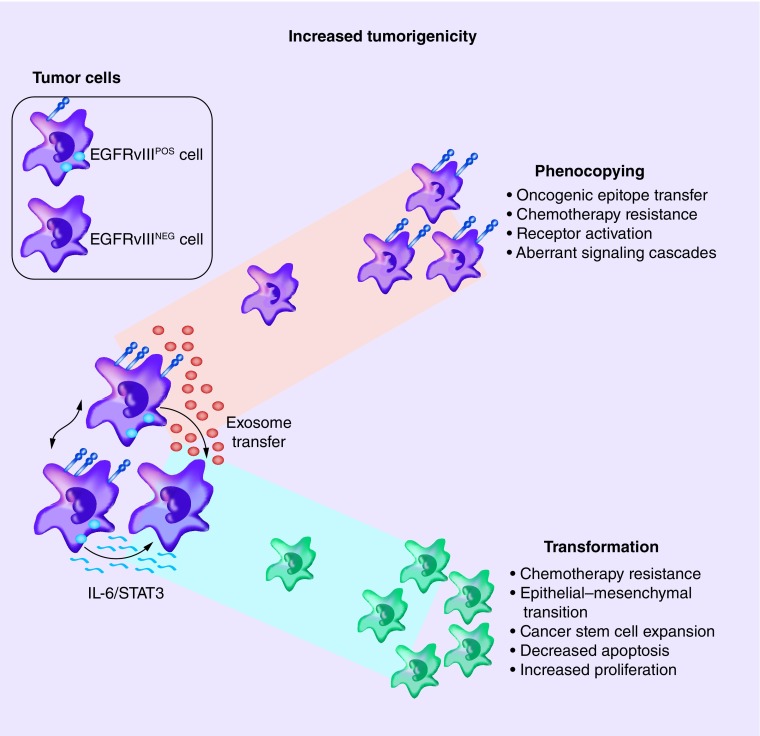
Figure 1.. EGFRvIII promotes intercellular ‘phenocopying’ and transformation.
EGFRvIIIPOS tumor cells communicate through exosome/oncosome transfer of cytosolic and cellular membrane components or via cytokine signaling pathways to effect adjacent EGFRvIIINEG tumor cells within the tumor microenvironment. This activity leads to increased tumorigenic cellular phenotypes to include transfer of oncogenic epitopes and properties [51–54].
<b>Figure 2.</b>
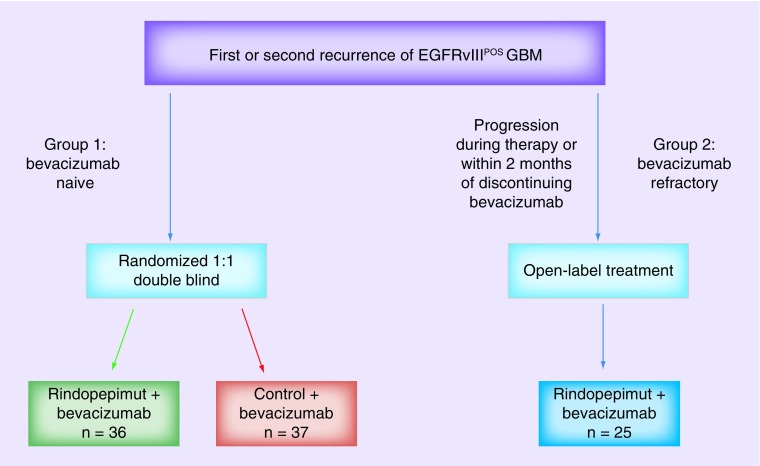
Figure 2.. Study design.
Patients with EGFRvIII-expressing glioblastoma at either 1st or 2nd recurrence, who had previously completed conventional radiation and temozolomide, were eligible and stratified to either the bevacizumab-naive arm (group 1) or the bevazicumab-refractory arm (group 2). Bevacizumab-refractory patients were defined as those patients with evidence of progression during bevacizumab therapy or within 2 months of discontinuing bevacizumab. Group 1 patients were randomized in a 1:1 fashion to double blind treatment with bevacizumab in combination with either rindopepimut (study drug) or control vaccines. Group 2 patients were treated with the combination of bevacizumab and rindopepimut.
<b>Figure 3.</b>
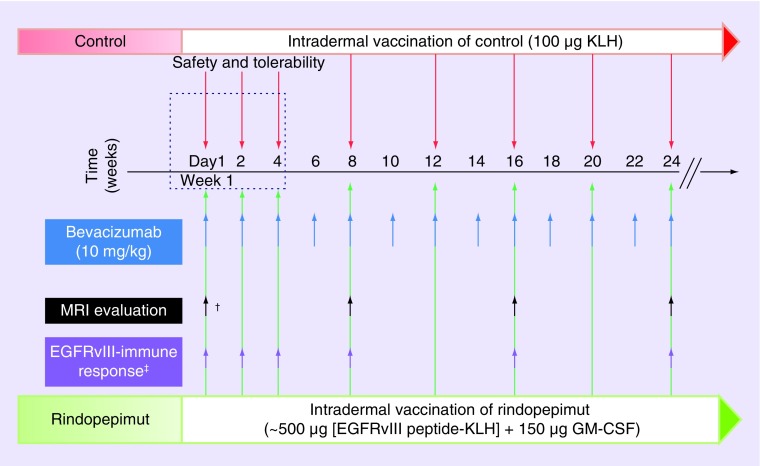
Figure 3.. Treatment and assessment timeline.
Patients were vaccinated with rinodpepimut versus control in combination with bevacizumab starting study day 1 on week 1 and monitored until progression of disease, change of therapy, or drug intolerance. MRI evaluation and assessment of EFGRvIII immune response was also completed at specified time points during the study. MRI protocol deviations: one patient had screening MRI completed after initiation of bevacizumab. Three patients had screening MRI >28 days prior to study day 1. EGFRvIII-immune response determined by serum anti-EGFRvIII titers (as compared to baseline titer) in patients treated with rindopepimut. GM-CSF: Granulocyte-macrophage colony-stimulating factor; KLH: Keyhole limpet hemocyanin.

References

    1. Gilbert MR, Wang M, Aldape KD, et al. Dose-dense temozolomide for newly diagnosed glioblastoma: a randomized Phase III clinical trial. J. Clin. Oncol. 2013;31(32):4085–4091. - PMC - PubMed
    1. Stupp R, Mason WP, Van Den Bent MJ, et al. Radiotherapy plus concomitant and adjuvant temozolomide for glioblastoma. N. Engl. J. Med. 2005;352(10):987–996. - PubMed
    1. Kamiya-Matsuoka C, Gilbert MR. Treating recurrent glioblastoma: an update. CNS Oncol. 2015;4(2):91–104. - PMC - PubMed
    1. Weller M, Van Den Bent M, Hopkins K, et al. EANO guideline for the diagnosis and treatment of anaplastic gliomas and glioblastoma. Lancet Oncol. 2014;15(9):e395–e403. - PubMed
    1. Wong ET, Hess KR, Gleason MJ, et al. Outcomes and prognostic factors in recurrent glioma patients enrolled onto Phase II clinical trials. J. Clin. Oncol. 1999;17(8):2572–2578. - PubMed

Publication types

Associated data