


Improvements in the Management of Diabetic Nephropathy
- PMID: 26676665
- PMCID: PMC5397987
- DOI: 10.1900/RDS.2015.12.119
Improvements in the Management of Diabetic Nephropathy
Abstract
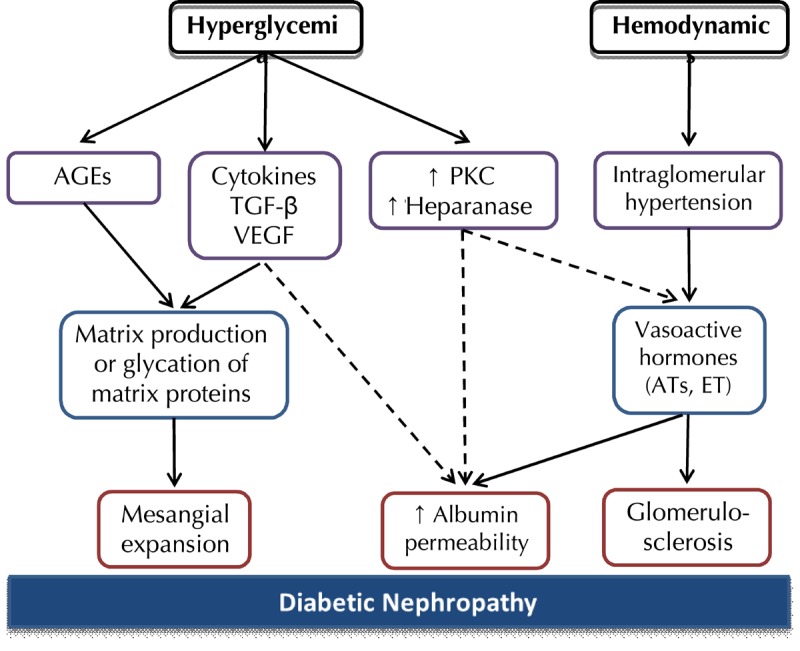
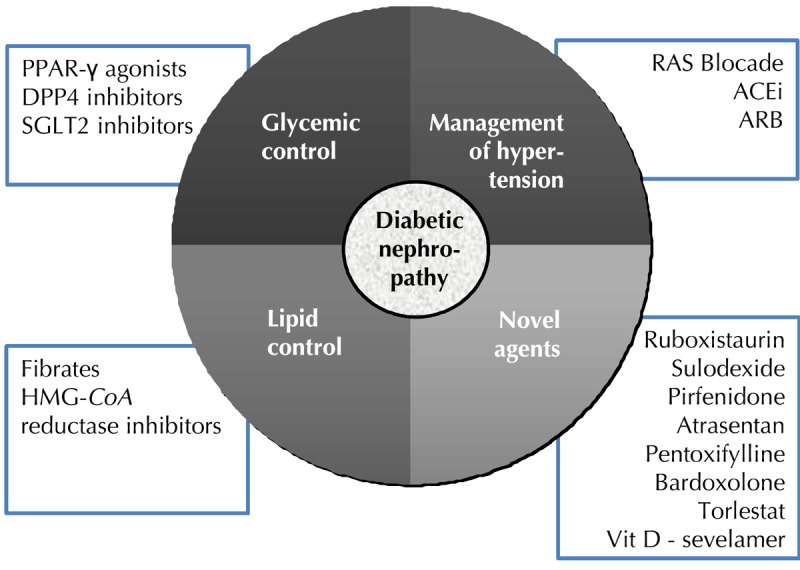
The burden of diabetes mellitus is relentlessly increasing. Diabetic nephropathy is the most common cause of end-stage renal disease (ESRD) worldwide and a major cause of morbidity and mortality in patients with diabetes. The current standard therapy of diabetic nephropathy involves intensive treatment of hyperglycemia and strict blood pressure control, mainly via blockade of the renin-angiotensin system (RAS). Attention has been drawn to additional beneficial effects of oral hypoglycemic drugs and fibrates on other aspects of diabetic nephropathy. On the other hand, antiproteinuric effects of RAS combination therapy do not seem to enhance the prevention of renal disease progression, and it has been associated with an increased rate of serious adverse events. Novel agents, such as bardoxolone methyl, pentoxifylline, inhibitors of protein kinase C (PKC), sulodexide, pirfenidone, endothelin receptor antagonists, vitamin D supplements, and phosphate binders have been associated with controversial outcomes or significant side effects. Although new insights into the pathogenetic mechanisms have opened new horizons towards novel interventions, there is still a long way to go in the field of DN research. The aim of this review is to highlight the recent progress made in the field of diabetes management based on the existing evidence. The article also discusses novel targets of therapy, with a special focus on the major pathophysiologic mechanisms implicated in the initiation and progression of diabetic nephropathy.
Conflict of interest statement
The authors report no conflict of interests.
Figures
References
-
- Shaw JE, Sicree RA, Zimmet PZ. Global estimates of the prevalence of diabetes for 2010 and 2030. Diabetes Res Clin Pract. 2010;87(1):4–14. - PubMed
-
- Rossing P. Prediction, progression and prevention of diabetic nephropathy. The Minkowski Lecture 2005. Diabetologia. 2006;49(1):11–19. - PubMed
-
- Tuttle KR, Bakris GL, Bilous RW, Chiang JL, de Boer IH, Goldstein-Fuchs J, Hirsch IB, Kalantar-Zadeh K, Narva AS, Navaneethan SD. et al. Diabetic kidney disease: a report from an ADA Consensus Conference. Am J Kidney Dis. 2014;64(4):510–533. - PubMed
Publication types
MeSH terms
Substances
LinkOut - more resources
Full Text Sources
Medical
Molecular Biology Databases