Natural Products as a Vital Source for the Discovery of Cancer Chemotherapeutic and Chemopreventive Agents
- PMID: 26679767
- PMCID: PMC5588531
- DOI: 10.1159/000443404
Natural Products as a Vital Source for the Discovery of Cancer Chemotherapeutic and Chemopreventive Agents
Abstract
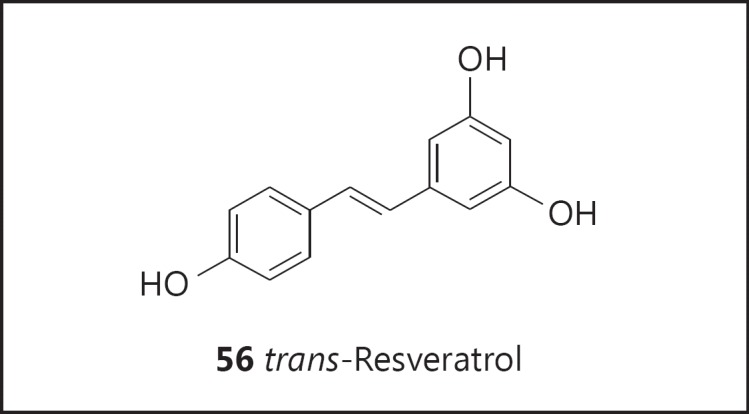
Throughout history, natural products have played a dominant role in the treatment of human ailments. For example, the legendary discovery of penicillin transformed global existence. Presently, natural products comprise a large portion of current-day pharmaceutical agents, most notably in the area of cancer therapy. Examples include Taxol, vinblastine, and camptothecin. These structurally unique agents function by novel mechanisms of action; isolation from natural sources is the only plausible method that could have led to their discovery. In addition to terrestrial plants as sources for starting materials, the marine environment (e.g., ecteinascidin 743, halichondrin B, and dolastatins), microbes (e.g., bleomycin, doxorubicin, and staurosporin), and slime molds (e.g., epothilone B) have yielded remarkable cancer chemotherapeutic agents. Irrespective of these advances, cancer remains a leading cause of death worldwide. Undoubtedly, the prevention of human cancer is highly preferable to treatment. Cancer chemoprevention, the use of vaccines or pharmaceutical agents to inhibit, retard, or reverse the process of carcinogenesis, is another important approach for easing this formidable public health burden. Similar to cancer chemotherapeutic agents, natural products play an important role in this field. There are many examples, including dietary phytochemicals such as sulforaphane and phenethyl isothiocyanate (cruciferous vegetables) and resveratrol (grapes and grape products). Overall, natural product research is a powerful approach for discovering biologically active compounds with unique structures and mechanisms of action. Given the unfathomable diversity of nature, it is reasonable to suggest that chemical leads can be generated that are capable of interacting with most or possibly all therapeutic targets.
© 2015 S. Karger AG, Basel.
Figures
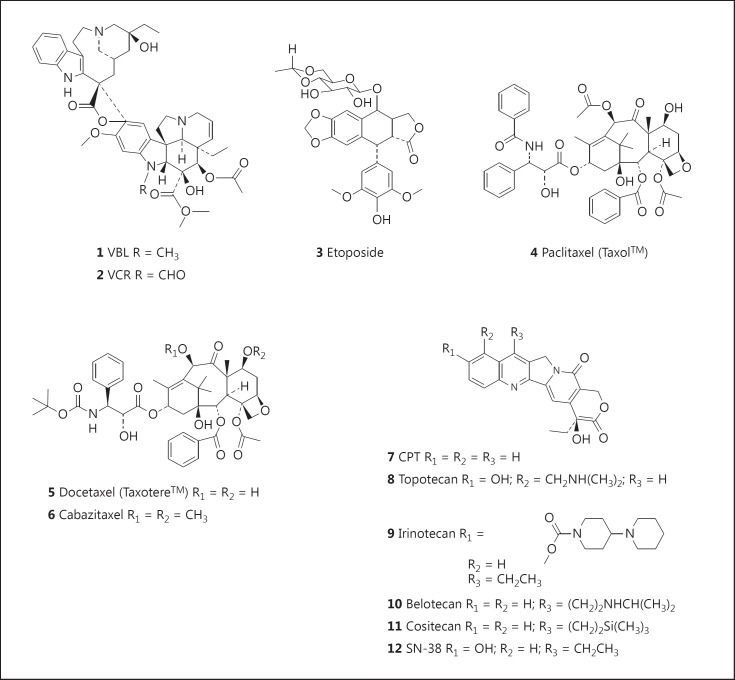
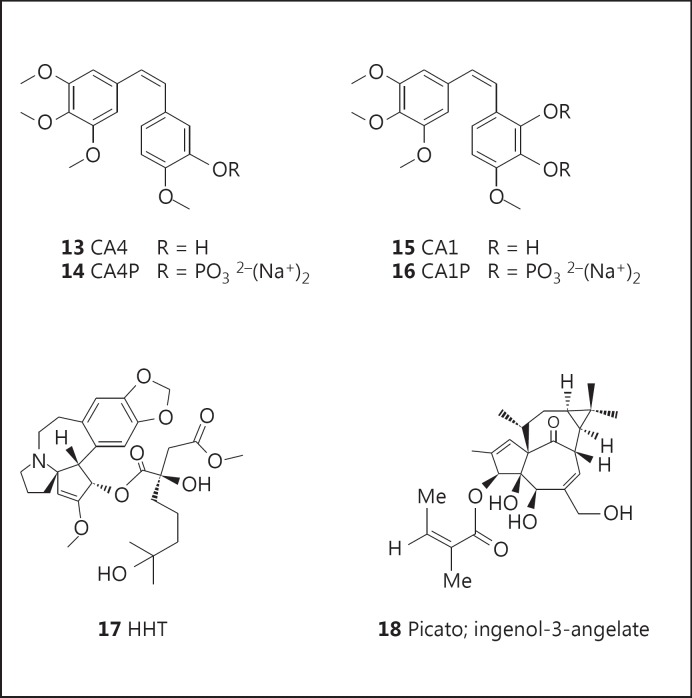
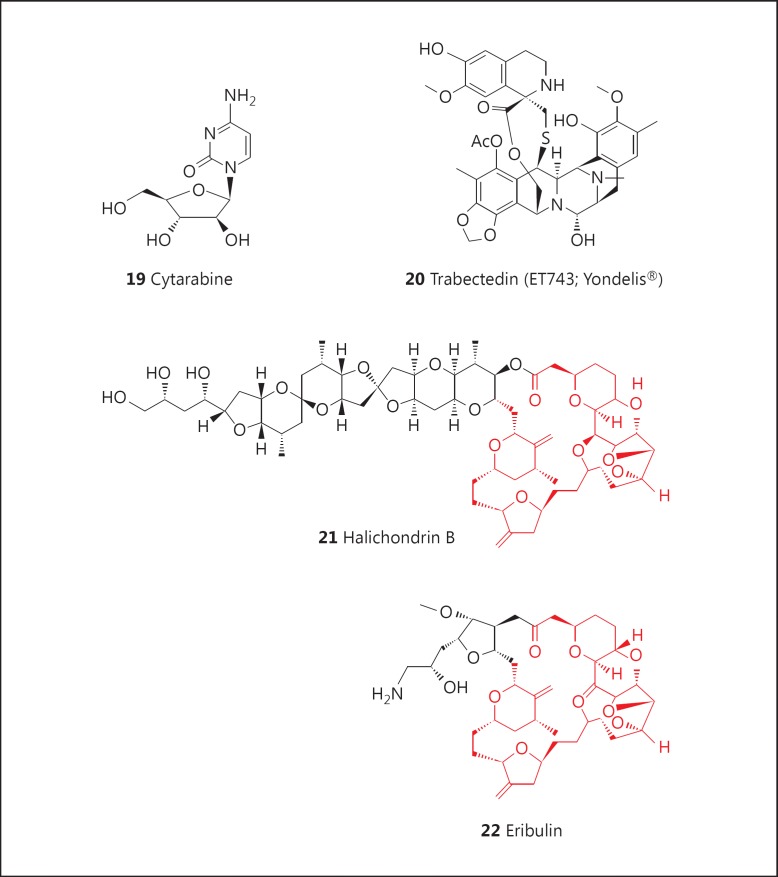
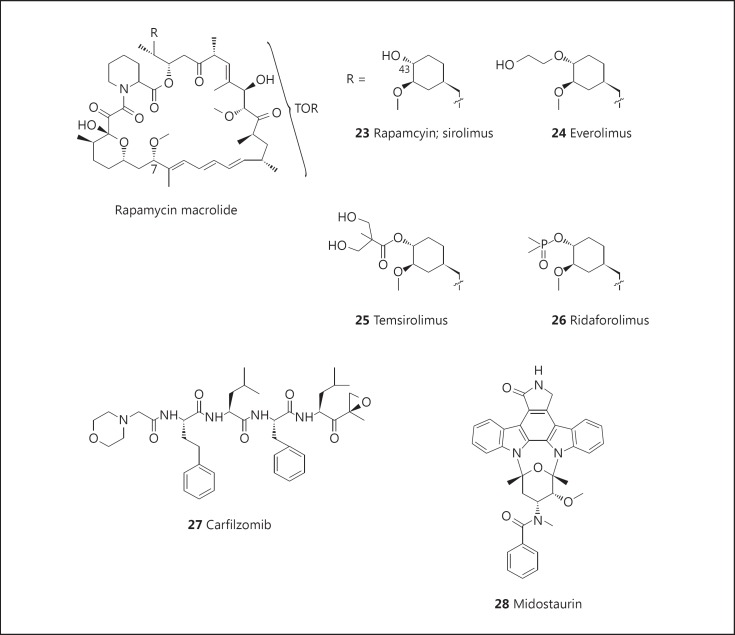
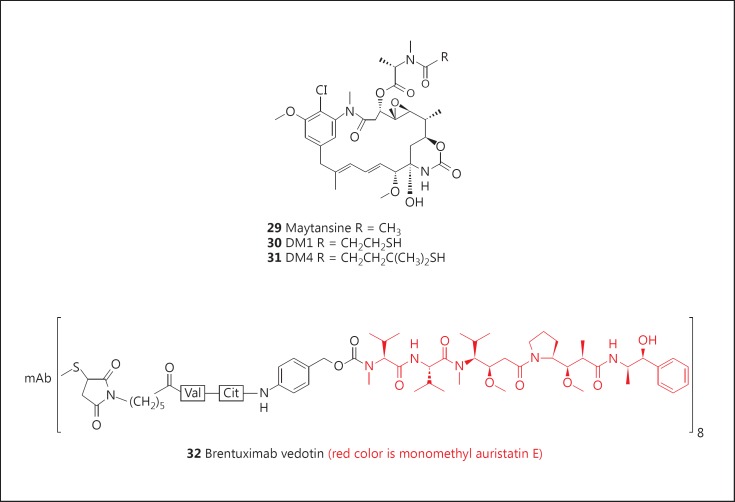
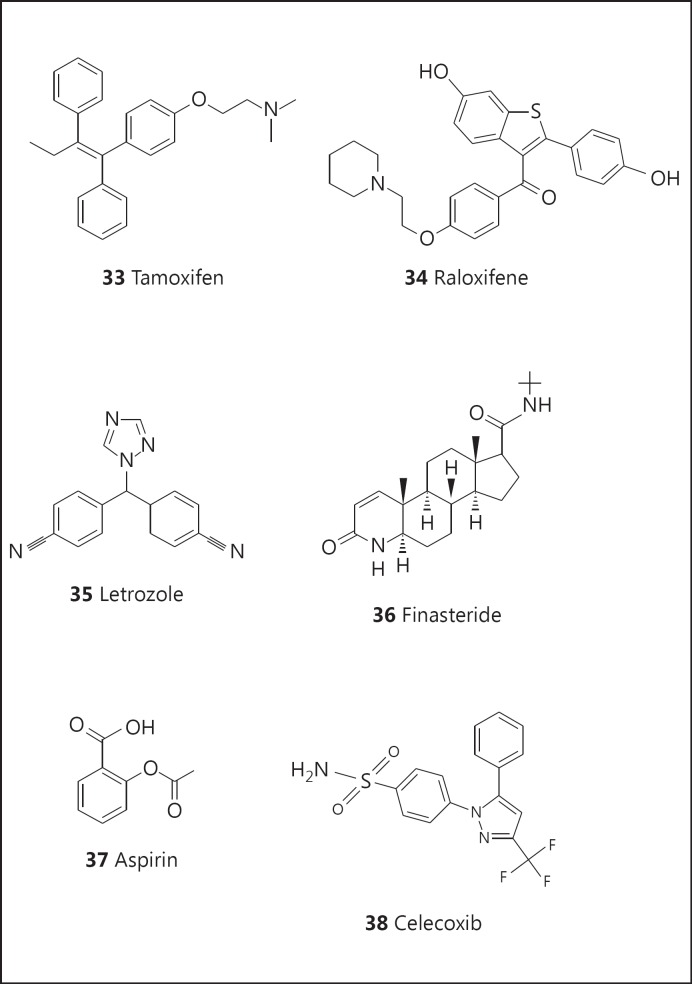
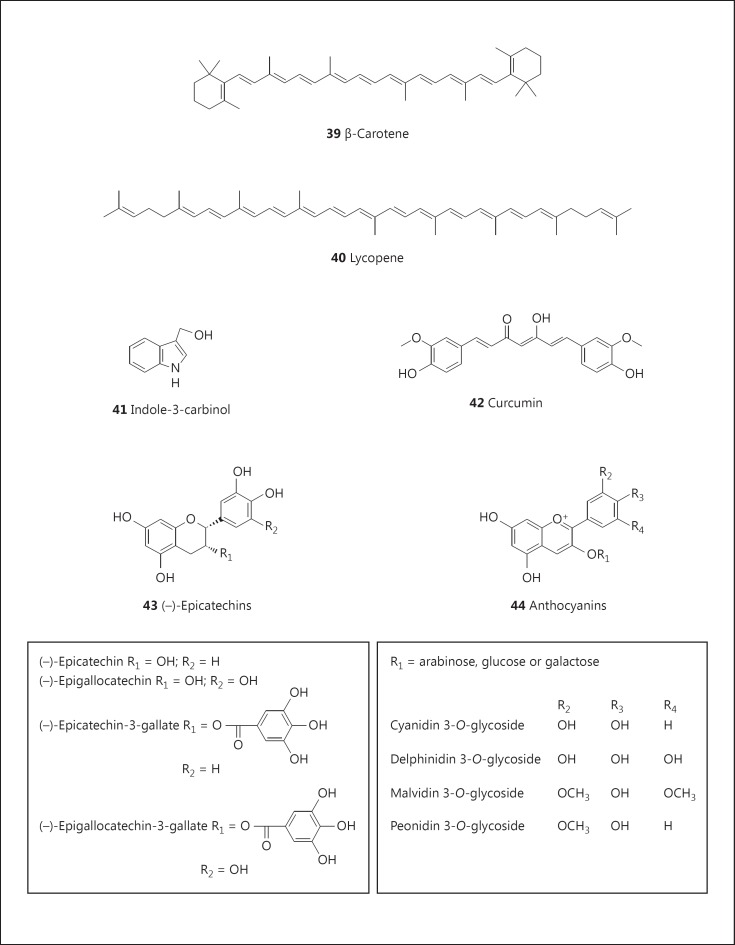
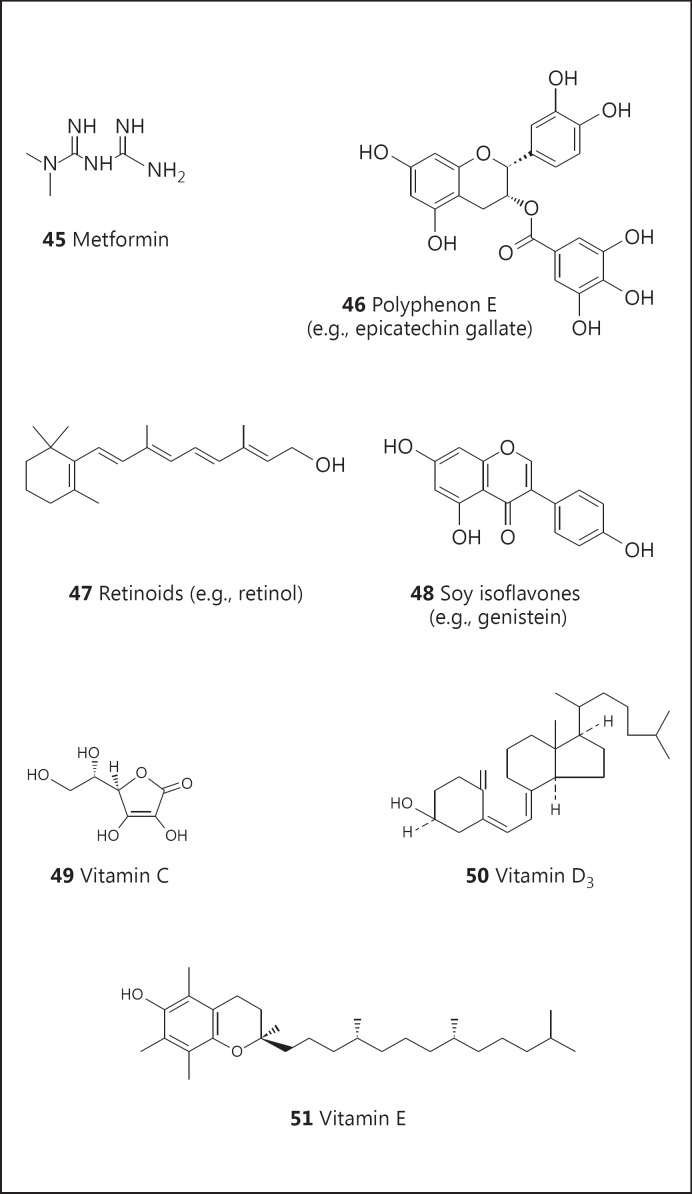
References
-
- National Cancer Institute Surveillance, Epidemiology, and End Results Program. SEER. http://seer.cancer.gov/statfacts/html/all.html (accessed April 30, 2015).
-
- Hong WK, Sporn MB. Recent advances in chemoprevention of cancer. Science. 1997;278:1073–1077. - PubMed
-
- Cragg GM, Newman DJ. Nature: a vital source of leads for anticancer drug development. Phytochem Rev. 2009;8:313–331.
-
- Cragg GM, Grothaus PG, Newman DJ. Impact of natural products on developing new anti-cancer agents. Chem Rev. 2009;109:3012–3043. - PubMed
Publication types
MeSH terms
Substances
LinkOut - more resources
Full Text Sources
Other Literature Sources