


Polyphenols from the extract and fraction of T. indica seeds protected HepG2 cells against oxidative stress
- PMID: 26683054
- PMCID: PMC4683930
- DOI: 10.1186/s12906-015-0963-2
Polyphenols from the extract and fraction of T. indica seeds protected HepG2 cells against oxidative stress
Abstract
Background: Tamarindus indica L. (T. indica) or locally known as "asam jawa" belongs to the family Leguminosae. T. indica seeds as by-products from the fruits were previously reported to contain high polyphenolic content. However, identification of their bioactive polyphenols using recent technologies is less well researched but nonetheless important. Hence, it was the aim of this study to provide further information on the polyphenolic content and antioxidant activities as well as to identify and quantify its bioactive polyphenols.
Methods: T. indica seeds were extracted with methanol and were then fractionated with different compositions of hexane, ethyl acetate and methanol. Polyphenolic contents were measured using Folin-Ciocalteu assay while antioxidant activities were measured using DPPH radical scavenging and ferric reducing (FRAP) activities. The cytotoxic activities of the crude extract and the active fraction were evaluated in HepG2 cells using MTT assay. The cells were then pre-treated with the IC20 concentrations and induced with H2O2 before measuring their cellular antioxidant activities including FRAP, DPPH, lipid peroxidation, ROS generation and antioxidant enzymes, SOD, GPx and CAT. Analyses of polyphenols in the crude extract and its active fraction were done using UHPLC and NMR.
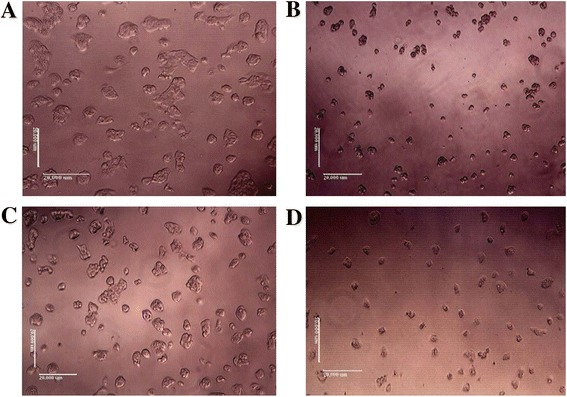
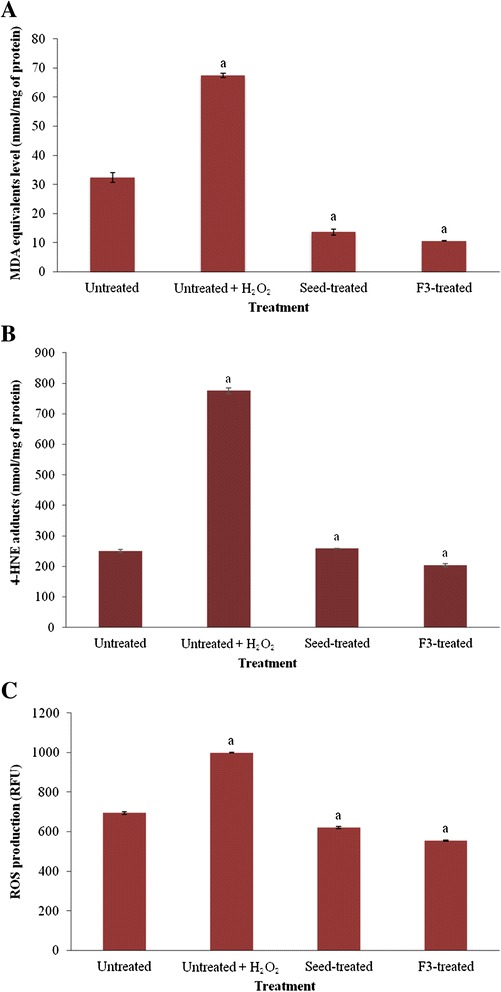
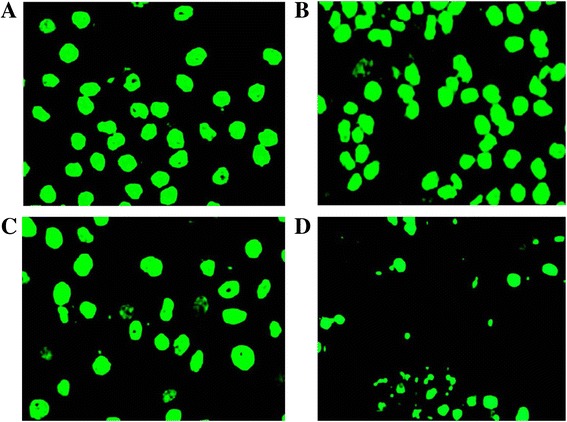
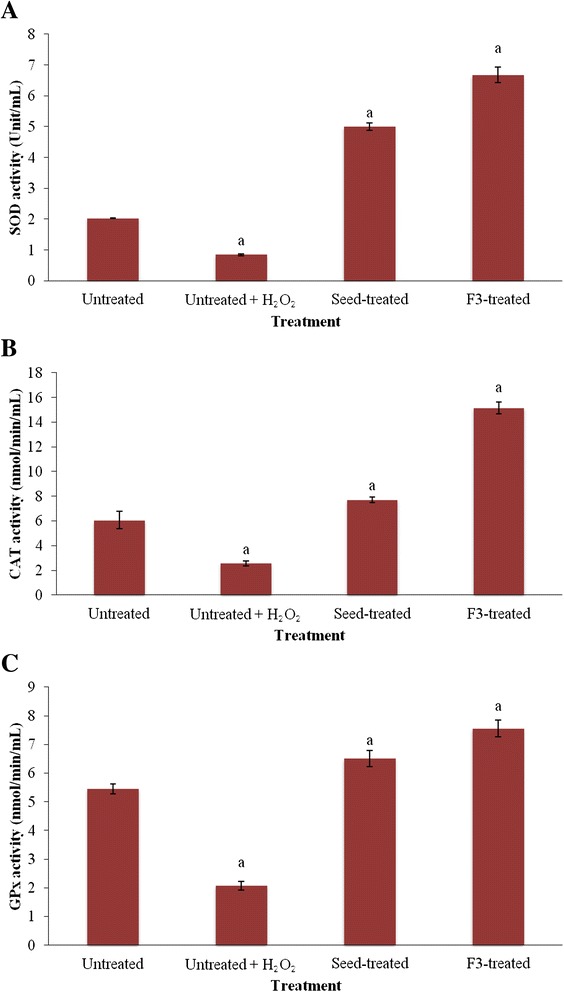
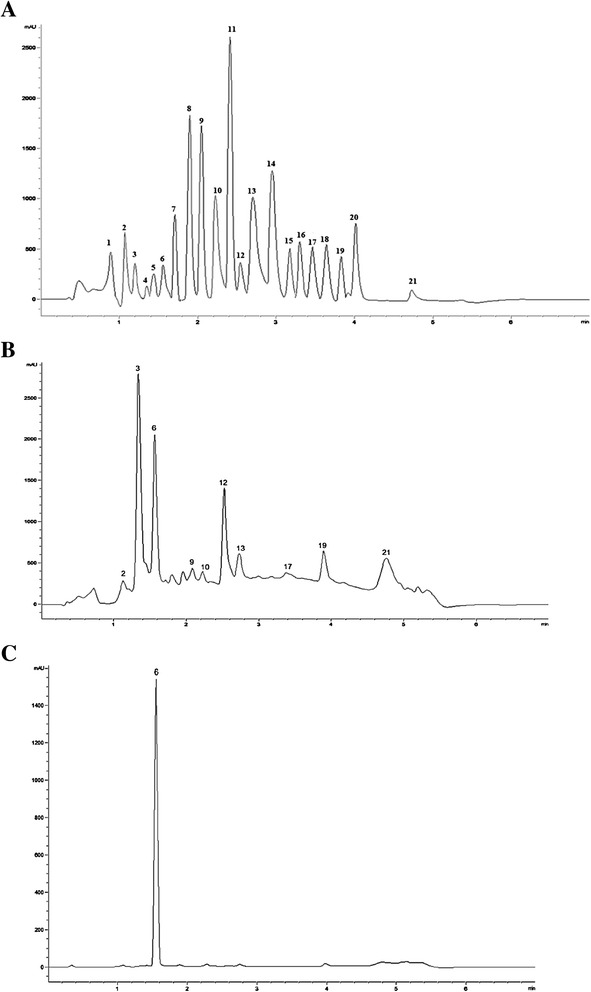
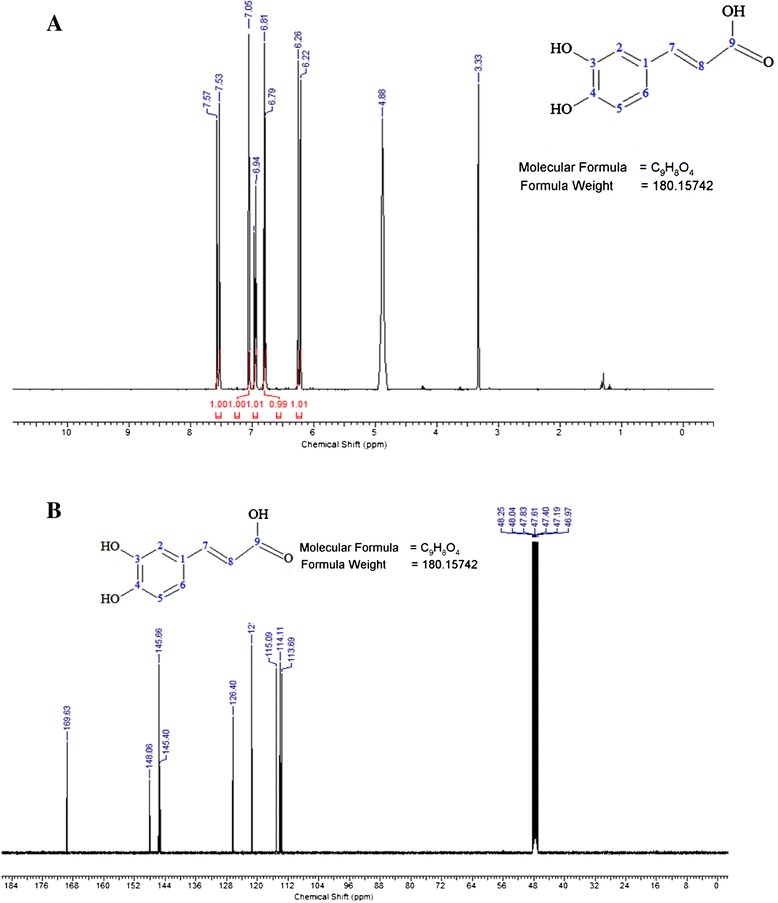
Results: Amongst the 7 isolated fractions, fraction F3 showed the highest polyphenolic content and antioxidant activities. When HepG2 cells were treated with fraction F3 or the crude extract, the former demonstrated higher antioxidant activities. F3 also showed stronger inhibition of lipid peroxidation and ROS generation, and enhanced activities of SOD, GPx and CAT of HepG2 cells following H2O2-induced oxidative damage. UHPLC analyses revealed the presence of catechin, procyanidin B2, caffeic acid, ferulic acid, chloramphenicol, myricetin, morin, quercetin, apigenin and kaempferol, in the crude seed extract of T. indica. UHPLC and NMR analyses identified the presence of caffeic acid in fraction F3. Our studies were the first to report caffeic acid as the active polyphenol isolated from T. indica seeds which likely contributed to the potent antioxidant defense system of HepG2 cells.
Conclusion: Results from this study indicate that caffeic acid together with other polyphenols in T. indica seeds can enhance the antioxidant activities of treated HepG2 cells which can provide protection against oxidative damage.
Figures
References
-
- Velioglu YS, Mazza G, Gao L, Oomah BD. Antioxidant activity and total phenolics in selected fruits, vegetables, and grain products. J Agric Food Chem. 1998;46(10):4113–4117. doi: 10.1021/jf9801973. - DOI
-
- Morton J. Tamarind. In: Morton JF, editor. Fruits of warm climates. Miami, USA: Florida Flair Books; 1987. pp. 115–121.
Publication types
MeSH terms
Substances
LinkOut - more resources
Full Text Sources
Other Literature Sources
Miscellaneous
