


Inner Ear Conductive Hearing Loss and Unilateral Pulsatile Tinnitus Associated with a Dural Arteriovenous Fistula: Case Based Review and Analysis of Relationship between Intracranial Vascular Abnormalities and Inner Ear Fluids
- PMID: 26693371
- PMCID: PMC4674581
- DOI: 10.1155/2015/817313
Inner Ear Conductive Hearing Loss and Unilateral Pulsatile Tinnitus Associated with a Dural Arteriovenous Fistula: Case Based Review and Analysis of Relationship between Intracranial Vascular Abnormalities and Inner Ear Fluids
Abstract
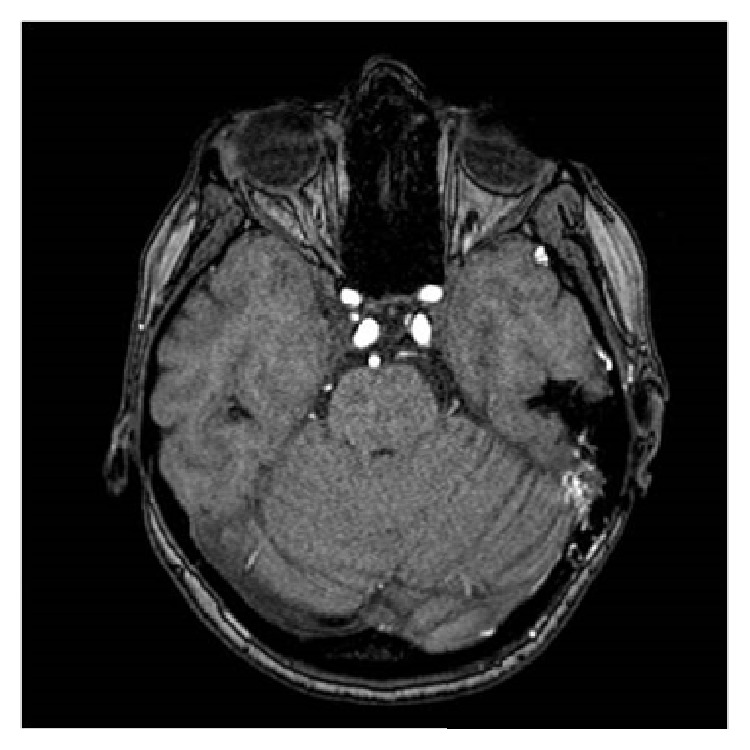
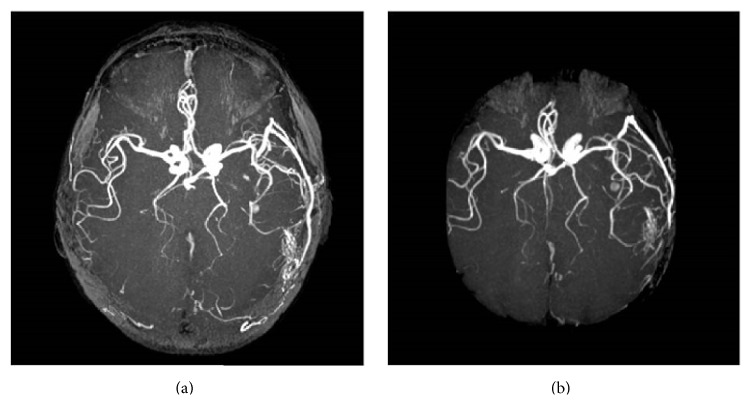
While pulsatile tinnitus (PT) and dural arteriovenous fistula (DAVF) are not rarely associated, the finding of a conductive hearing loss (CHL) in this clinical picture is unusual. Starting from a case of CHL and PT, diagnosed to be due to a DAVF, we analyzed relationship between intracranial vascular abnormalities and inner ear fluids. DAVF was treated with endovascular embolization. Following this, there was a dramatic recovery of PT and of CHL, confirming their cause-effect link with DAVF. We critically evaluated the papers reporting this association. This is the first case of CHL associated with PT and DAVF. We describe the most significant experiences and theories reported in literature, with a personal analysis about the possible relationship between vascular intracranial system and labyrinthine fluids. In conclusion, we believe that this association may be a challenge for otolaryngologists. So we suggest to consider the possibility of a DAVF or other AVMs when PT is associated with CHL, without alterations of tympanic membrane and middle ear tests.
Figures
References
LinkOut - more resources
Full Text Sources
Other Literature Sources
