


Mammalian target of rapamycin controls glucose consumption and redox balance in human Sertoli cells
- PMID: 26698679
- PMCID: PMC4845725
- DOI: 10.1016/j.fertnstert.2015.11.032
Mammalian target of rapamycin controls glucose consumption and redox balance in human Sertoli cells
Abstract
Objective: To study the role of mammalian target of rapamycin (mTOR) in the regulation of human Sertoli cell (hSC) metabolism, mitochondrial activity, and oxidative stress.
Design: Experimental study.
Setting: University research center and private assisted reproductive technology centers.
Patient(s): Six men with anejaculation (psychological, vascular, neurologic) and conserved spermatogenesis.
Intervention(s): Testicular biopsies were used from patients under treatment for recovery of male gametes. Primary hSCs cultures were established from each biopsy and divided into a control group and one treated with rapamycin, the inhibitor of mTOR, for 24 hours.
Main outcome measure(s): Cytotoxicity of hSCs to rapamycin was evaluated by sulforhodamine B assay. The glycolytic profile of hSCs was assessed by proton nuclear magnetic resonance and by studying protein expression of key glycolysis-related transporters and enzymes. Expression of mitochondrial complexes and citrate synthase activity were determined. Protein carbonylation, nitration, lipid peroxidation, and sulfhydryl protein group contents were quantified. The mTOR signaling pathway was studied.
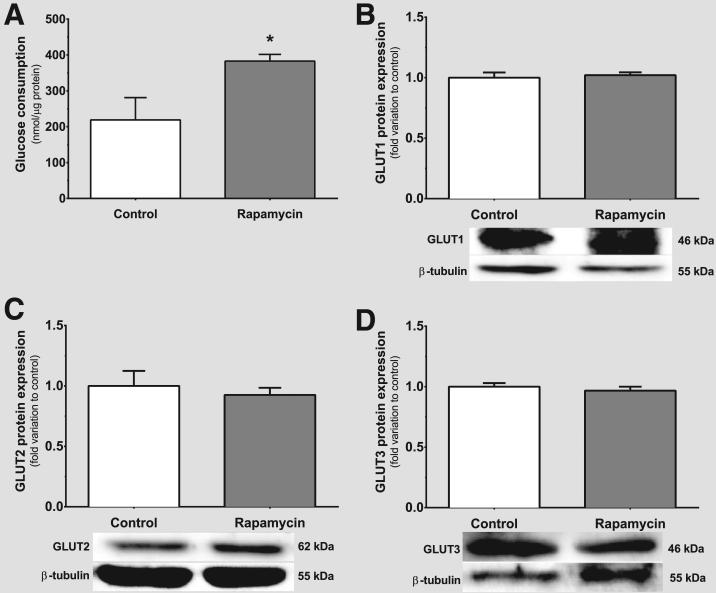
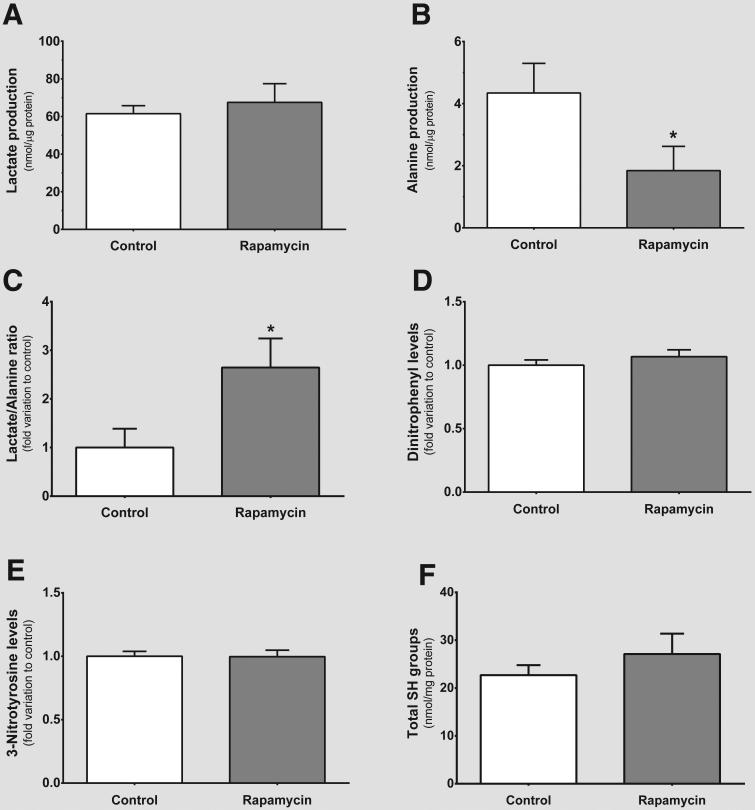
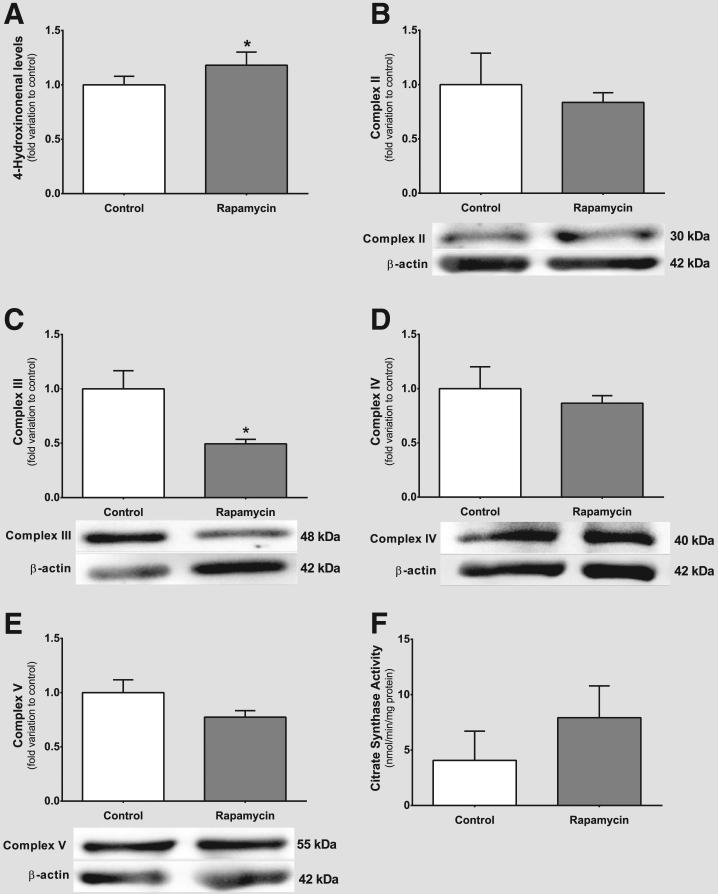
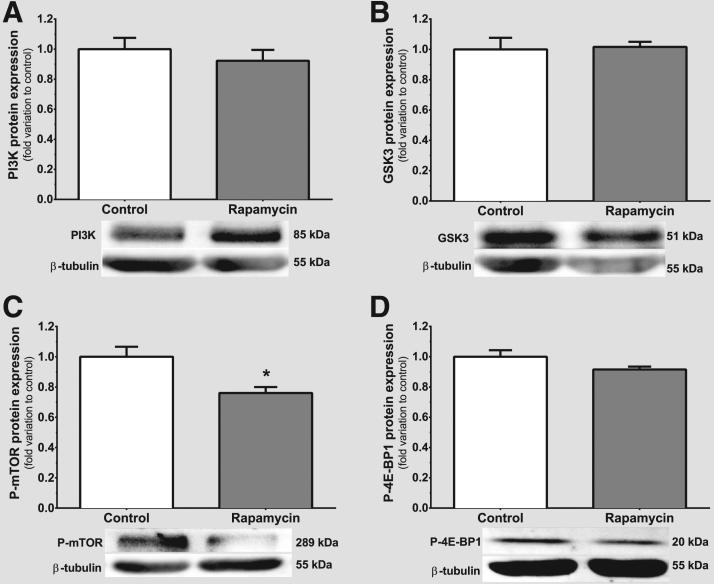
Result(s): Rapamycin increased glucose consumption by hSCs, maintaining lactate production. Alanine production by rapamycin-exposed hSCs was affected, resulting in an unbalanced intracellular redox state. Rapamycin-exposed hSCs had decreased expression of mitochondrial complex III and increased lipid peroxidation, whereas other oxidative stress markers were unaltered. Treatment of hSCs with rapamycin down-regulated phospho-mTOR (Ser-2448) levels, illustrating an effective partial inhibition of mTORC1. Protein levels of downstream signaling molecule p-4E-BP1 were not altered, suggesting that during treatment it became rephosphorylated.
Conclusion(s): We show that mTOR regulates the nutritional support of spermatogenesis by hSCs and redox balance in these cells.
Keywords: Sertoli cells; mTOR; rapamycin; spermatogenesis; testis.
Copyright © 2016 American Society for Reproductive Medicine. Published by Elsevier Inc. All rights reserved.
Figures
References
-
- Mruk DD, Cheng CY. Sertoli-Sertoli and Sertoli-germ cell interactions and their significance in germ cell movement in the seminiferous epithelium during spermatogenesis. Endocrinol Rev. 2004;25:747–806. - PubMed
-
- Rato L, Socorro S, Cavaco JE, Oliveira PF. Tubular fluid secretion in the seminiferous epithelium: ion transporters and aquaporins in Sertoli cells. J Membr Biol. 2010;236:215–24. - PubMed
-
- Griswold MD. The central role of Sertoli cells in spermatogenesis. Semin Cell Dev Biol. 1998;9:411–6. - PubMed
Publication types
MeSH terms
Substances
Grants and funding
LinkOut - more resources
Full Text Sources
Other Literature Sources
Molecular Biology Databases
Miscellaneous
